Oman’s Geological Heritage – Ken Glennie (Editor).
 This is a book that is well worth reading; for anyone who has wondered how some of the magnificent rock formations found in Oman have been formed.
It has a wealth of pictures, diagrams and descriptions of Oman’s geology, from remnants of the ice age, fossils on the top of Jebel Shams to signs of a far wetter period in Oman’s history, which can be seen from rock erosion.
Meteorites from Mars, the Geodes of Dhofar, one of the largest caves in the world not to mention the abundant mineral wealth found in the country.
Update: I notice this is getting rather hard to find – for those here in Muscat, book shops still have copies.
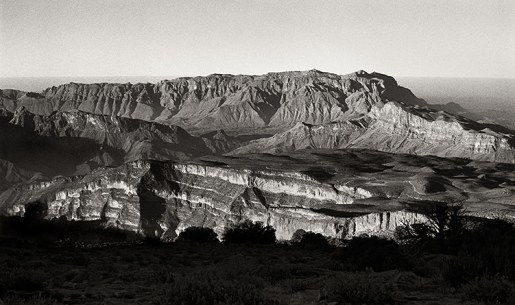
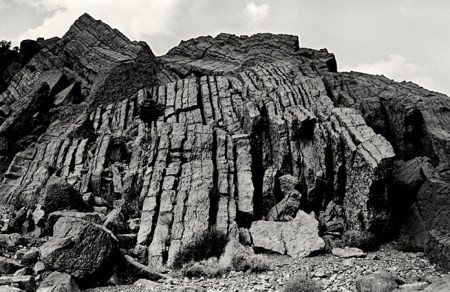 The Musandam.
See this link and this one as well.

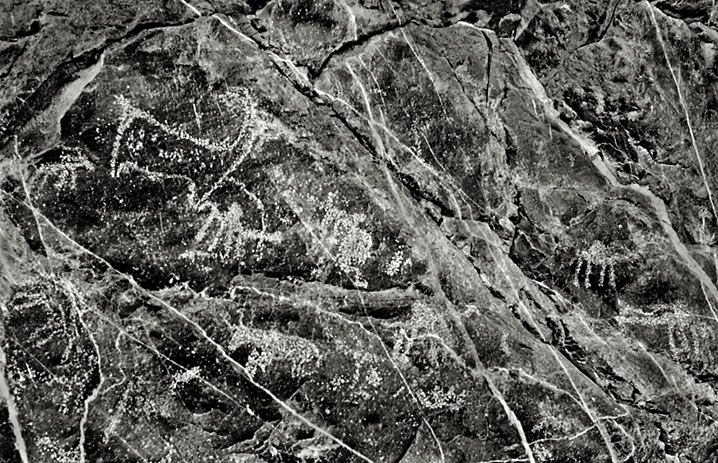
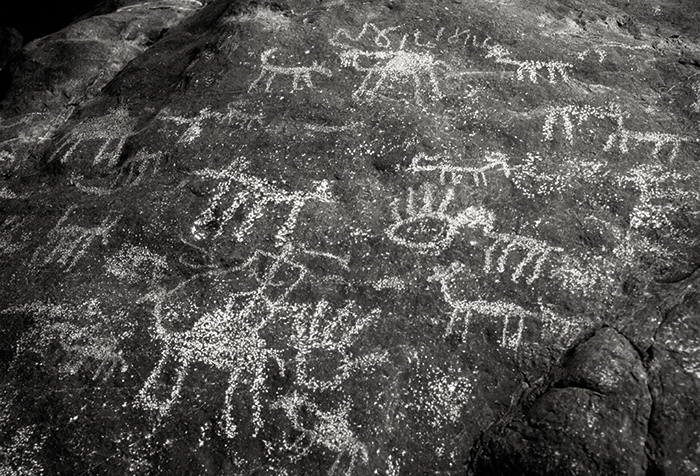 The left hand representation has been around since the start of rock art, but in this case probably represents a connection with the hunt or a gesture that expresses a desire to dominate and appropriate the animal; the hand is also thought to be a sign of domestication.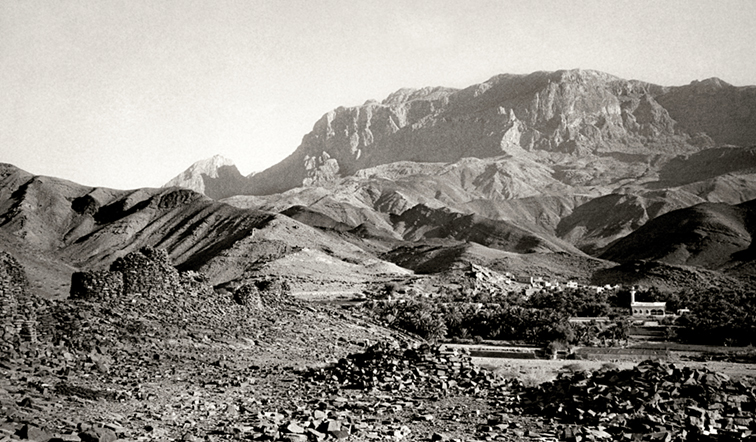




 David A Lockwood