Micro-Nikkor 55mm f/2.8 AI-s lens.

Kodak – Tri-X 400 at ISO 320.

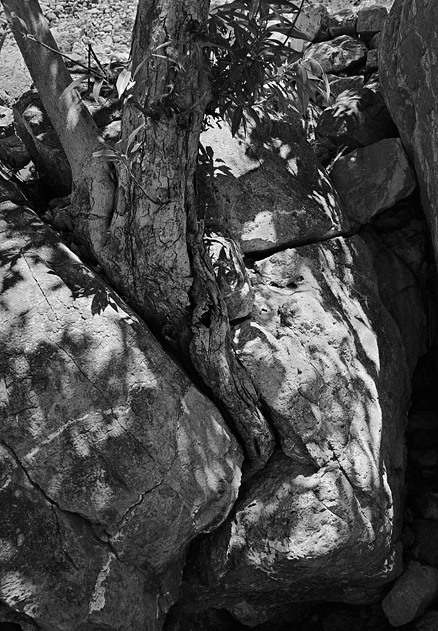
This was taken using my Micro-Nikkor 55mm f/2.8 AI-s lens on the F2SB camera.

A lens that I think can still be found ‘new’ but there are many excellent used items on the market, it is worth looking out for one in fine condition.
Takes 52mm filters, focuses down to 9″ or so at which point the image has a magnification of 1:2 and can be increased to 1:1 with the use of a PK13 extension ring; one of Nikon’s sharpest lenses.

An excellent optic for both general photography and close-up work; distortion correction remains virtually unchanged over the entire focusing range,
It seems to have a reputation for oil contamination of the aperture leaves, I know several people who have used one of these lenses and none has had this problem. But it may be worth using a bit of caution if buying used.
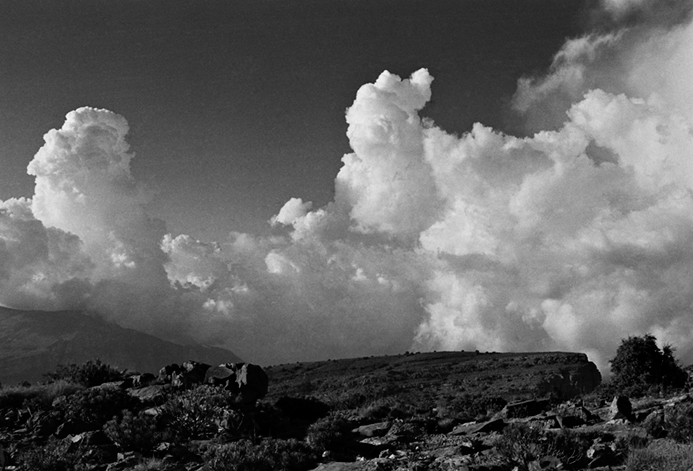
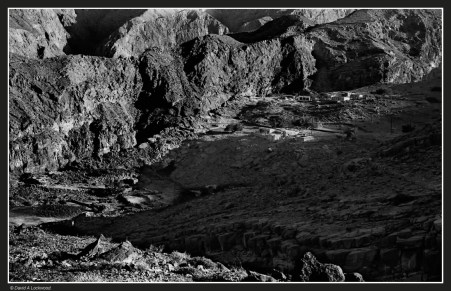
Jebel Misht.

Jebel Misht (out of the mist).

Jebel Misht rises to over 2,000m, it is one of Oman’s ‘exotics’; an outcrop of rock that is unrelated to the rocks surrounding it and is probably the country’s finest rock climbing venue. First climbed by a French team led by Raymond Renaud in 1979, this was the first major rock route in Oman and still attracts many climbers trying to forge new routes.

See these links from:

climbing-notes-Lisovskis

www.climbing.com

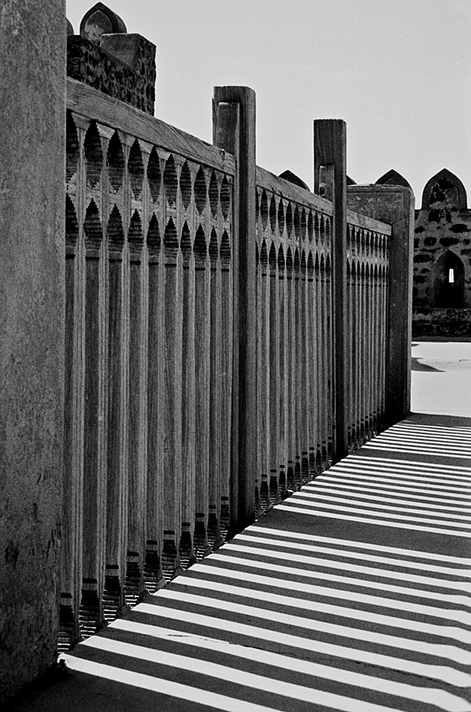
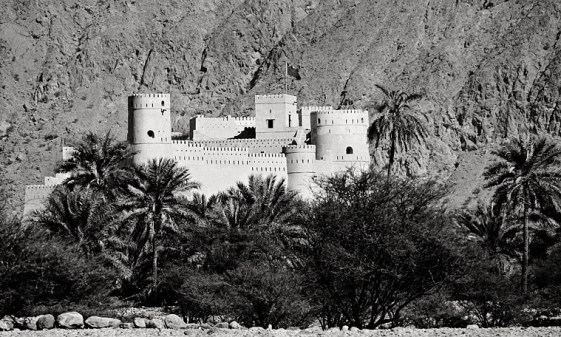
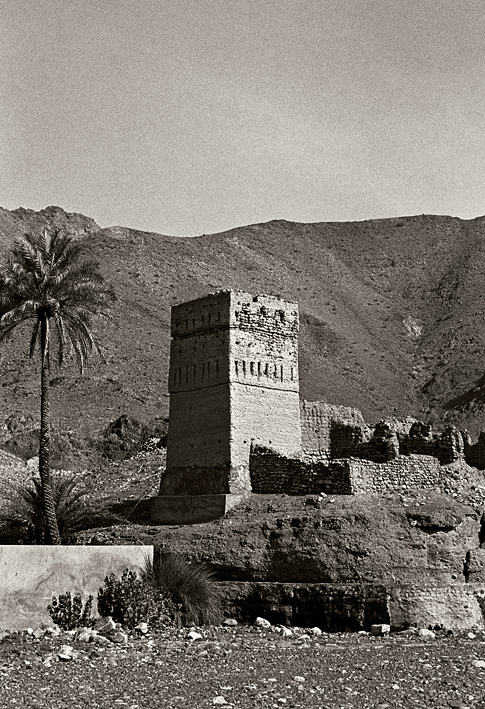
Nakhal Fort.

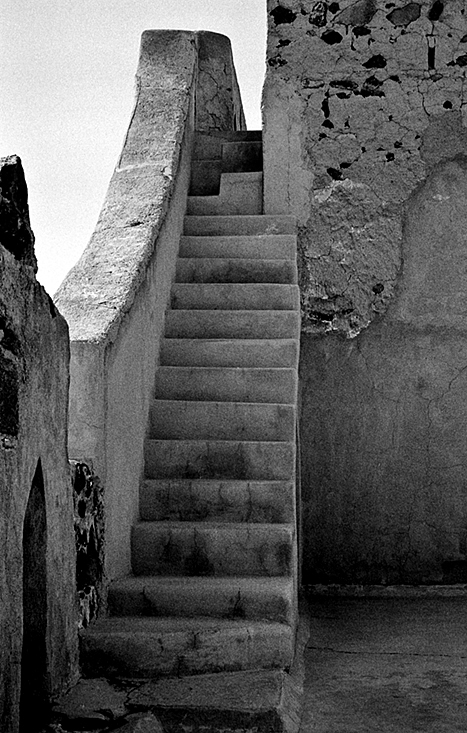
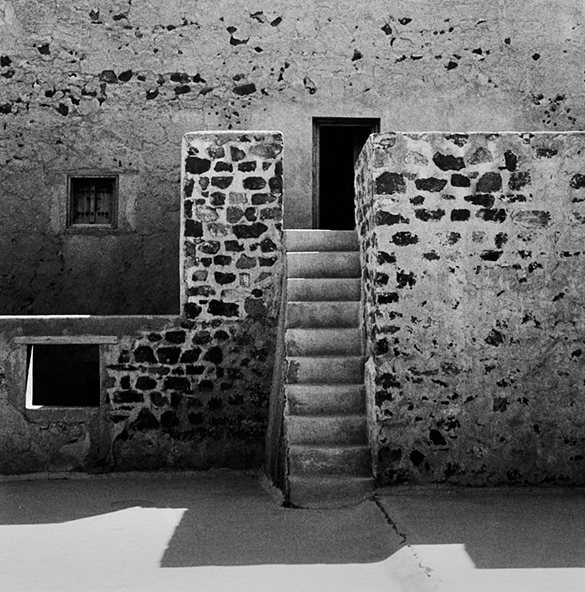
Nakhal Fort in the Batinah region has pre-Islamic origins, with major contributions by both the Ya’aruba and Al Bu Said dynasties.

In 1995 the fort was repaired; but up until then it was described as the ‘Black’ fort and that is what I saw on my first visit back in 1986. Even in its dilapidated state it was still an impressive building with dark grey almost black walls. Now it is a rather nice honey colour and is somehow  less ominous as it looks down on the surrounding area.

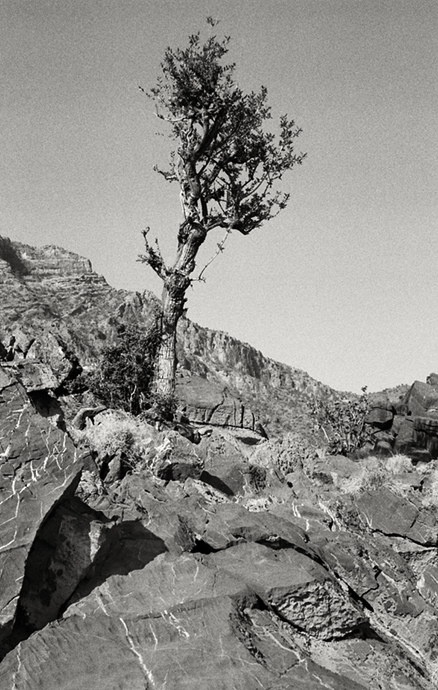
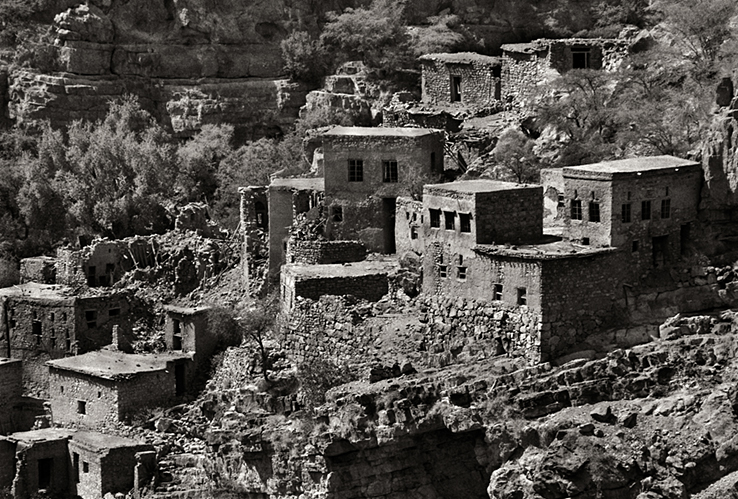
Jebel Akhdar.

Jebel Akhdar – الجبل الأخضر

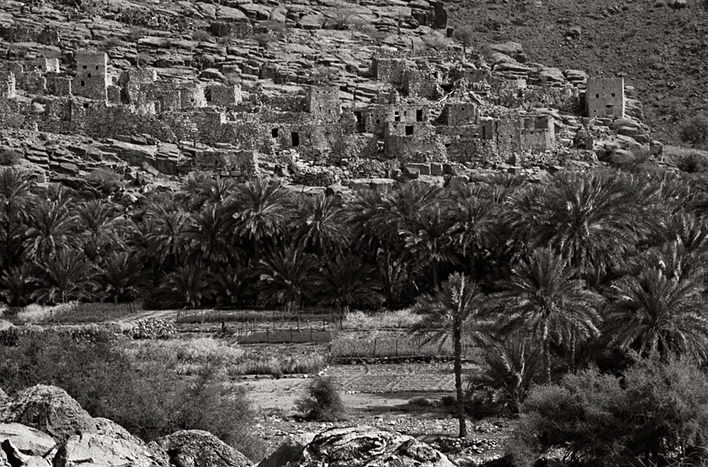
Famous for its rose-water; taken from the petals of a small rose grown, along with pomegranate, apricot, peach and walnut.

A wonderful retreat during the summer months: when the temperature at sea level can get unbearably hot.

There are a number of very old abandoned villages, left unoccupied when the local population moved for the trappings of modernity.

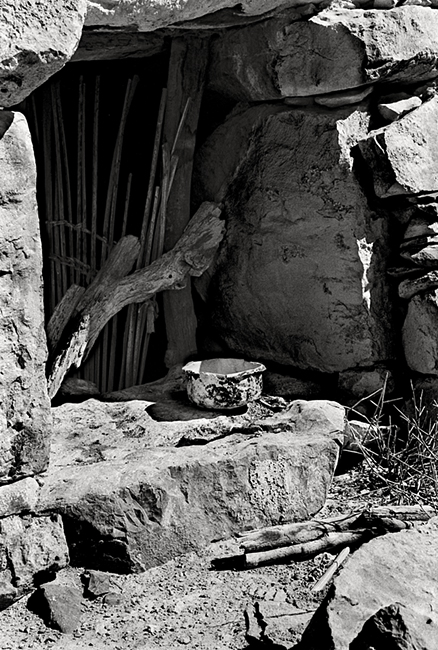
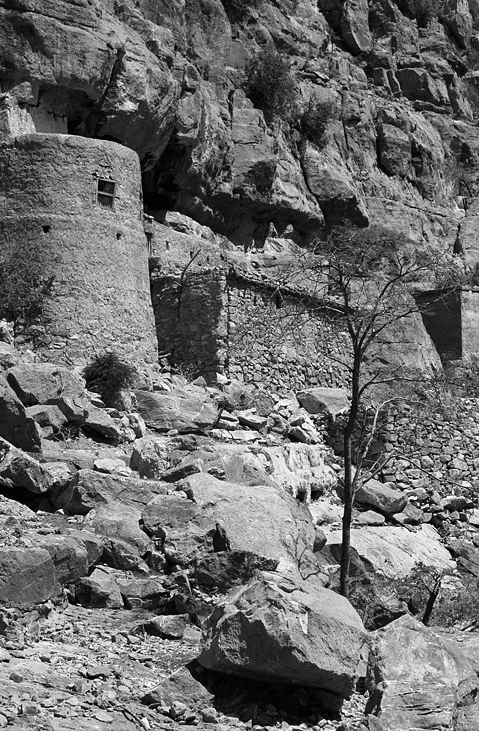
“bait al qufl” Jebel Harim.

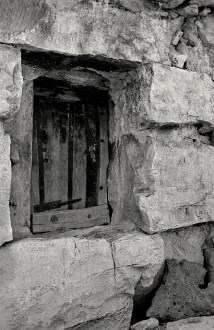
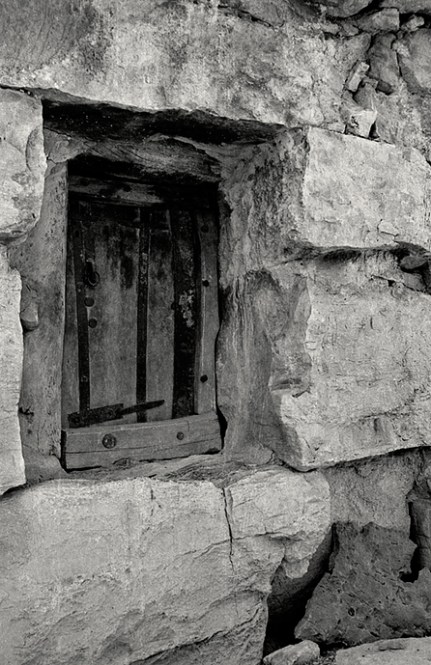
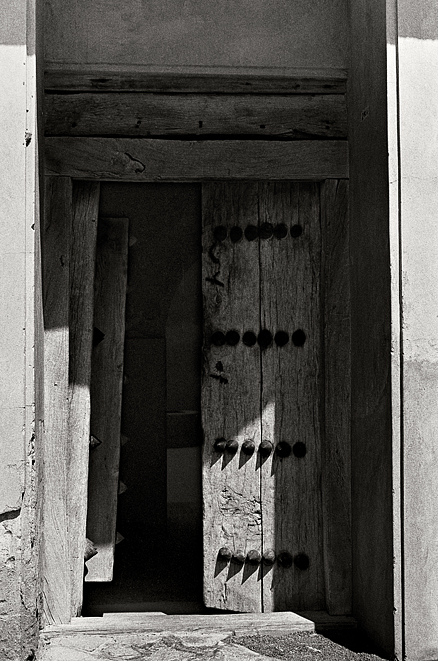
The photograph below shows the door of a building called a “bait al qufl” (house of locks) built for protection from the elements. The floor, a metre or so below ground, has raised stone slabs for eating, sleeping and storage. The recessed door has a double locking system and opens inwards, one does not get in without being asked!

When I first came across one of these while trekking on Jebel Harim; the door was not locked and the place seemed abandoned, so what a shock I had when pushing the door open and stepping from bright sunshine into the dark interior – I fell in! Luckily my camera was on a tripod and not in my hands.