

Category: Black & White.
Tower Tombs in Oman.

Rock Art of Oman.

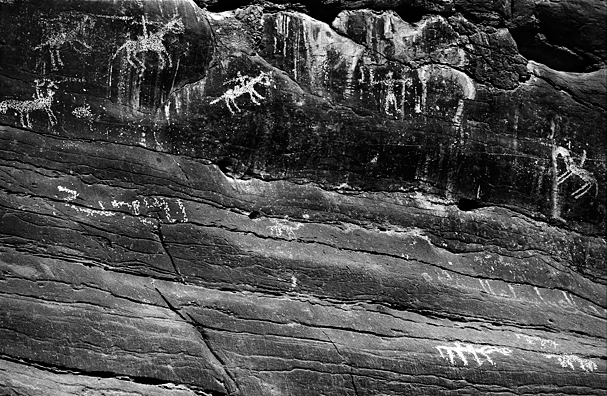
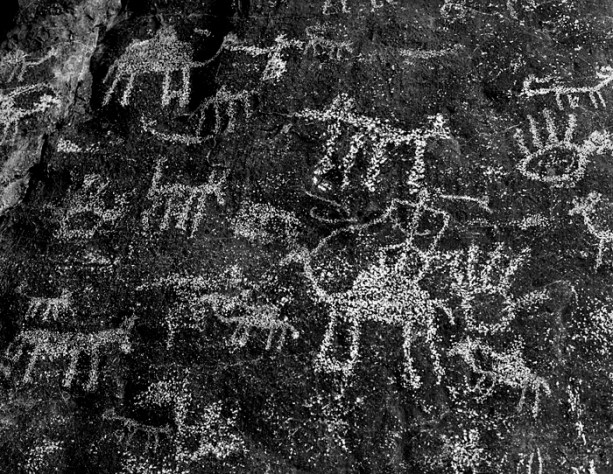
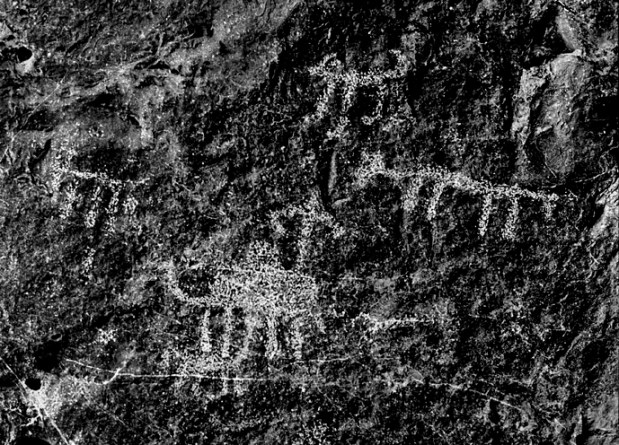
There are numerous rock art sites found here in Oman, but it would seem that its cultural significance is lost on most of the indigenous population.
A search of the internet finds very little on the subject and The Journal of Oman studies has only the odd reference.
It can be rather difficult dating it; but given the subject matter, I would think using examples found in such places as Saudi Arabia and other areas of the Middle East; dating should not be outside the bounds of possibility.
Another reason is that it can be rather hard finding it; given that most of the really old examples are in places that are well off the beaten track. This may be a good thing though, because I have found some sites that have had ‘graffiti’ added (The only description I can come up with when I see ‘Kilroy’ was here or at least the Arabic/tourist equivalent) to pictograms that are maybe hundreds of years old.
Bronica S2a camera.
The last few images were taken with my Bronica S2a 6×6 focal plane shutter SLR and for those who are not familiar with this medium format camera; have a look at this link.
http://www.camerapedia.org/wiki/Bronica_
The camera was made around 1969 and has a rather quirky Art Deco style; it also takes a rather nice range of early Nikon lenses.
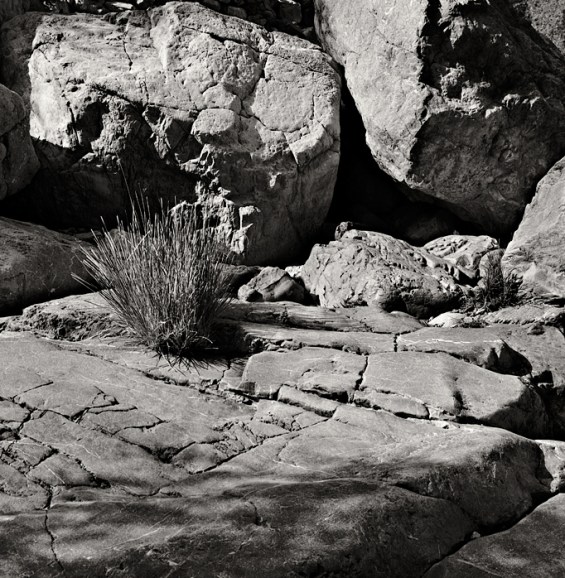
Grave Yard – near Jebel Harim Khasab.
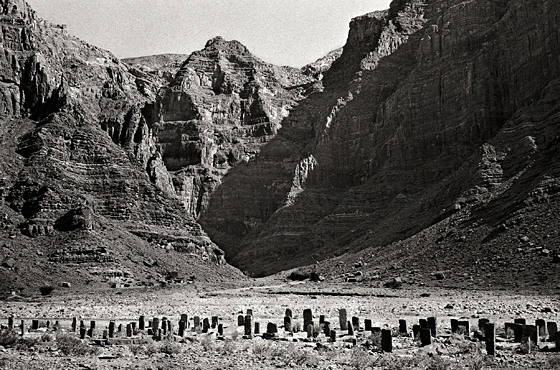
Grave stone – near Jebel Harim Khasab.

Sand swirls – Brown toned.
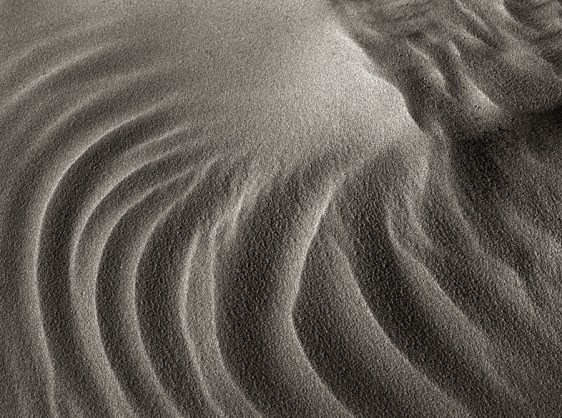 The same but not toned.

Plant & twisted root.

Old door in abandoned village.
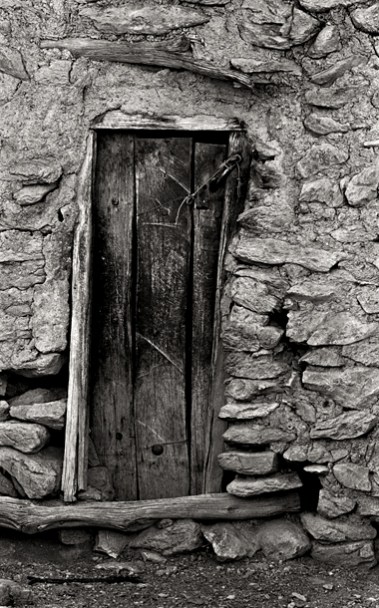
Wadi Bani Habib.
 A door at Wadi Bani Habib where there are two deserted villages (Al Bilad and Al Sab).
Tree & Tomb.

Clouds.
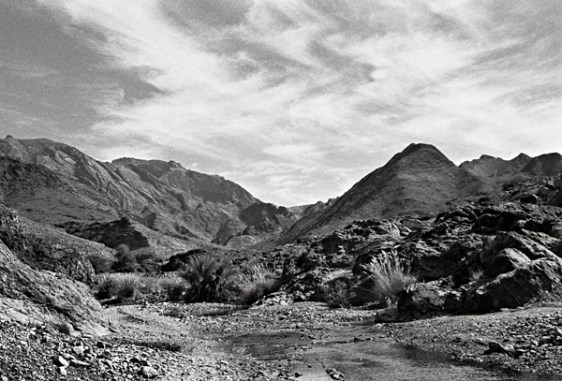
Sun on Rushes.
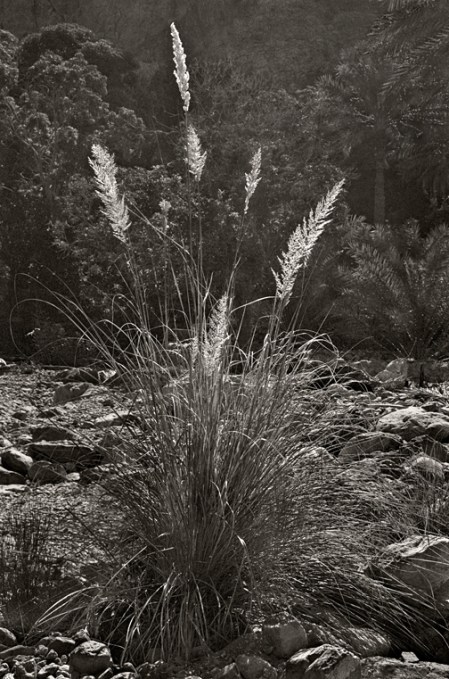
Jebel Shams in November.

The end of a late evening storm Jebel Shams.
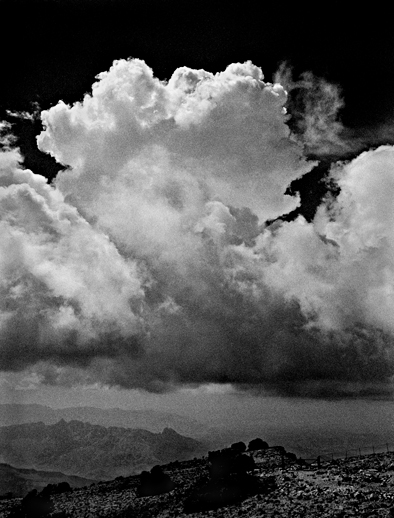 End of evening storm Jebel Shams.
Jebel Shams.

Wadi Bani Habib tree.
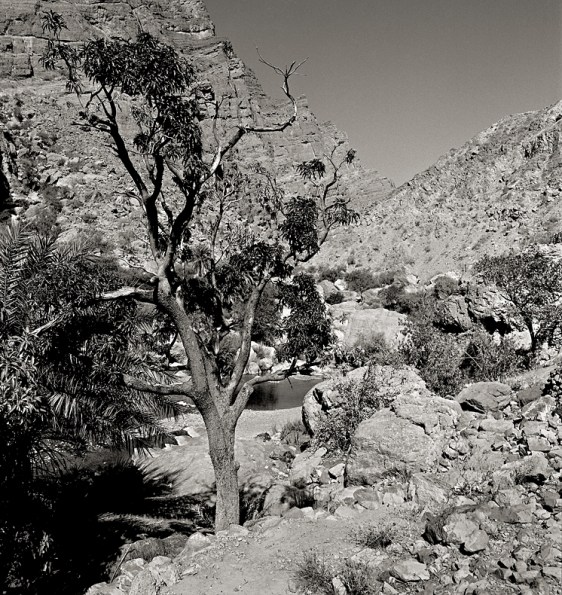
Never enough time….

Back in Oman after a month in UK – weather was typical! rain and cold days……
On holiday for a month….
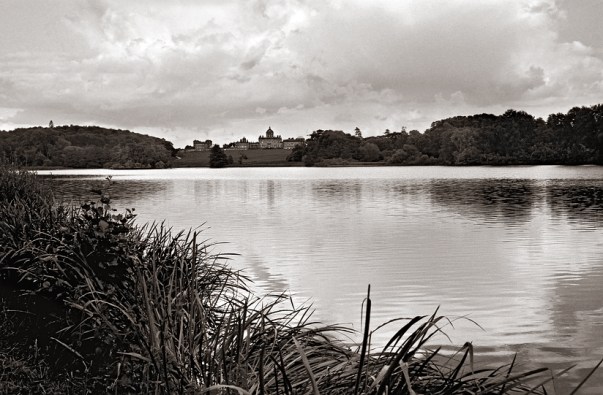 A very short walk from this spot.
Abandoned fishing boat – Masirah.
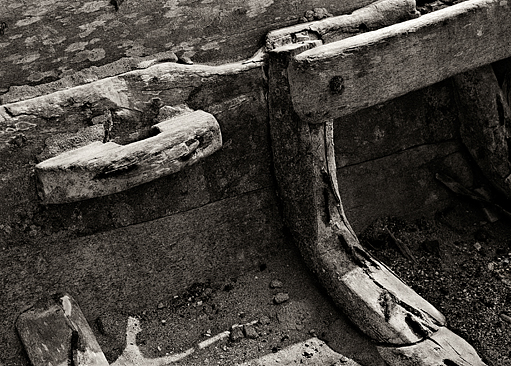 Since the advent of fibreglass, there are a lot of these old abandoned canoe like fishing boats along the beaches of Masirah.
Beehive tomb near the village of Al Ayn.
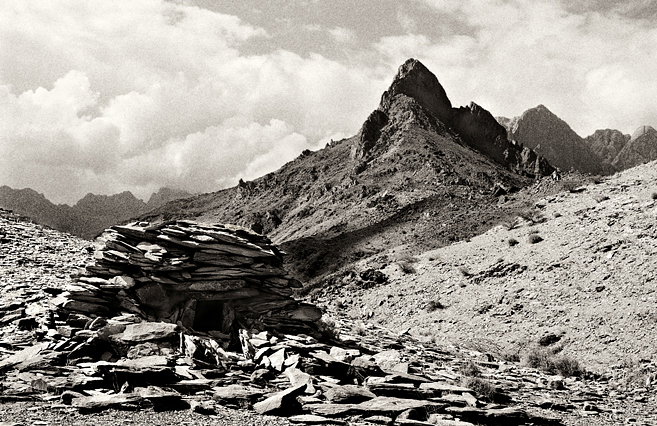
Wadi Tayeen in the Sharqiya region of Oman.
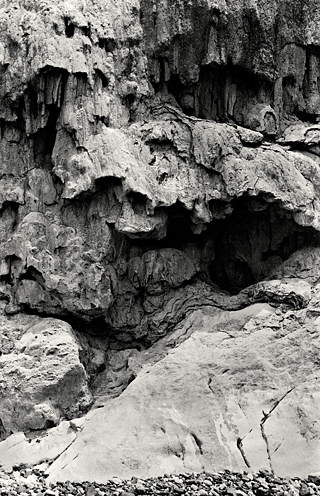
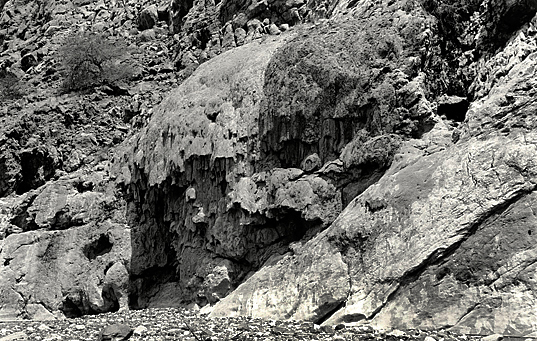 Unusual rock formations in Wadi Tayeen.
Masirah Island.

Masirah (مصيرة) is an Indian Ocean island off the east coast of Oman which is 95 km long and approximately 12 to 14 km wide. I know because I ran it as part of a ten man relay team on the 27th April 1990. I think this was the first time anyone was mad enough to do it! We followed a track that ran very close to the sea for most of the route, making the whole run more than 160kms……
The rugged terrain of the island and surrounding coastline has led to the appearance of many wrecks.
There is a quite famous shell called “Acteon Eloiseae” which is found on one beach area of the island only – a place called Sur Masirah which is approximately half way down the west side .
It was first identified by Dr Bosch and his wife Eloise; unfortunately it has become rather a desired shell by visitors, some of whom are not particular about conservancy.
Four species of turtle use Masirah’s beaches for nesting, with the loggerhead turtle population being the most important of these, and probably the most important nesting area in the entire world.
The birdlife of Masirah is mainly made up of species from the Arabian Peninsula, but it is also a haven for some migratory species. Located at the crossroads of some important migration routes, Masirah can attract birds from India, Pakistan, Africa and wintering birds from as far north as Siberia.
Archaeological discoveries on the island indicate habitation going back at least four thousand years. Areas for the production of copper in the prehistoric period have been found; with sites dated to the second millennium, first millennium and probably the Late Iron Age.
Shell middens and flint artefacts used for scraping the shells can be found at a number of sites.
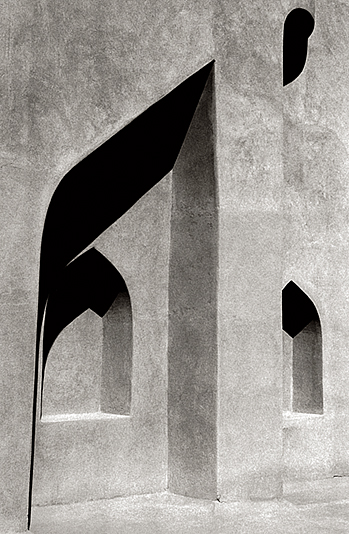
Arches.

Masirah Island.
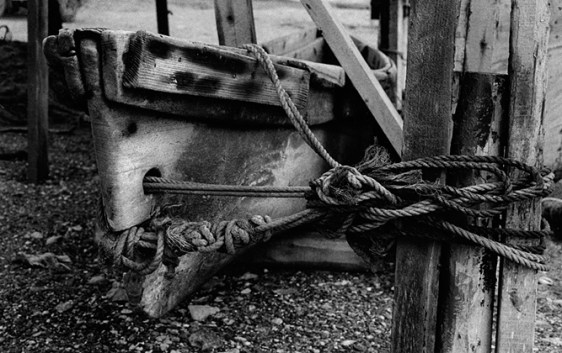 Old-boat—Masirah.
 David A Lockwood