

Category: Black & White.
Rock Art.
 Note the depiction of very large hands & feet.
 Some sort of battle ?
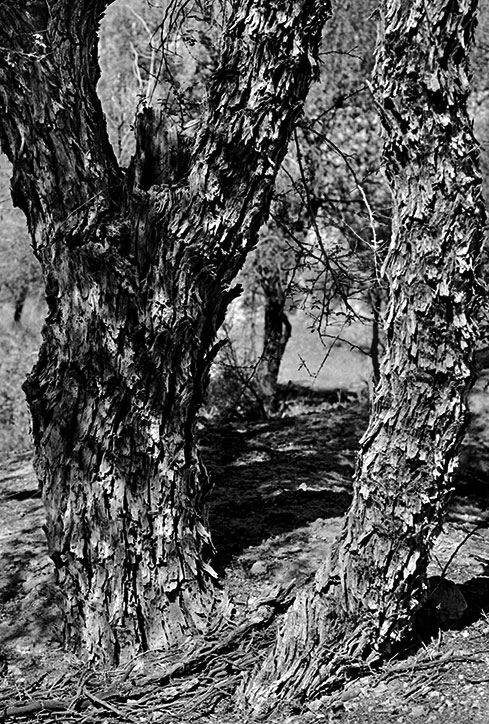
Tree Study.
Rock Art near Ghamar.
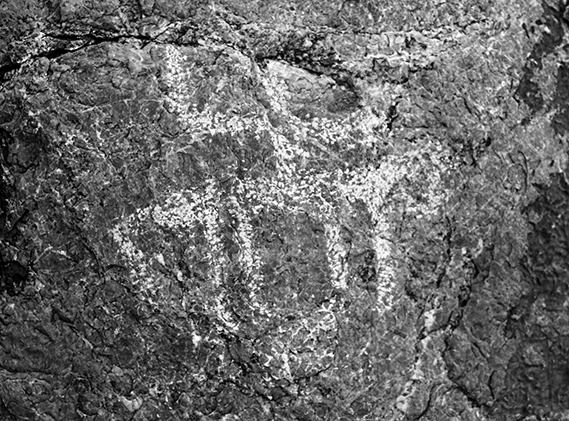
The rocks around the Ghamar area near Al Hamra are full of rock art; from the old to the relatively new (being less than a 1000 years old! age being a rather difficult thing to quantify – subject matter helps)
Jebel al Qal`ah.

Rock Art near Hasat Bani Salt.
 This has got me thinking: at first I thought it was erosion but if you look closely enough at the lower middle of this image, a figure? can be made out. This along with the uniformity of the indentations, clearly suggest ‘man made’ but what does it represent?
It can be found directly across the wadi from the Hasat Bani Salt carvings.
Rock Art near Al Hamra.
 I am pleased with this, it kept me waiting for over an hour until the light was right: very difficult to see and quite high up on the rock.
Wadi Bani Awf (Auf).

Entrance to Wadi Al Abyadh.
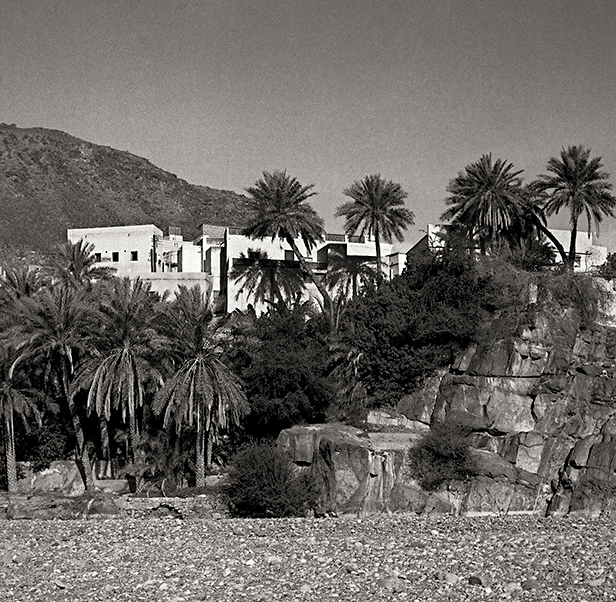
A day out with my Bronica S2a.
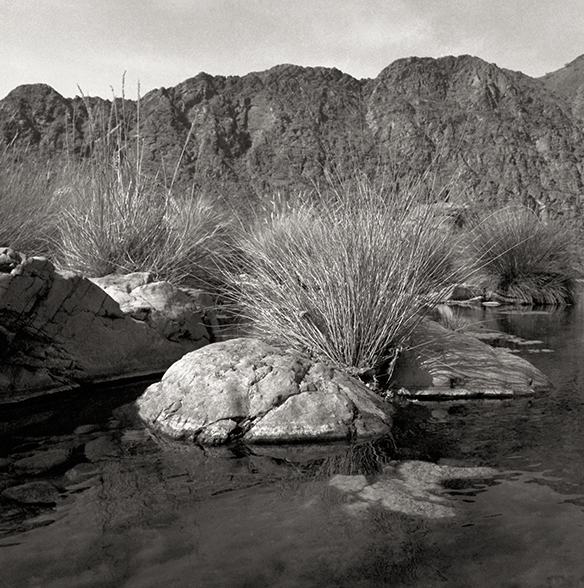
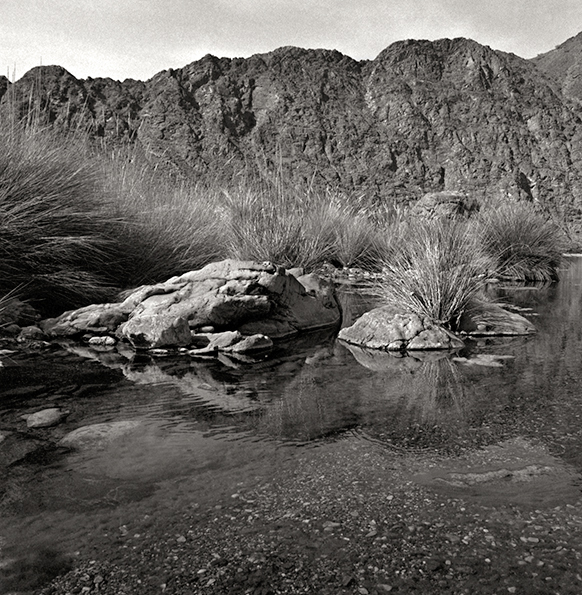
A day out testing my Bronica after having stripped it down cleaned and lubricated all the gears. I then recovered it with new ‘Griptac’ from “cameraleather.com” so it is nice and new looking.
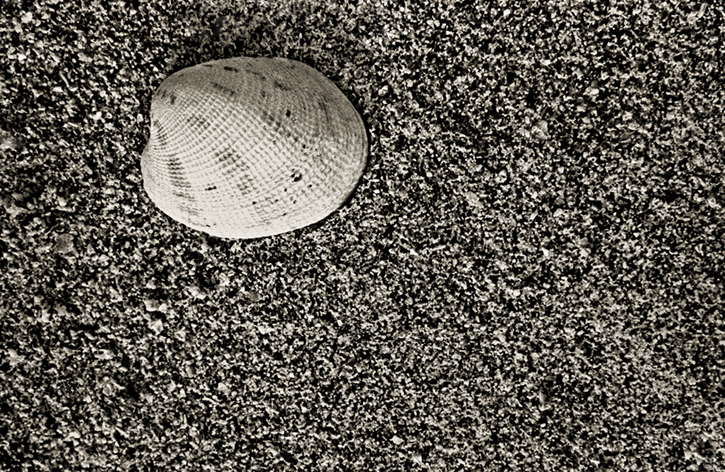
A Shell.
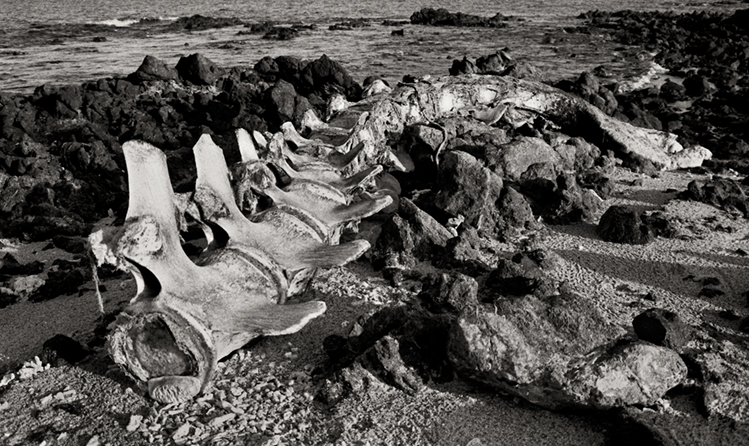
Old Bones – Masirah.
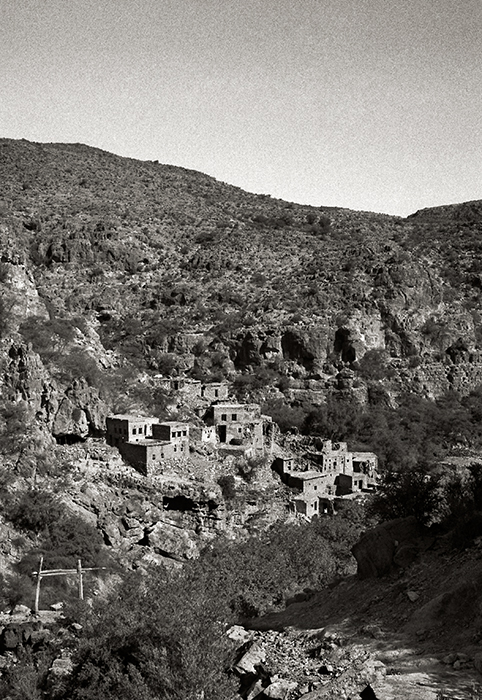
Jebel Village.
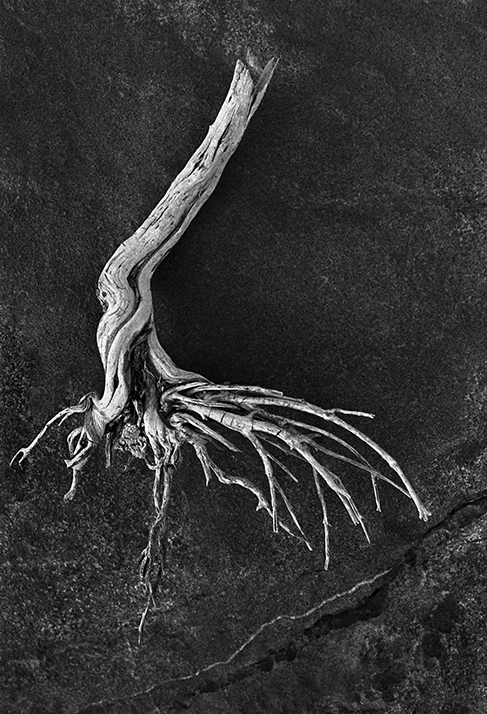
Dried Roots.
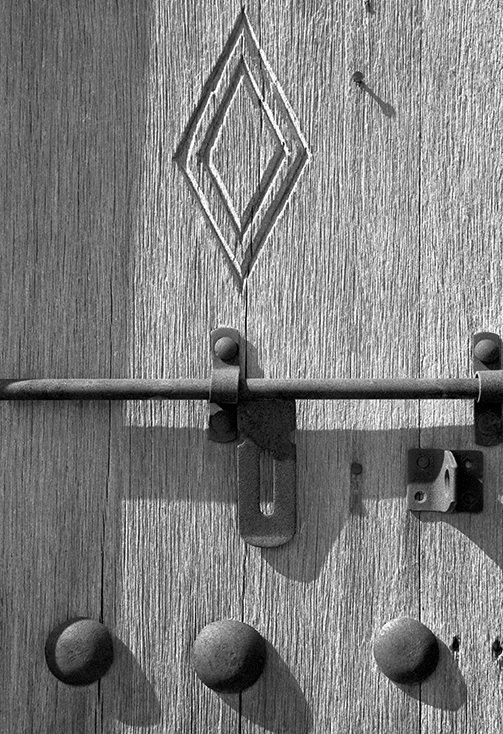
Door fittings.
Jebel-Misht looking from Jebel Shams.
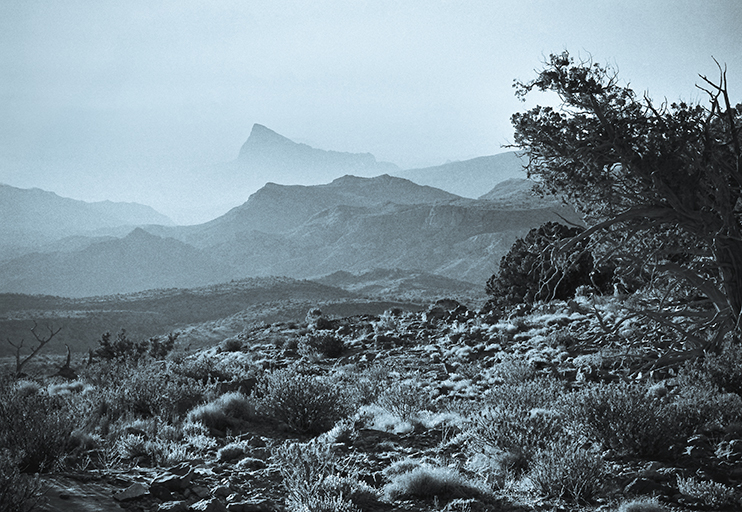
Jebel-Misht: blue toned.
Jebel Shams.
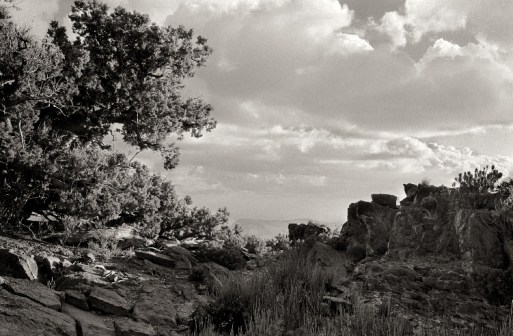
Qalhat.
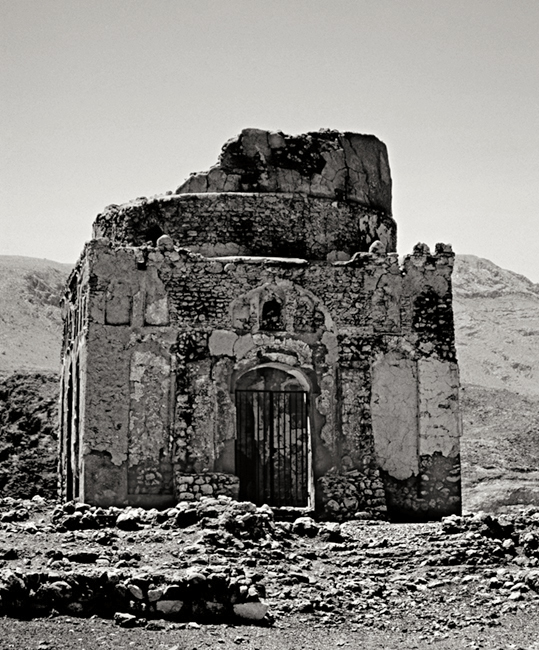
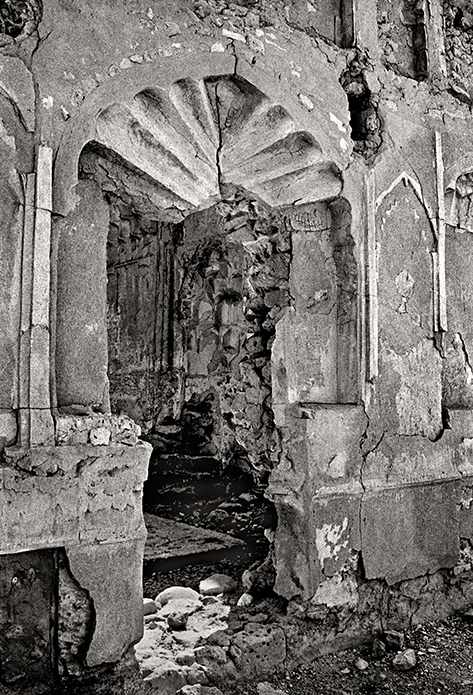
Mausoleum of Bibi Maryam.
Qalhat is about 20km from Sur, follow the new coastal road from Muscat.
The mausoluem built by the wife of Baha al-Din, Maryam, is thus call the Bibi Maryam mausoleum. Located on the coast near the town of Qalhat, described by Marco Polo and visited by Ibn Battuta in the second quarter of the fourteenth century.
Philip Ward’s Travels in Oman about Qalhat:
At the end of the fourteenth century Qalhat was struck by a heavy earthquake that destroyed many of the city’s buildings and falaj systems. In 1507, the Portuguese arrived in Oman ransacking Quriyat and then in the following year they destroyed Qalhat, killing many of the local population.
Portuguese quote:
“They did not stop to put fire to the building until it was completely burnt down….”
See entry World Heritage Centre from the link below.
Rub’ al Khali (الربع الخالي).

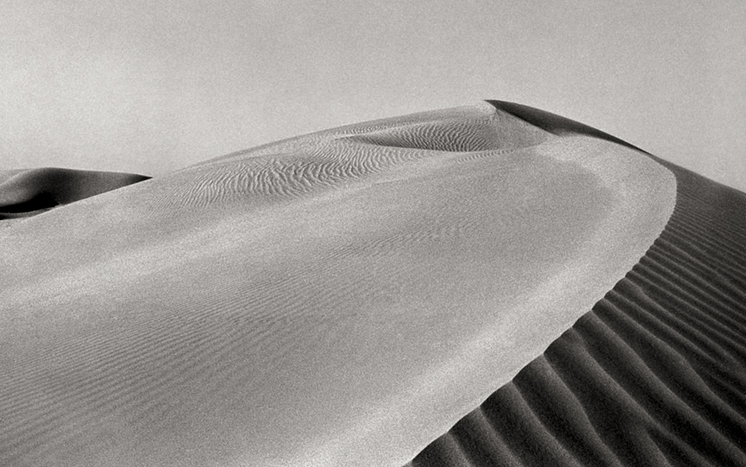
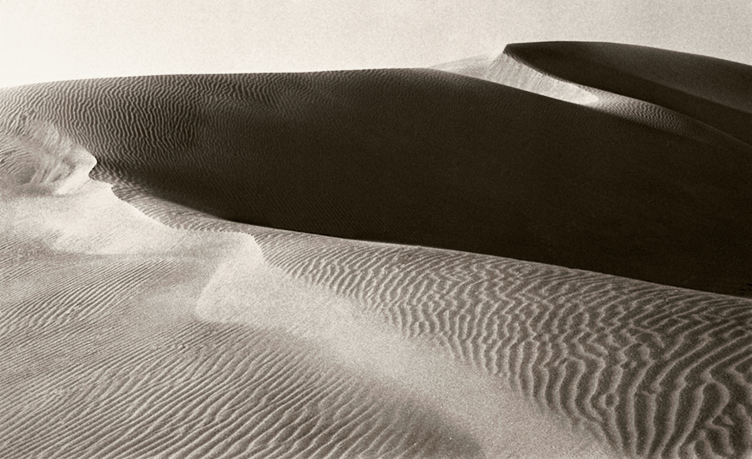 You need to be up early! for this sort of light.
(From the Encyclopaedia Britannica.)
The Rubʿ al-Khali sand desert, covering about 250,000 square miles (650,000 square km) is the largest area of continuous sand in the world. The topography is varied. In the west the elevation is as high as 2,000 feet (610 m) and the sand is fine and soft, while in the east the elevation drops to 600 feet (183 m) with sand dunes, salt flats, and sand sheets. One of the driest regions in the world, it is virtually uninhabited and largely unexplored.
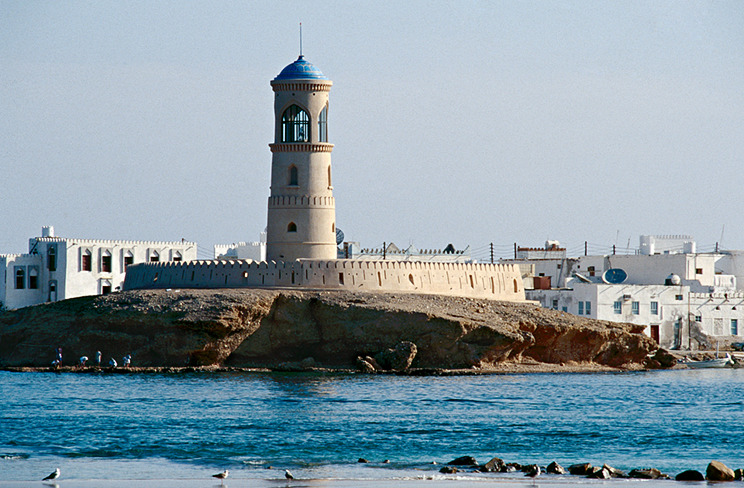
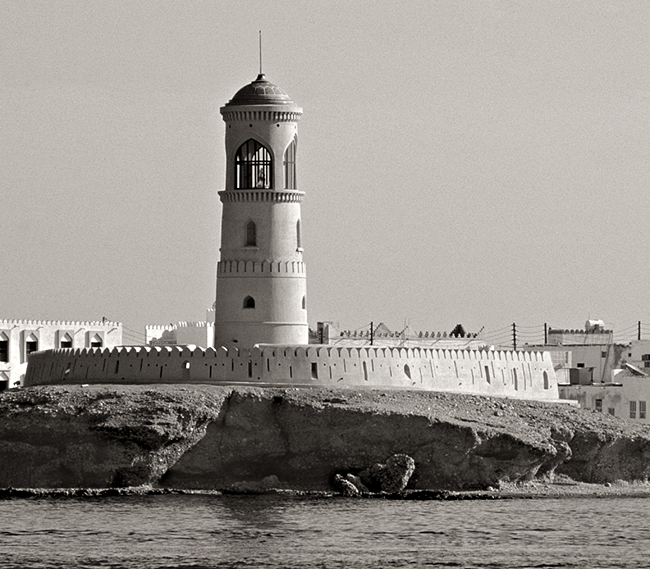
Sur (صور) Lighthouse.
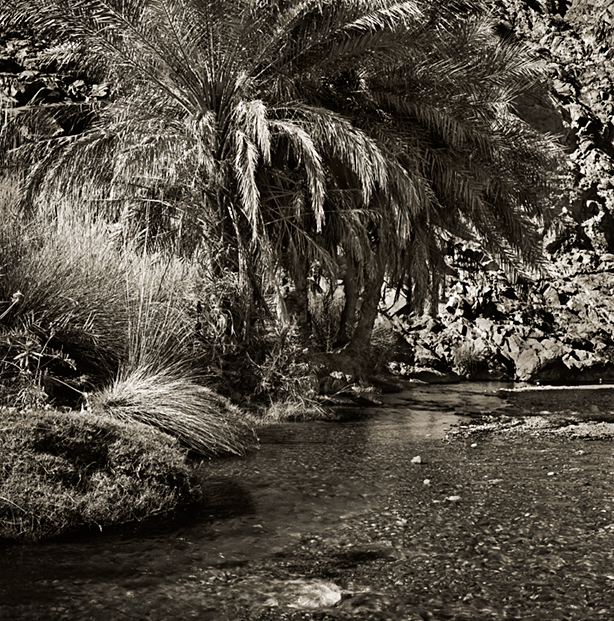
Wadi Al Abyad.
Rock Art in Oman.
 Note the unusual triangular depiction of the figure on the left of the above image.

 The above found near Nakhal.
Rock, plant & water
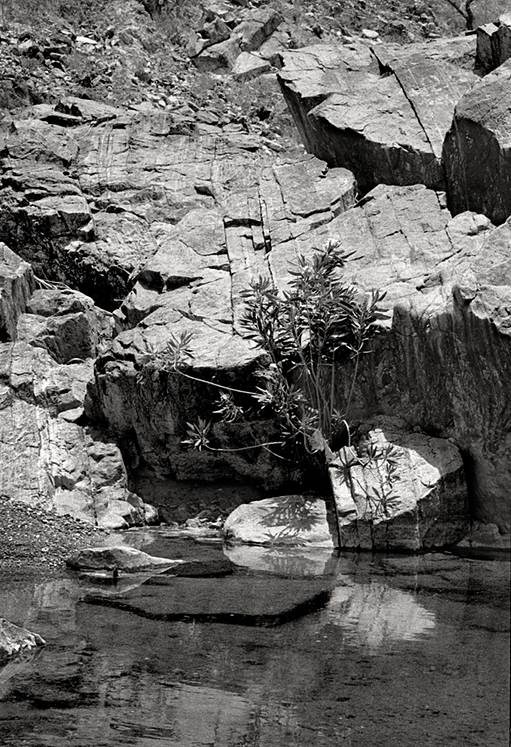
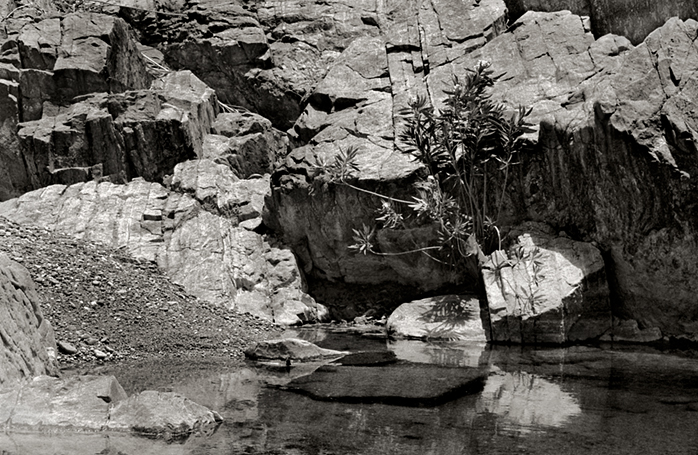
A Wadi Gorge.

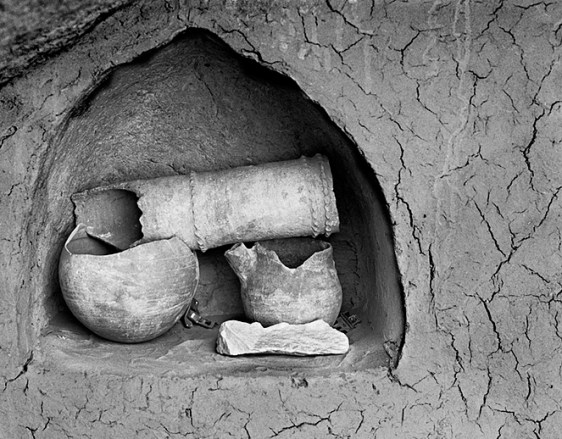
Detritus.
 David A Lockwood