

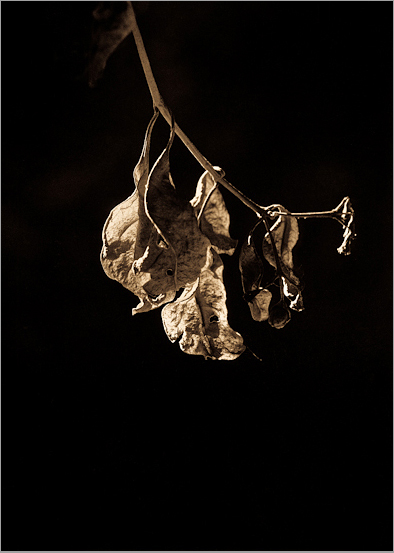
 Dried Leaves.
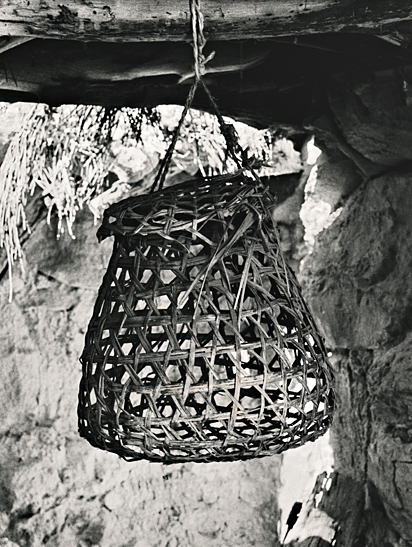
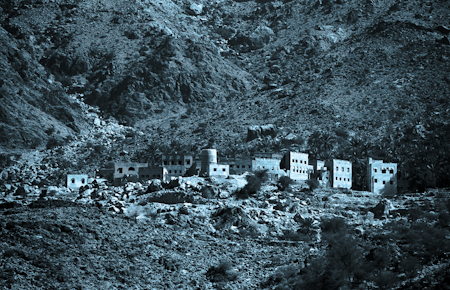
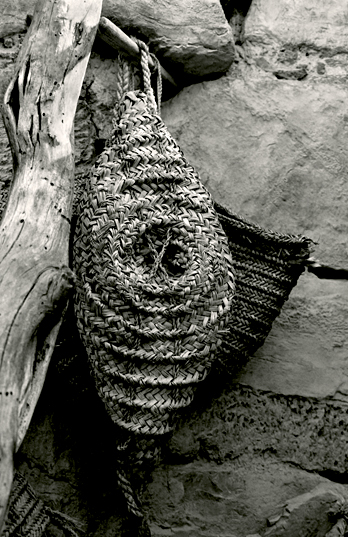 Why would anyone abandon such workmanship? – Jebel Harim.

Another from Shams – I love that place….
I spent several years working on Jebel Shams and had a great time; it is one of the most spectacularly scenic places in Oman, especially on the very top!….
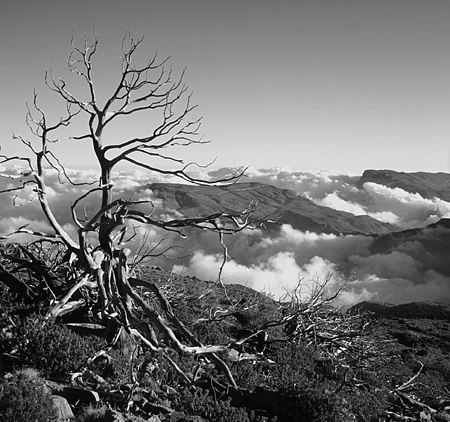
The same image on Kodak Panalure paper – sadly no more!
Kodak Panalure was an example of a panchromatic black-and-white paper which was discontinued in 2005; it gave the advantage of being able to print colour materials in nearly ‘true’ black and white. The problem with using conventional B&W paper or converting digital colour images into B&W is that the tonal range gets changed; it is very hard to reproduce what would be obtained from true B&W film. A little like Mp3 files verses true analogue vinyl recordings. (Sorry that is another subject altogether)
 After the storm.
This was taken on Jebel Shams several years ago at about 9900ft and is still one of my favourites.
 Sunset Jebel Shams.
 Wadi Bani Habib. Al Jebel Al Akhdar (the Green Mountain),
 Wadi Bani Habib.
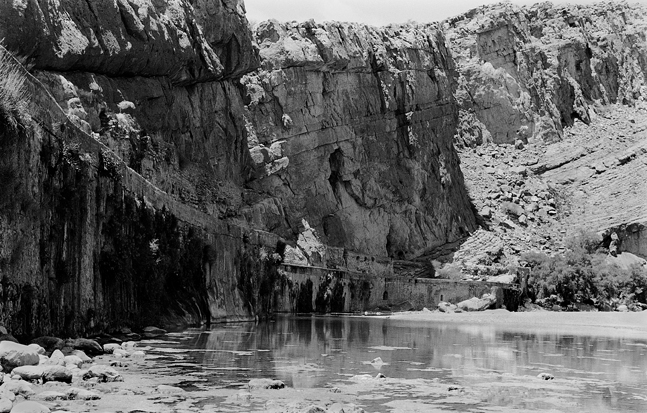 Wadi Tanuf.
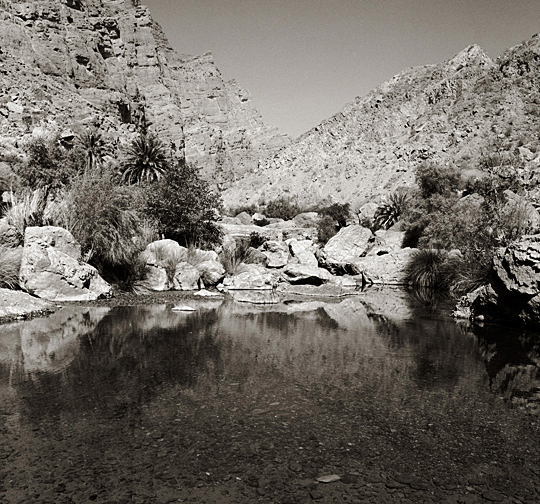 Wadi Bani Habib.
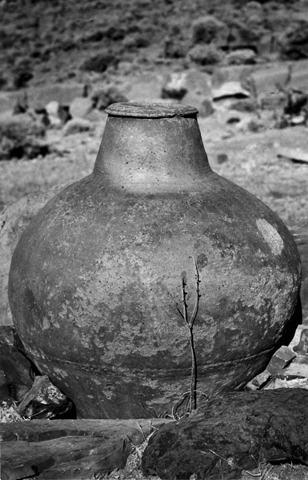 Old storage pot – Jebel Harim Khasab.
 Boat & nets – Masirah Island.
 Net & boat – Masirah Island.
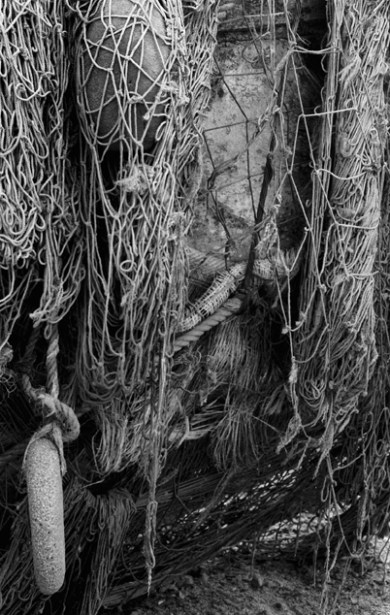 Old nets Masirah Island.
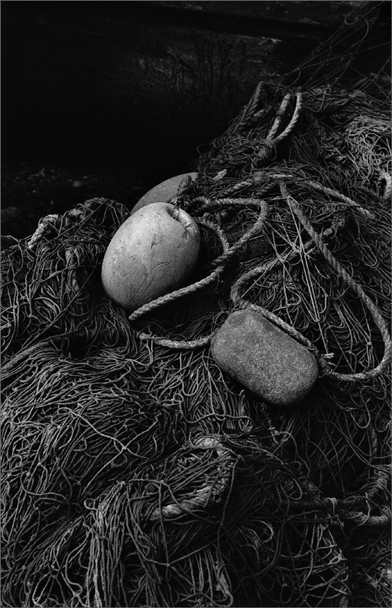 Net & floats – Masirah Island.
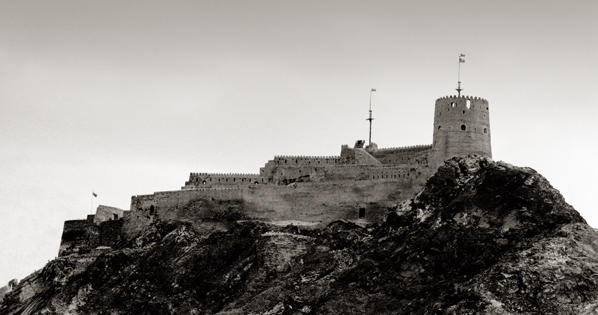 Fort Muttrah.

Another visit to the Umm an-Nar site at Shir Jaylah.
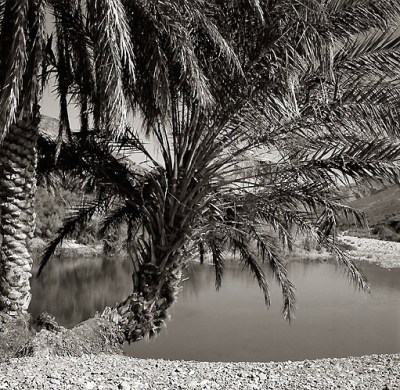 Palm & water.
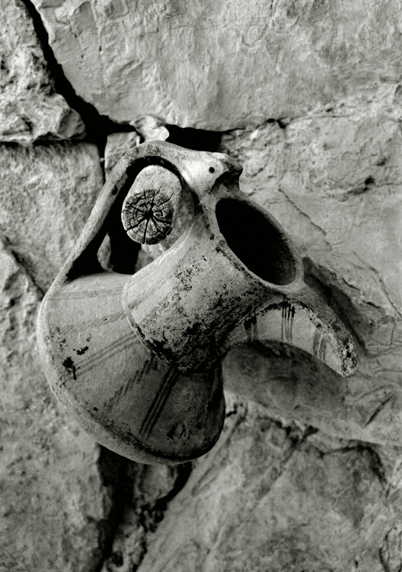 Old coffee jug – abandoned village Jebel Harim Musandam.
Musandam is the most northern governorate of Oman.
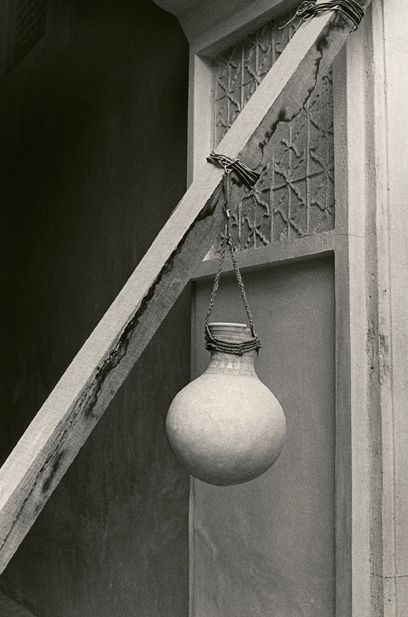 Old pot in Jabreen Fort.
A 17th Century fort originally designed as a country house for Bil’arub bin Sultan bin Saif around 1670 at the height of the Ya’ruba period.
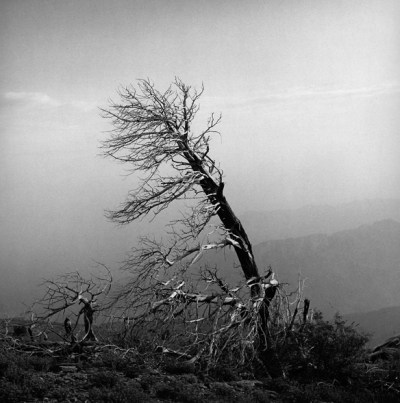 This was taken on Jebel Shams at about 10.000ft.
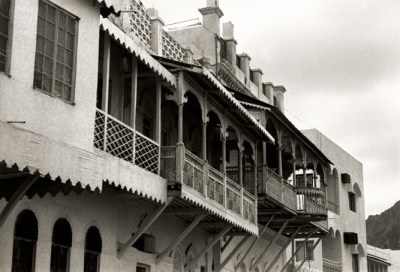 Muttrah Oman.
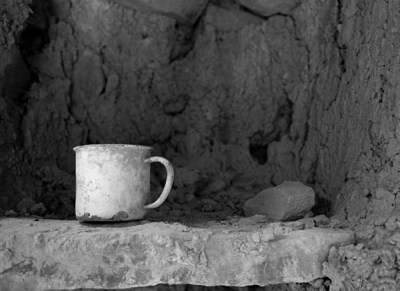 Abandoned cup in old deserted village.
I have been thinking about starting a blog of photographs made here in Oman for a long time.
Anyway here it is – I hope you like it.
A little info about my pictures and the equipment I use.
Copyright
All images appearing in this web site are the exclusive property of David A Lockwood but if you would like to use any of them please contact me – I will probably say yes.
Enough of that.
Film – I have not gone over to the dark side! I just cannot interact with a digital camera, so the nearest I come is using a scanner.
Most of the images are taken with my trusty Nikon F4 or F2 (both really nice intuitive cameras) and for larger negatives I use a Bronica S2a which was a very nice gift from my daughter a few years ago (very good Nikon lenses).
I use a traditional darkroom setup – getting harder to find suppliers here in Oman over the last few years…..
A word of warning, I am terrible with giving information about camera setting, film used and even the place the image was made: But I will try. Google Earth plus GPS is now my friend.
Enough for now, I will add more as I go along; after all this is about photographs not me writing.
 Tomb of the Umm an-Nar period at Shir Jaylah in the eastern Hajjar (جبال الحجر).
 David A Lockwood