Category: colour.
Rock Art at As Suwayh.
 Update to the above:
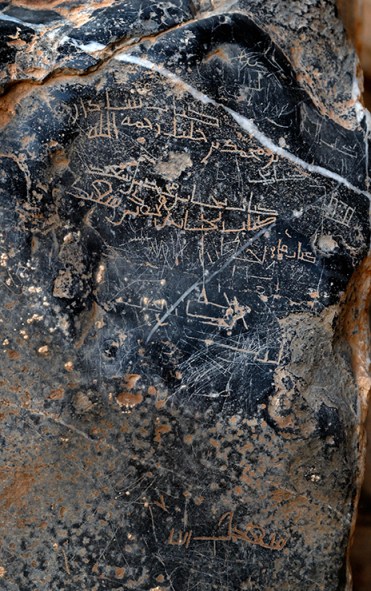
I have been doing a little research on the inscription and with the help of Omani friends and colleagues; we have a fair translation. Please correct me if I have got the translation totally wrong (I don’t think I have but who knows) 3rd of Dhu AlHijjah 1237 H is 23/08/1822 G.
“On Thursday the 3rd of Dhu AlHijjah 1237 Hijri the scholar father of Nabhan. Jaiid bin Khamis bin Mohammed bin (?) bin Zaid bin Mansour Al Kharoosi Al Abadhi Al Omani has died. Written by his son Khamis”
But why it was inscribed high up on a rock in the dark entrance to a narrow wadi, we are not sure, it could be that this is where he died….?
He was a very famous Omani scholar of the Ibadi religion.
A morning at Muti (Imti as it is now known).


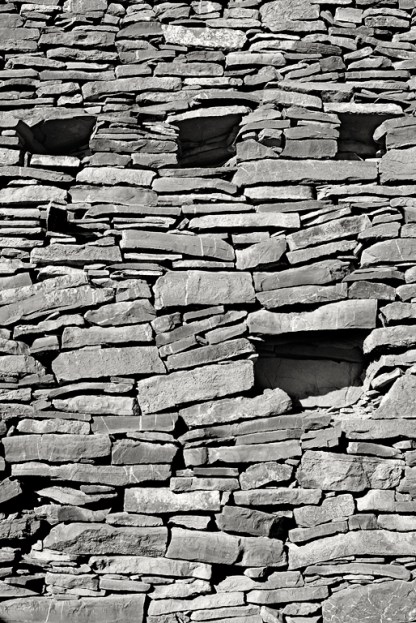

This is ‘Dry Stone walling’ perfected over many years!
Muti is the remains of a village behind the present day Imti – over the years it has moved progressive down hill.
 A very dark and smoke filled existence.
This was made in the area directly behind the new village of Imti – the others were further up the hill.
Old Samad Al Shan.
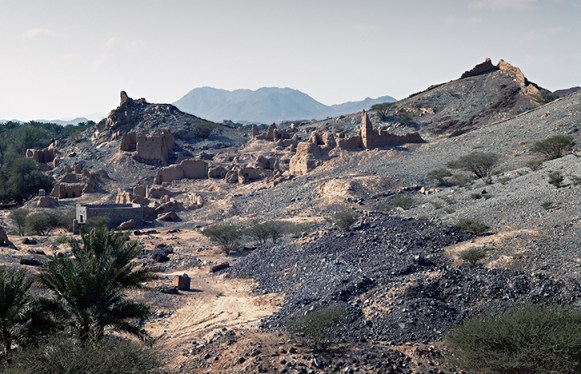
Rock Art near Qabil Al BuSaid.
Update:
This site should come under the Ministry of Heritage and Cultures protection, but probably like the one at Hasat Bani Salt; a fence will be put up and the site promptly forgotten!
The following series of images are from a rock art site quite close to Qabil Al BuSaid in the Ash Sharqiyah Region.
A friend who lives in Al Mudaybi gave me directions to the area (also thanks to Google Earth which I used to pin-point probable rock outcrops) he said that there is some rock art that I might be interested in: how right he was….
This is the first site where I have seen ‘Finger Painted’ art outside the Salalah area.
I will have to do some more research, because so far I have not come across any reference in the literature that I have, which refers to finger painting, other than in Salalah.
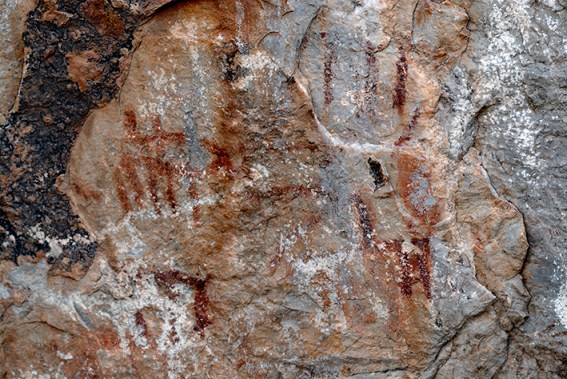 Note the Red Ochre coloured finger painting; some of the images have become very faint with age.

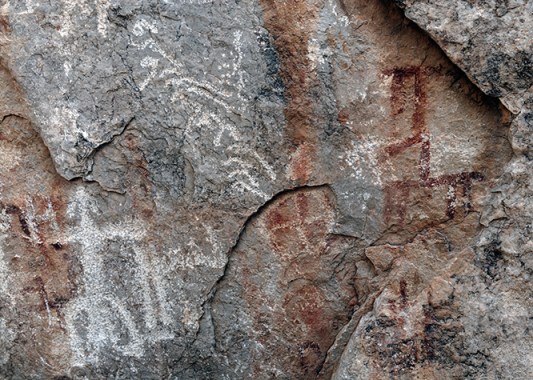

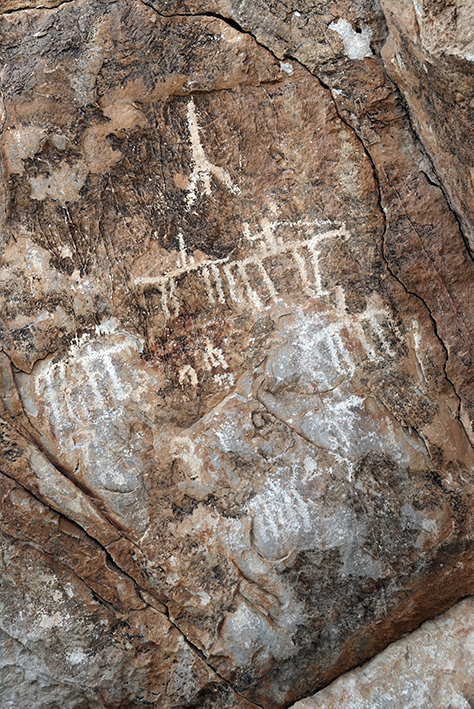

The above image shows a number of ‘Wusum’ or tribal markings: Dr Majeed Khan, a leading authority on Arabian rock art, has produced a book on the subject that is available for download from these two links Wusum-The-Tribal-Symbols-of-Saudi-Arabia-Part-1 and Wusum-The-Tribal-Symbols-of-Saudi-Arabia-Part-2 a very interesting read.
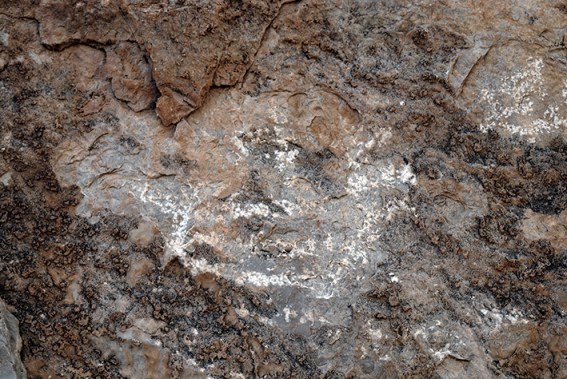 This looks like a 1600’s Galleon, but why would someone peck it out on a rock so far inland?

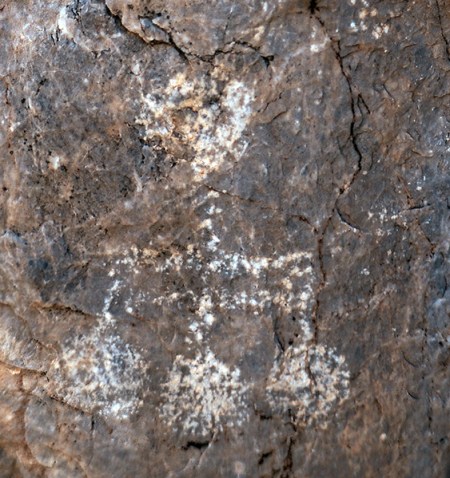
I need to go back! I did not get the focus quite right on this one…… That will teach me; when working in B&W I always take at least 3 just in case I mess up. Trying to conserve materials is never a good idea.
A Flower.

Jebel Akhdar.
 These last few Akhdar images came from a very enjoyable camping trip a few weeks ago.
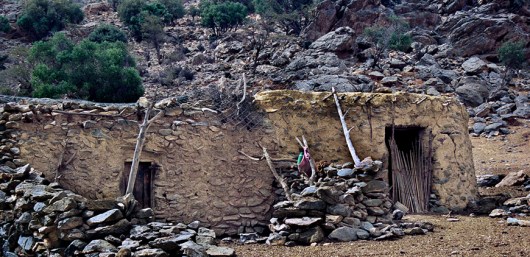
This abandoned village is hidden from view, so cannot be seen from any road or track.
Jebel Akhdar.
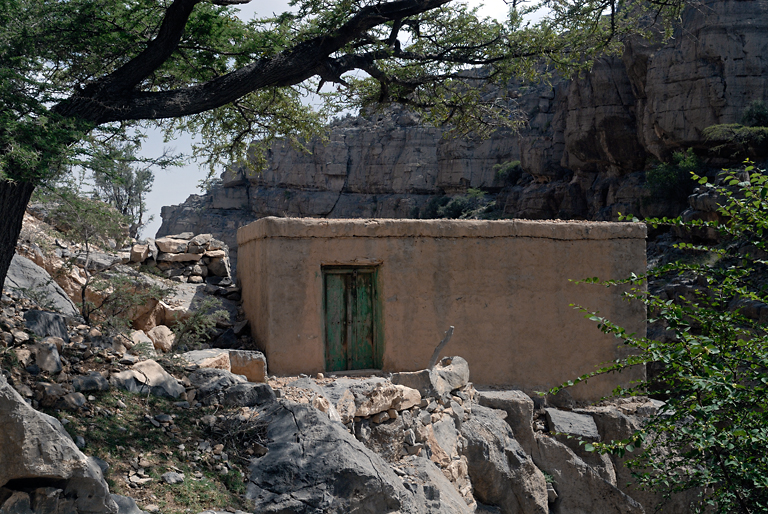
Look here:-
Door Jebel Akhdar 2.
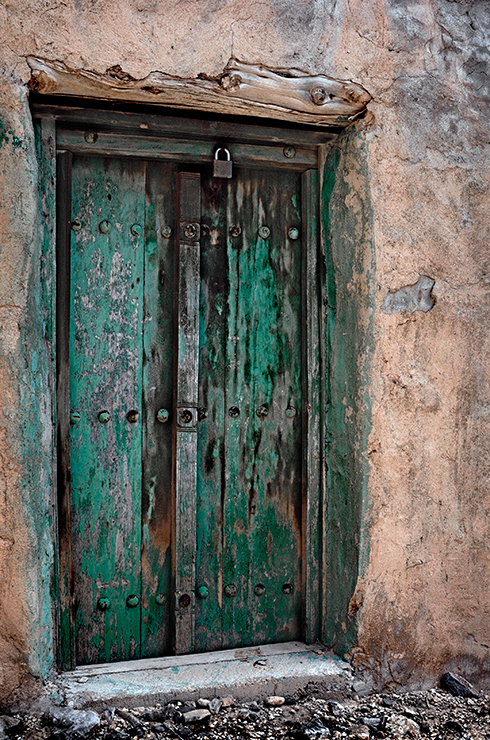
At this rate I will have to change the blog title – I seem to be posting a lot of colour at the moment.
Jebel Akhdar – again.
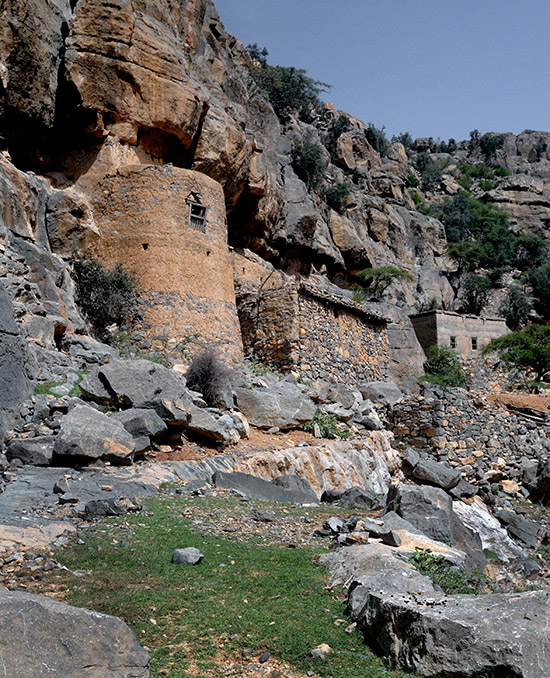
Jebel Akhdar.
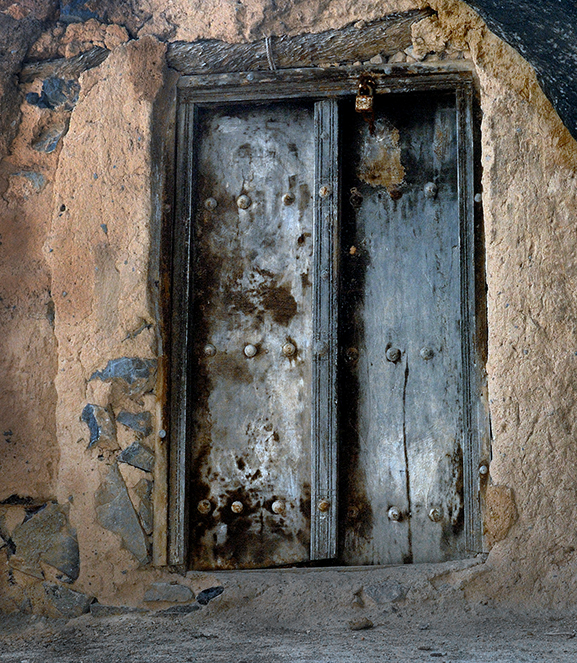
Jebel Akhdar.
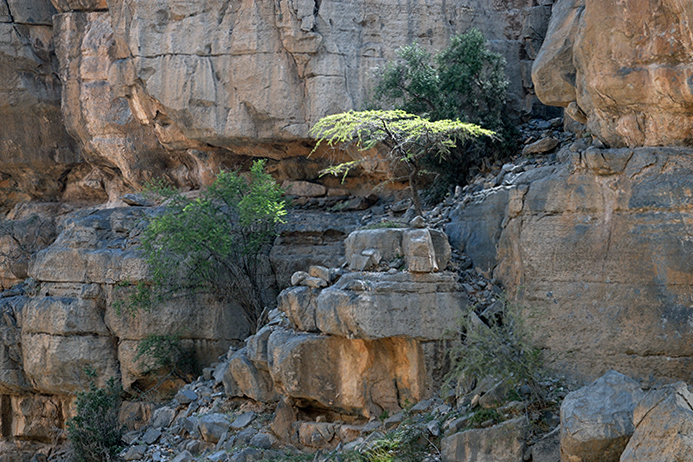
Wadi Bani Habib – Birkat Al-Mouz end.
 Wadi Bani Habib – Birkat Al-Mouz end.
Camel riding & Rock Art.
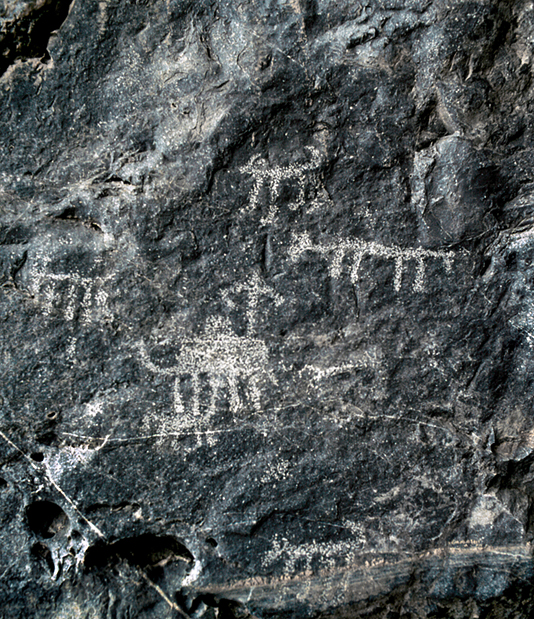 Two things I find interesting about this image:
There is older art behind the legs of the Camel.
Several instances that I have seen depict the rider ‘standing’ on the camel’s back when riding. Not being familiar with the finer art of camel riding (I only got on one for the first time a few months back – they are not my favourite animal. Especially as one stole newly purchased fruit from my Landrover at Masirah; anyway Horses are far more comfortable to ride) A good excuse to educate myself on the development of camel riding.
Tower Tomb.

This was taken while going across the mountain from Qalhat, Kabda, Sayma and ending in Ibra.
Interesting drive and only possible with a 4×4 not to mention a full tank of fuel before leaving Qalhat: that is unless one has a diesel Discovery! which I had when I made this trip. No longer with me I am afraid as it was getting long in the tooth for this sort of journey (1994 Tdi 200) Try and get spare parts for a vehicle that old here in Oman………
Masirah.
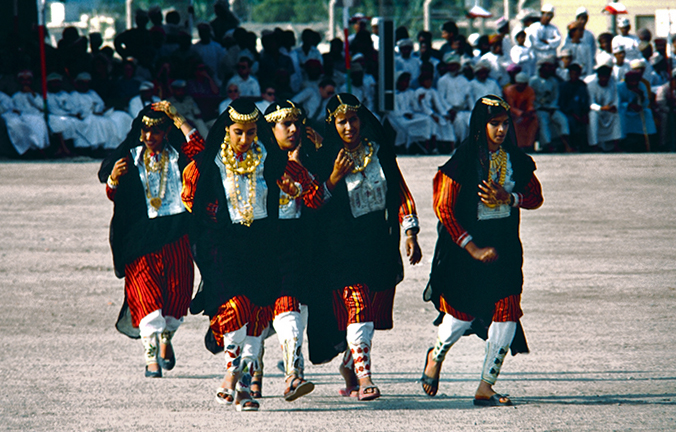
 National Day – Masirah: several years ago.
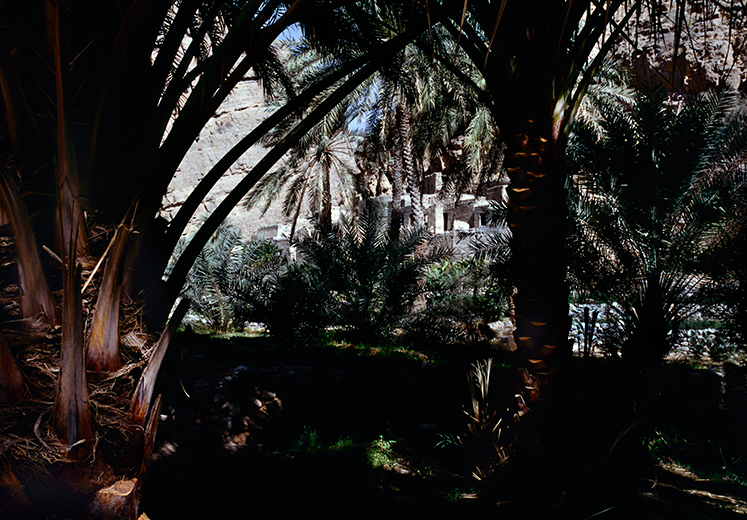
These two were taken late 80’s or very early 90’s so excuse the quality, I was using questionable lens and film.
Old Village through Palms.
A Flower.

The Hajar Mountain range Oman. (جبال الحجر)
 From about 9500 ft.
 About 9850 ft.
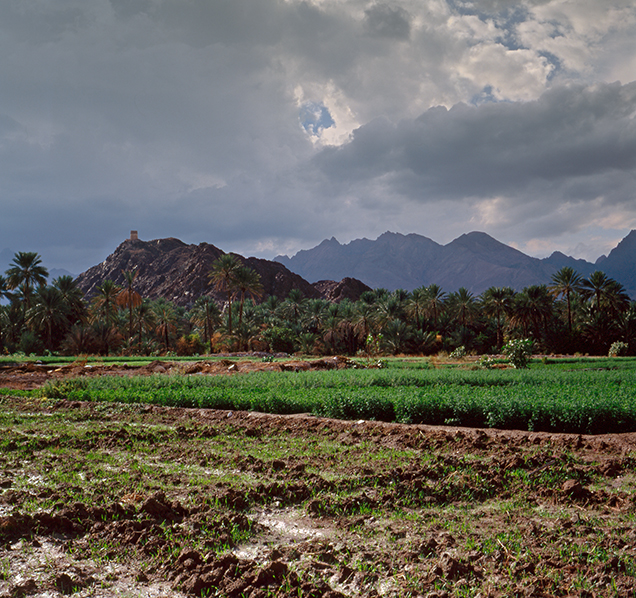
After the Storm.
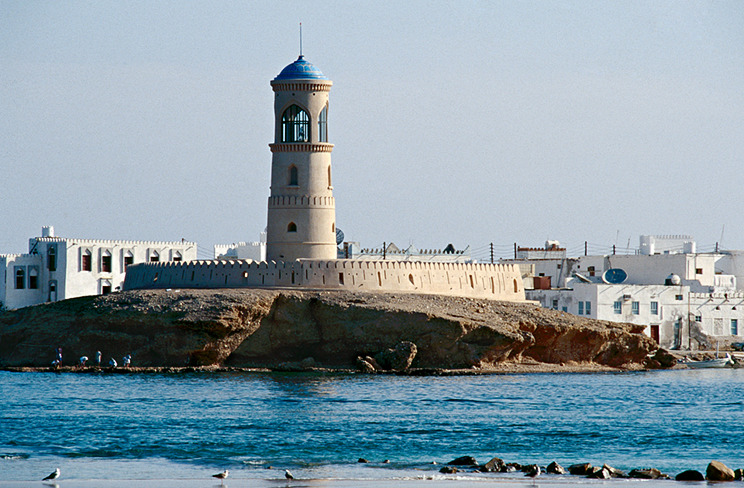
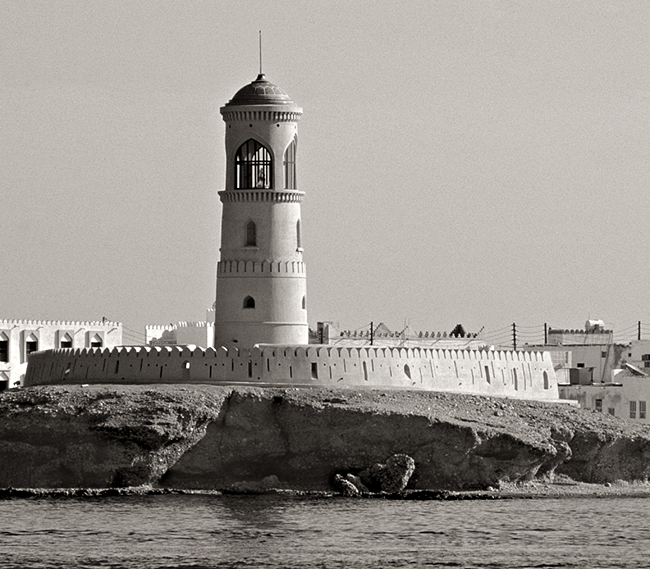
Sur (صور) Lighthouse.
Ruwi several years ago.
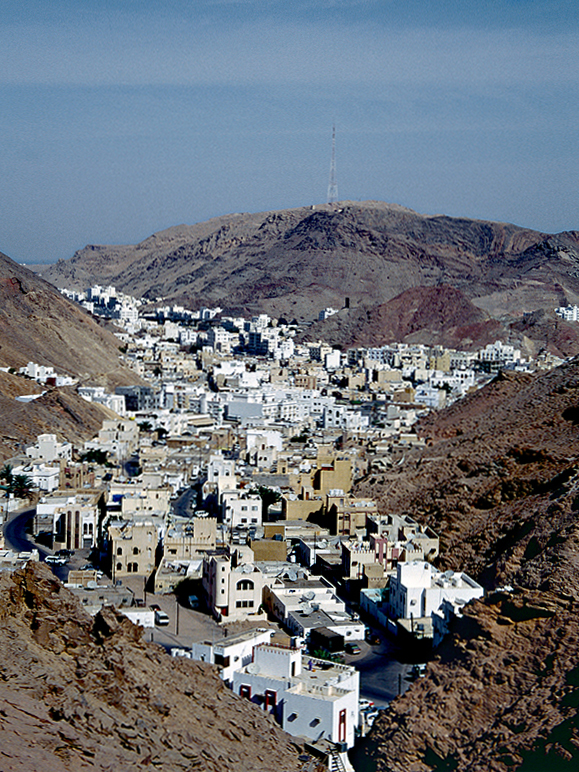
On the Ruwi – Yiti road before it was tarmac.
Nizwa.
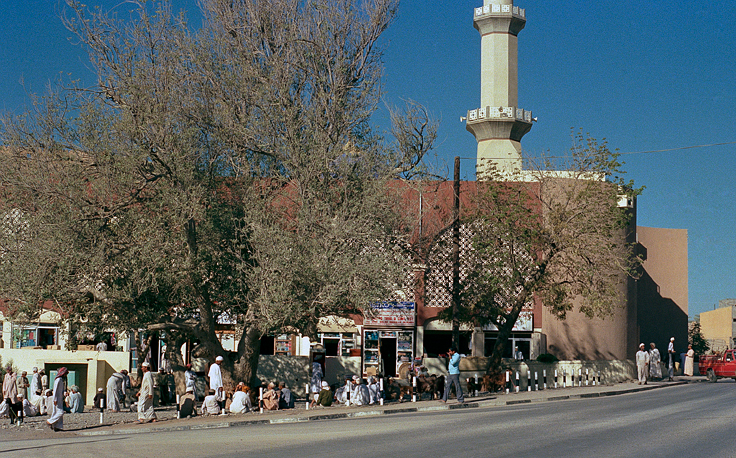
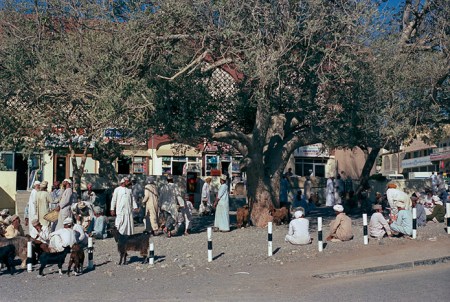
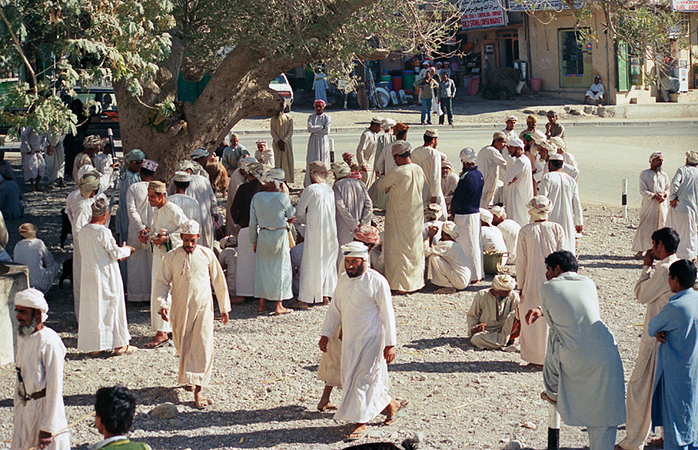
Stone monument of unknown age: Jebel Shams.
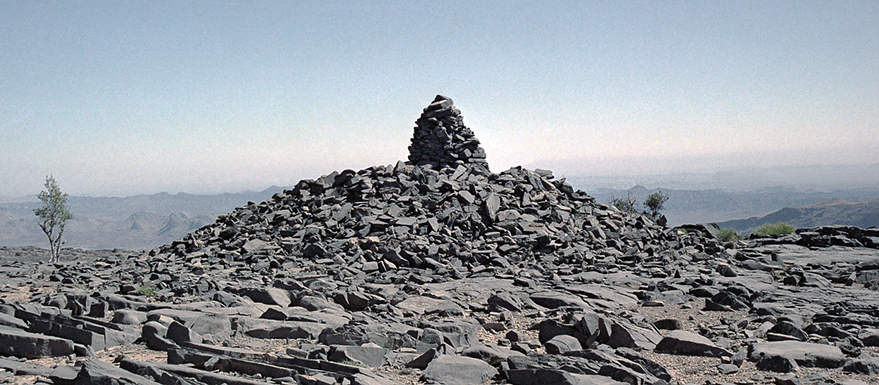
Jebel Shams.