
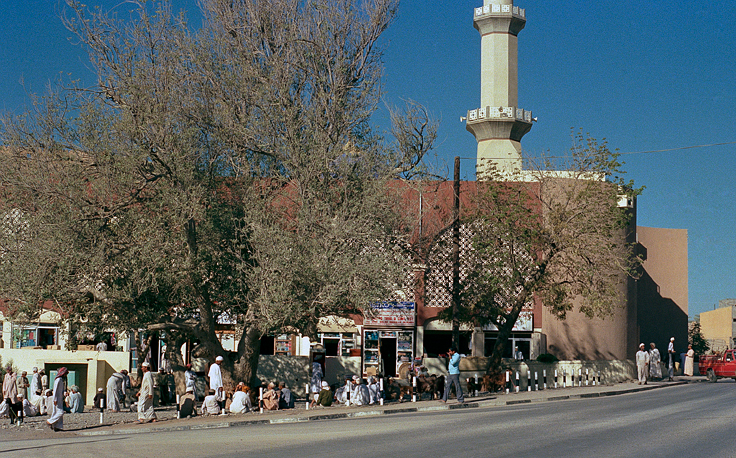
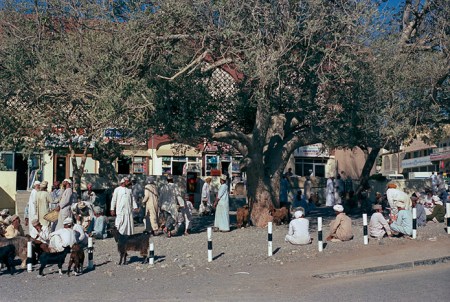
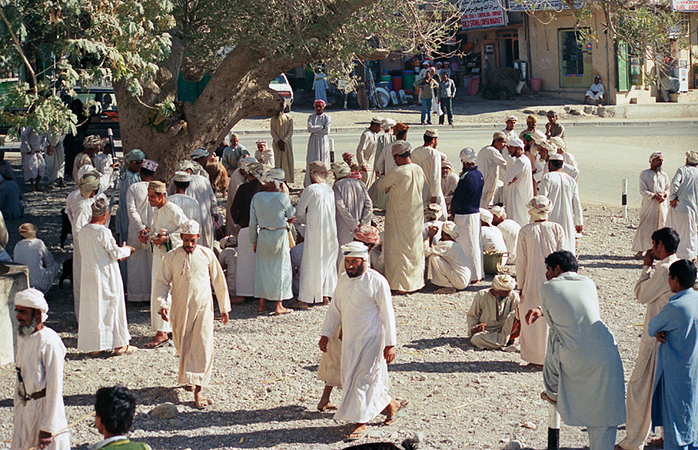
Another from my old files – most if not all are in colour as I did not have a darkroom until a couple of years after getting here.
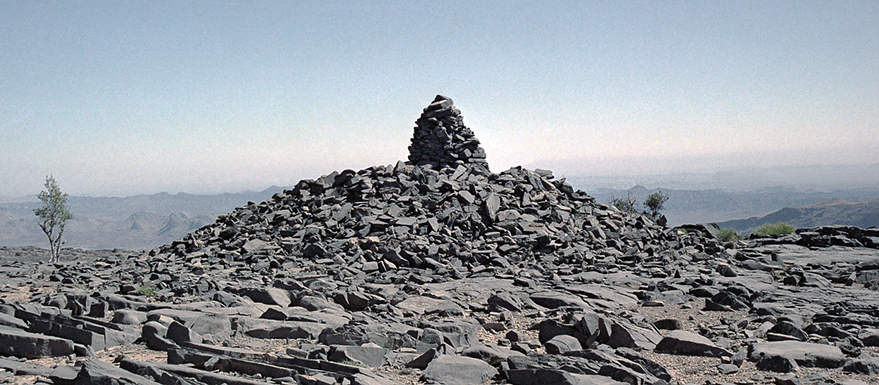
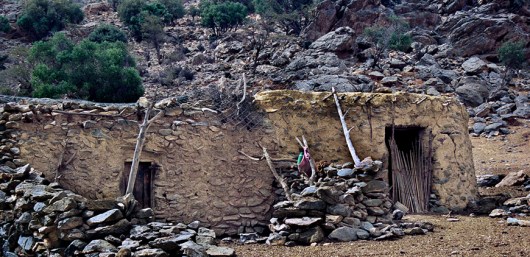
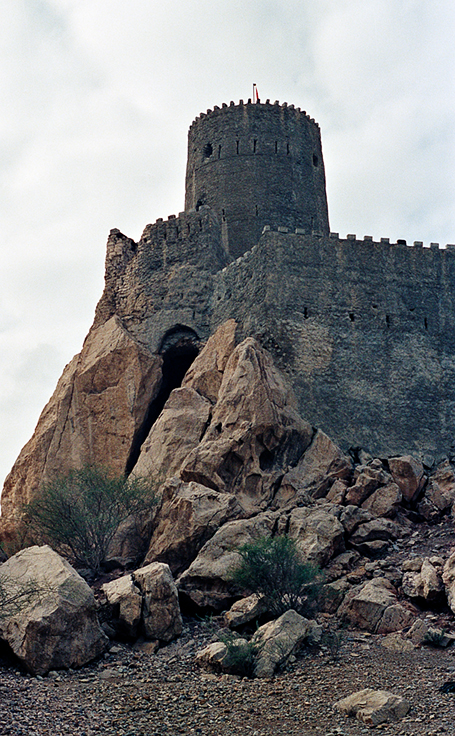


I forget sometimes what I have in my negative files, one day I should/will catalogue them rather than as now – use memory.
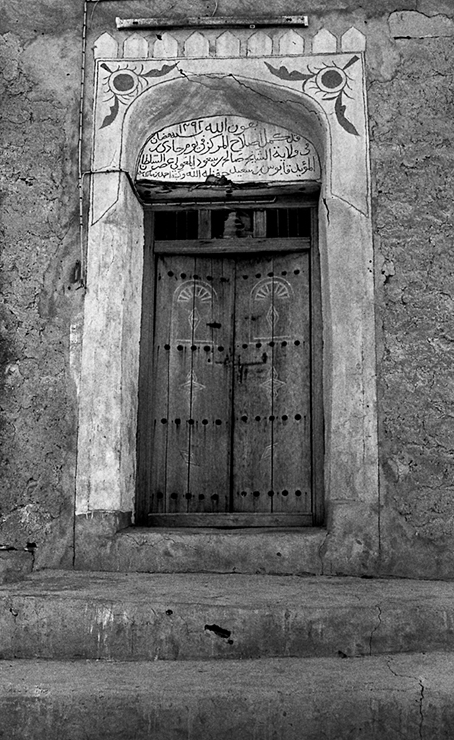
Traditional Bedouin jewellery is becoming harder to find in the souks: for those who remember the old souk in Nizwa, that was the place to find it – but now gone, along with the jewellery. Modernity has a lot to answer for, especially when culture and tradition make way for the new….
One can still find items in the souk at Muttrah but sometimes its age is questionable
As an aside: why do I always find information about Oman’s History and culture from outside sources – Looking at published information; very little comes from Oman, why? Maybe one day Oman will wake up and find out how interesting its culture and history really is…
Here on Bedouin jewellery from the Aramco magazine.
the.beauty.of.bedouin.jewelry.
..
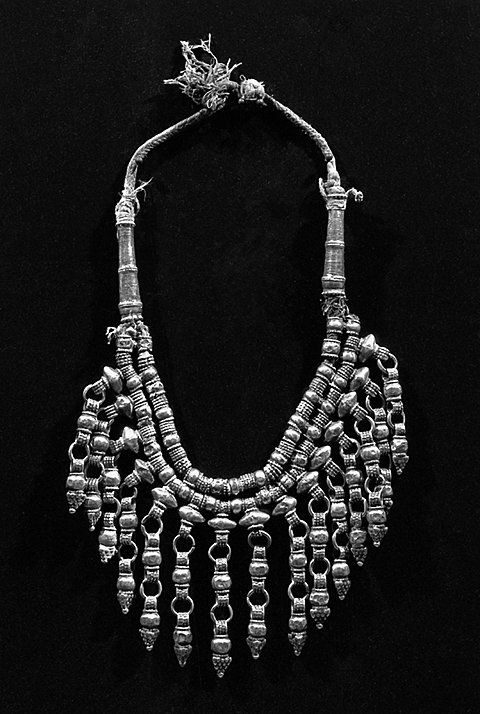


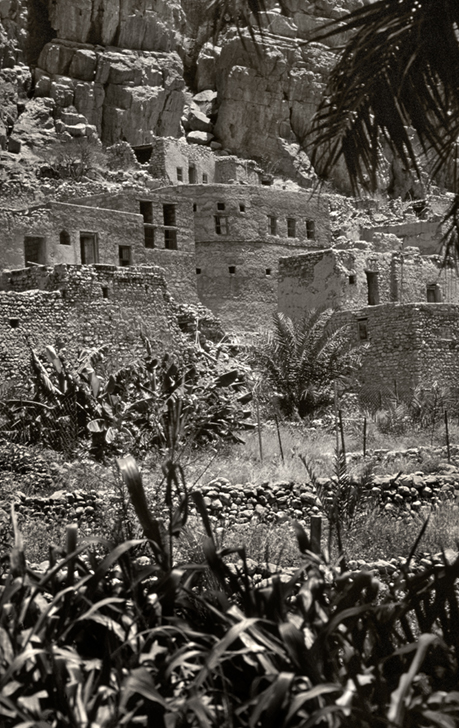
Some interesting links about the ruined village of Tanuf and the The Buraimi – Jebel Akhdar Crises, 1952-1959.
Another interesting article, which I found while going through back issues of Saudi Aramco World magazine.
Oman A History Written by Paul Lunde.
This gives a brief glimpse of the major periods in Oman history – enough for thought and further investigation.
Oman A History Written by Paul Lunde.
saudiaramcoworld oman-a.history

 The advantage of the Bronica S2a – I can use two backs: one colour and the other as in this case, loaded with Iford FP4+.
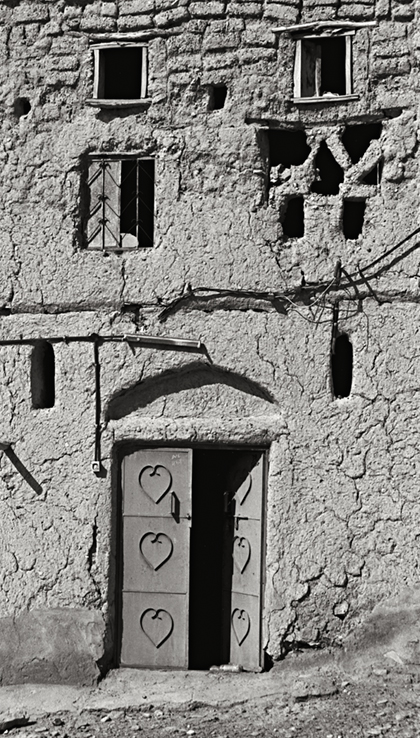
You can only do so much!
The desert is an unforgiving environment, but many fascinating finds can be made, The Huqf being one area geologists, biologists, and those with an archaeological interest find well worth a visit.
Stone Age settlements and flint-factories, particularly around the central Huqf Sabkha, indicate a less hostile environment during the time of stone-age Oman.
Fossilised wood remains can be found at several sites, as the image below shows.
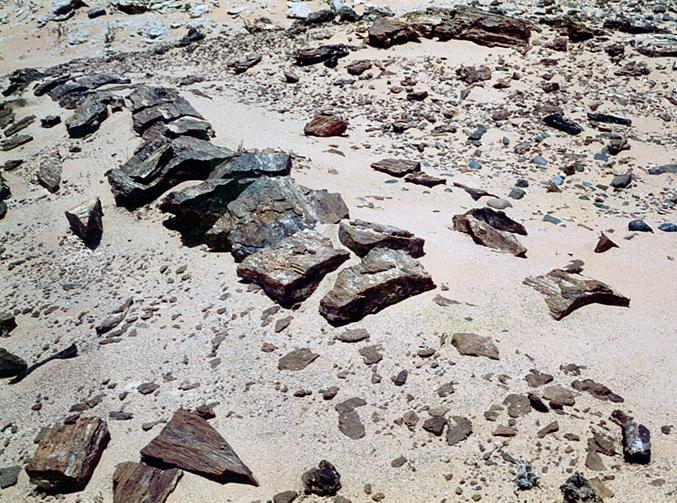
The oldest rocks in this region are about 730 million years, these are basement rocks, a type of granite.
Because it is such a unique place, the Ministry of Municipalities, Environment and Water Resources is working to conserve the natural heritage of this area.
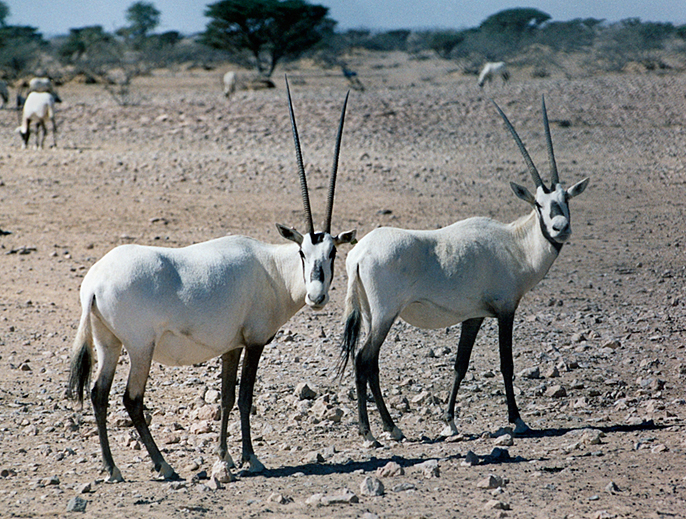
Much of the Huqf lies within the Arabian Oryx Sanctuary, unfortunately a very desirable animal for some unscrupulous people who I am told will pay handsomely for any that are captured: resulting in a never – ending battle with poachers.
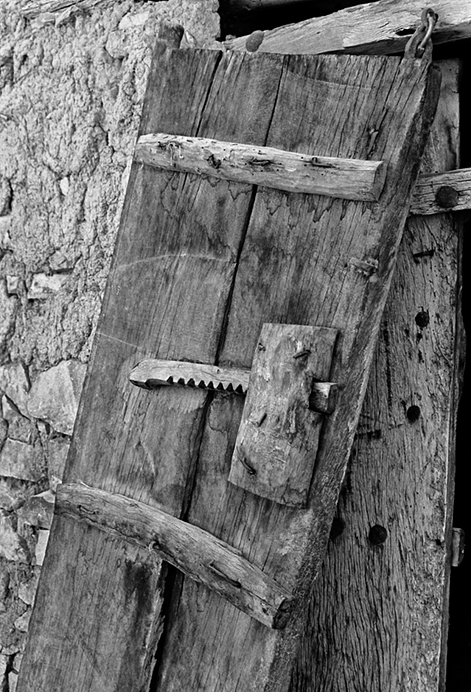
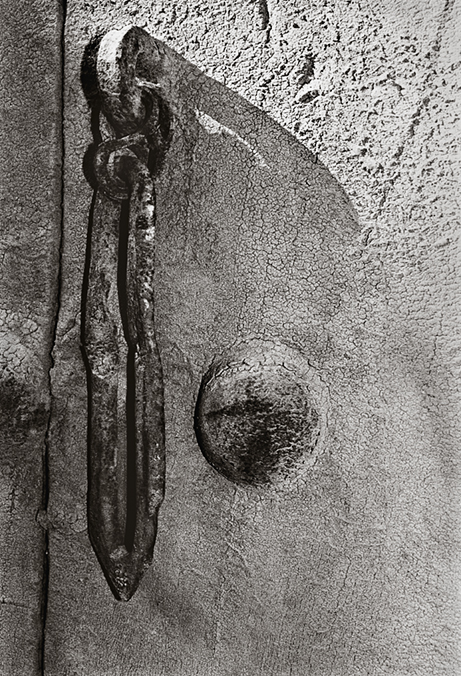
Old door.
Anyone interested in more information about the rock carvings depicted in the previous three images can look at this link.
archiv.ub.uni-heidelberg.de/propylaeumdok
when you open the link Click on: Dokument 1 .pdf (1.455 KB) – it is in English….
For those that have the books, it can be found under: Sacred places in Ancient Oman. Journal of Oman Studies 11: 133-138; Yule, P., 2001. The Hasat Bani Salt in the al-Zahirah Province of the Sultanate of Oman.
 David A Lockwood