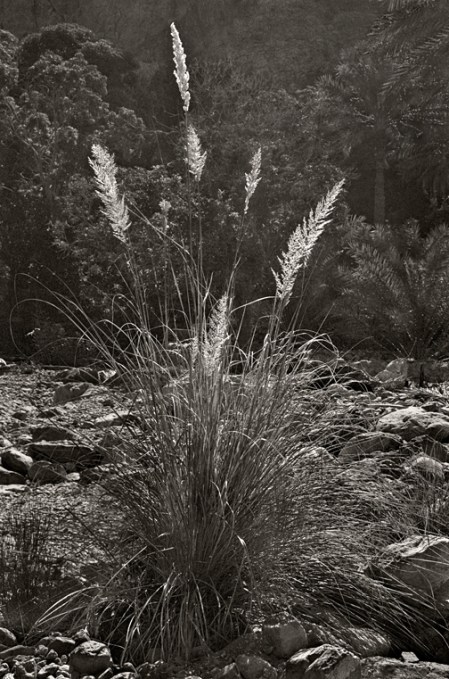
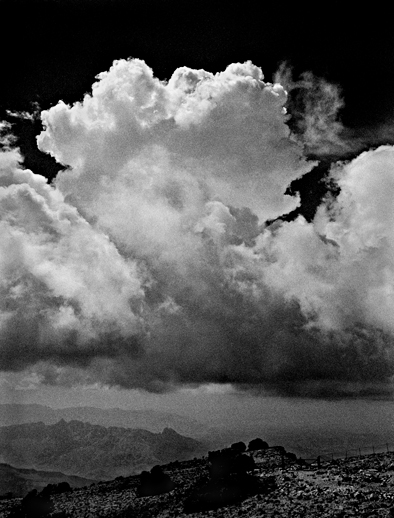
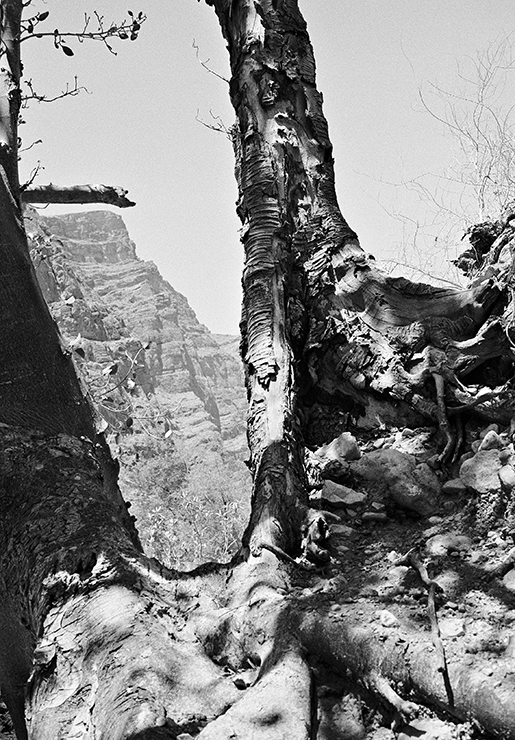
The Nikon 35Ti.

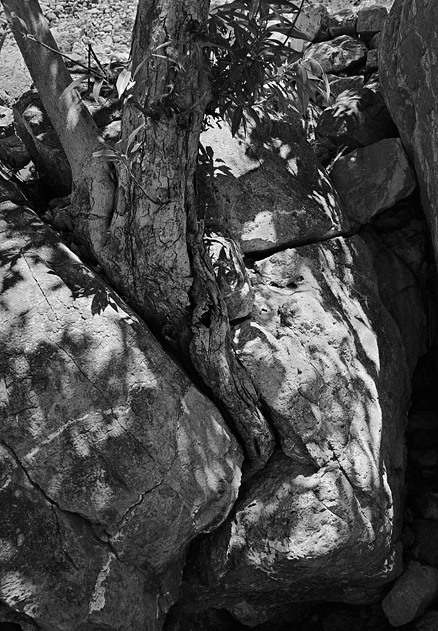
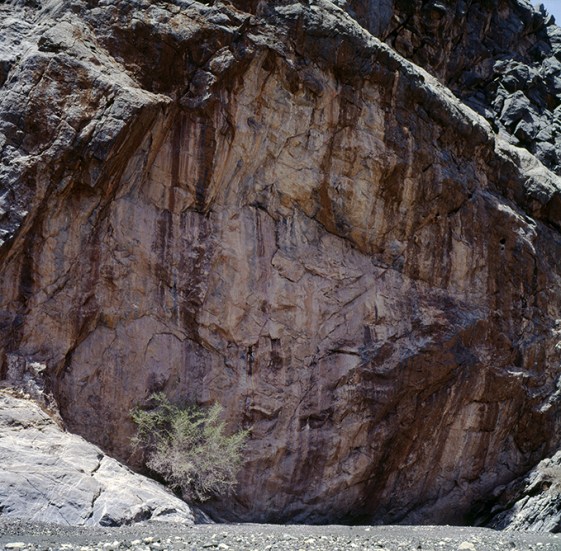
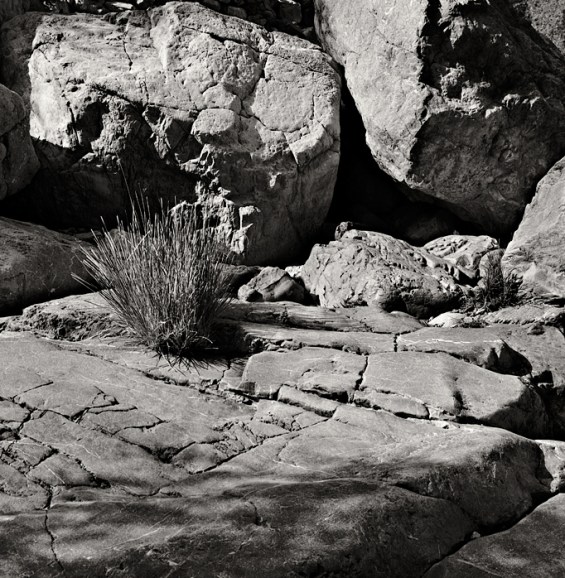
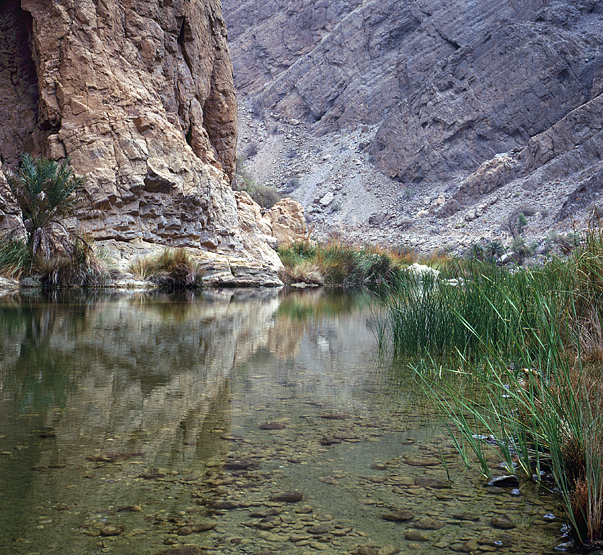
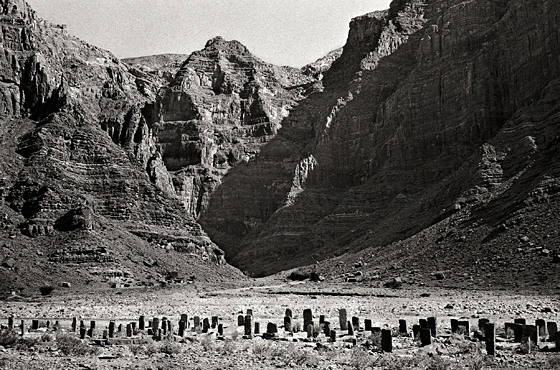
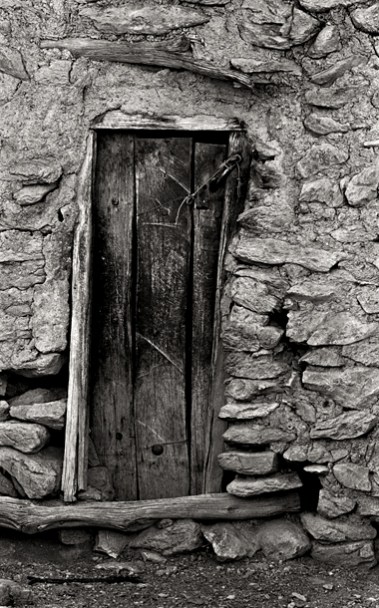
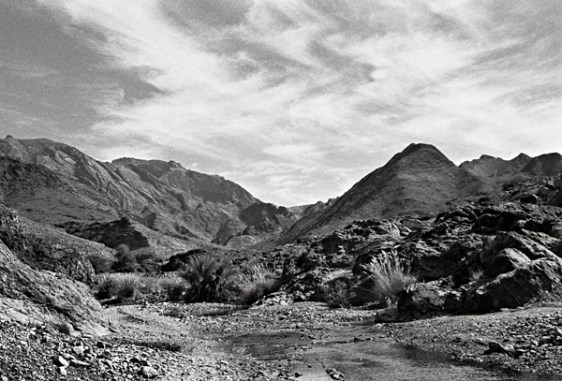
I used my Nikon 35Ti camera for the last three images taken at Wadi Bani Habib.

This is a nice small point & shoot (with a little more tucked up its sleeve) that I got for when I really want to go light, while out trekking.

The Nikon 35Ti from 1993 was the first Nikon compact camera that had a Nikkor (not “Nikon”) f2.8 lens

Nikon designed a unique, matched needle gauge cluster which gives information that relates to picture taking control. Shutter speeds are 2 sec to 1/500 sec with an ISO range from 25-5000, autofocus employed 833 steps for precise focusing from 1.3′ to infinity or you can manual focus via a pre focus method. Available Exposure control is Programmed or Aperture priority AE manual.

All in a strong Titanium metal case.
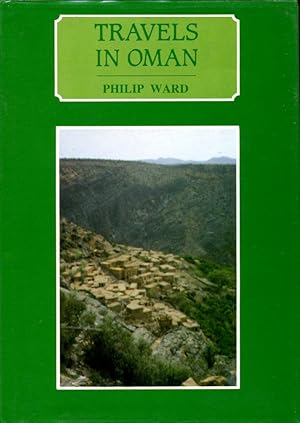
Travels in Oman (Arabia Past & Present) by Philip J Ward.

I have been re-reading:

Travels in Oman (Arabia Past & Present) by Philip J Ward.

Travels in Oman : On the Track of the Early Explorers: Philip Ward
Oleander Press (3 Nov 1986).

This is a very good book for anyone with a passing interest in the history of Oman, as it has many references to papers written by past explorers ( mainly the 19th early 20th century)

Colonel S B Miles on his Wadi Dayqah expedition in 1884 is fascinating because he entered the wadi from the ‘Devils Gap’ approach in Wadi Tayeen and paints a very vivid picture of the topography around him.

I first managed to retrace his steps in the early 90’s using an old ordinance survey map produced some time in 1966. They were not very detailed and it took me three expeditions until I found the correct approach as described. I have since been back a number of times and it is still the most dramatic approach into the wadi – far better than the Quriyat entrance.

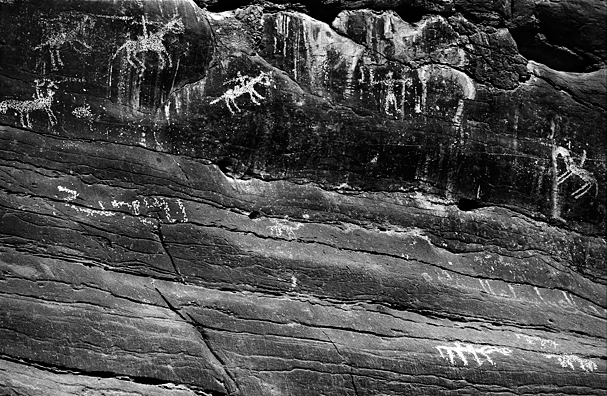
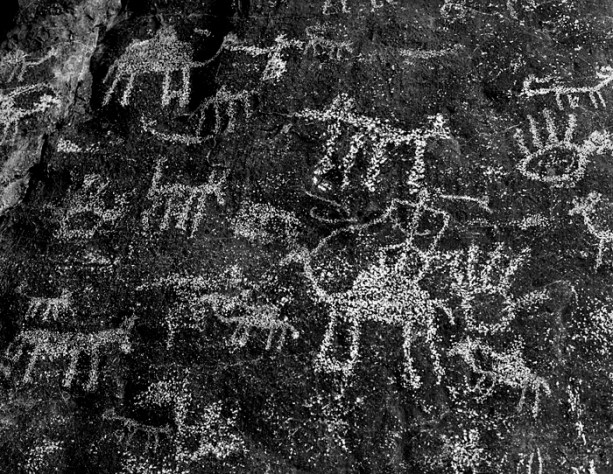
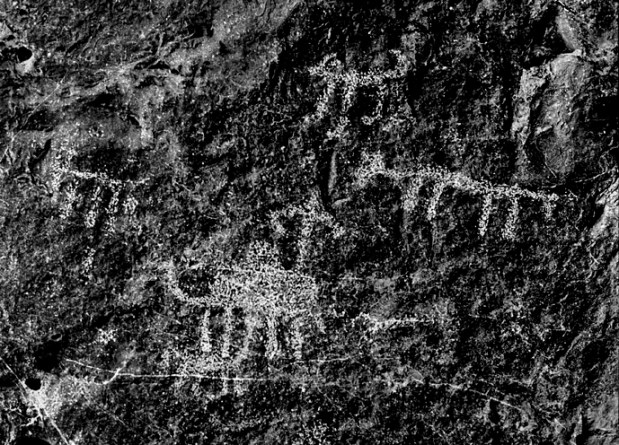
Rock Art of Oman.

There are numerous rock art sites found here in Oman, but it would seem that its cultural significance is lost on most of the indigenous population.

A search of the internet finds very little on the subject and The Journal of Oman studies has only the odd reference.

It can be rather difficult dating it; but given the subject matter, I would think using examples found in such places as Saudi Arabia and other areas of the Middle East; dating should not be outside the bounds of possibility.

Another reason is that it can be rather hard finding it; given that most of the really old examples are in places that are well off the beaten track. This may be a good thing though, because I have found some sites that have had ‘graffiti’ added (The only description I can come up with when I see ‘Kilroy’ was here or at least the Arabic/tourist equivalent) to pictograms that are maybe hundreds of years old.

Hilary Hahn on You Tube.

Hilary Hahn – Sibelius Violin Concerto op.47.

http://www.youtube.com Pt1

http://www.youtube.com Pt2

http://www.youtube.com Pt3

http://www.youtube.com Pt4

This keeps me going while I struggle trying to get scans looking anything like the silver gelatin print that can be achieved in the dark room. Remember early CD’s – dreadful things; all that could be said for them was that they were convenient! So there is hope for digital photography yet. As long as money is no object…….

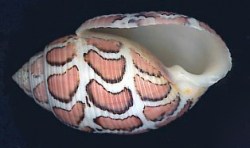
“Acteon Eloiseae”

“Acteon Eloiseae”

I have three of these shells – all taken from ‘Hermit crabs’ I even found the crabs another type of shell and encouraged them to move. Sad I know, but in the interest of conservation and because a number of irresponsible people have taken live shells; I was not about to do the same.