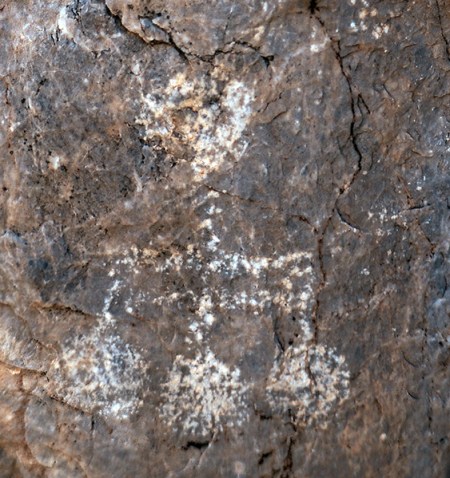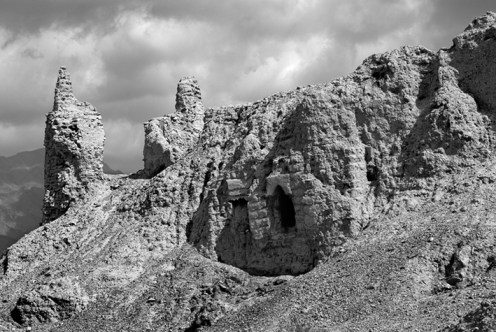
Ziki (Izki) 2.

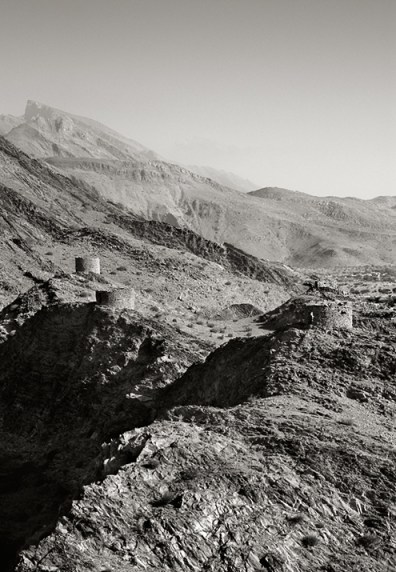
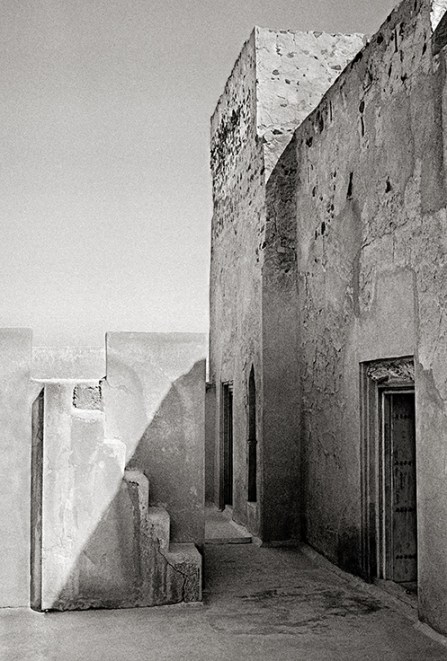
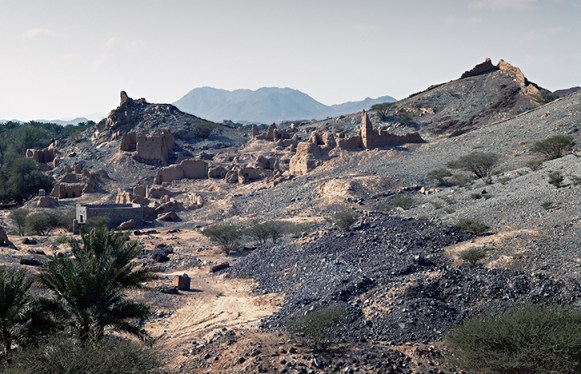
July 1957: at the request of the previous Sultan, RAF Venom jets flew 12 sorties against this fort; the results can still be seen.
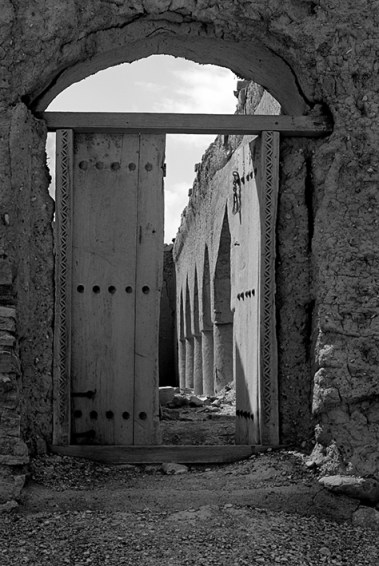
Izki (Ziki or Zikki) was described by Colonel S.B.Miles in the year 1876 as having “some beautiful plantations of palms and extensive cultivation, and stands in a very picturesque location” he also described the castle as being of a lofty construction and walls some 5 feet thick.

It is claimed to be one of the oldest towns in Oman and the falaj ‘Al-Mulik’ alleged to be older than the one built by Malik Bin Fahm near Nizwa.

In 1682 the town was taken by Malik Bin Fahm of the Yaruba dynasty, as part of his campaign to stabilise a large area of the country.

Over the years it has seen many a conflict, either between sections of the town; occupied by two different tribes (which is never a good idea) or just  establish a power base.

In 1957 RAF Venoms stationed at Sharjah attacked the fort at Izki with rockets and cannon.

See this link for further interesting infomation on this campaign. Jebel Akhdar Muscat and Oman 1957-59

In 1970 there was a rebel attack near the town which precipitated the succession of His Majesty the Sultan.
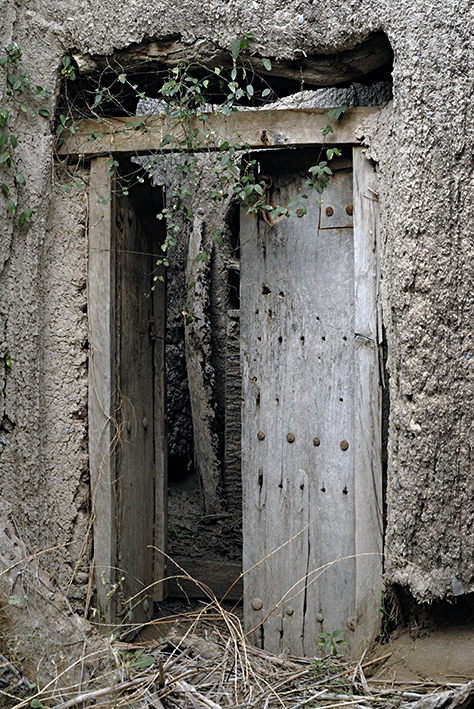
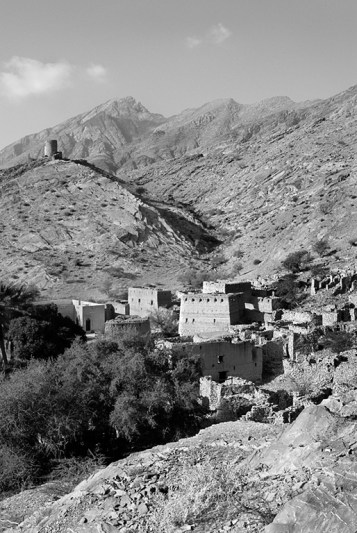
Above As Suwayh.

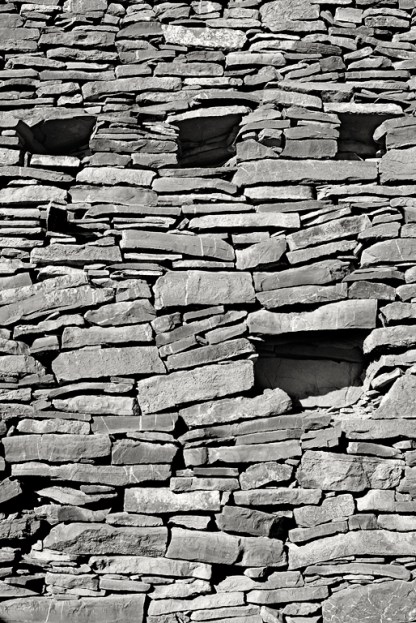
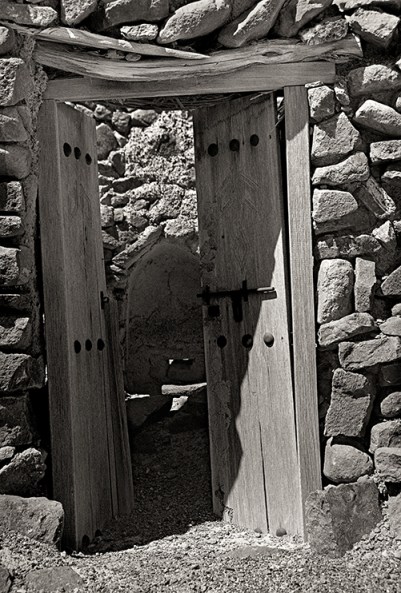
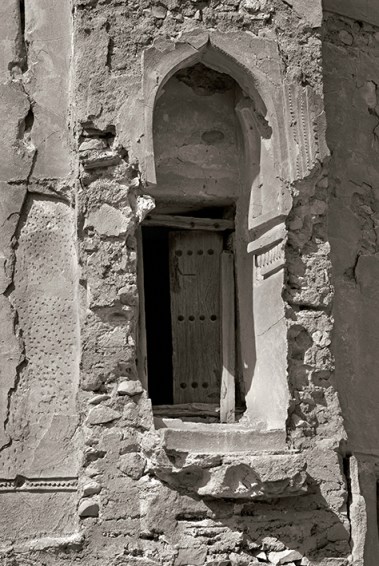
The abandoned village where this image was made, does not even get a mention on the ordinance survey map (NF-40-038) of 1961: the nearest is Al Hijir.

It is actually near As Suwayh, in fact perched on a rock outcrop above that village.

What with the inscription from an earlier entry, this place has some history about it. Another village which I find has three areas of habitation; moving down the mountain (Jebel) in stages as the years goes by.

Another from the Muti (Imti) series.

MutiMuti (Now known as Imti)

This proved to be a very enjoyable morning; I had intended going back to the ruins behind Izki (Zikki as it was known) but diverted to Imti.

A short diversion as I thought turned into a whole morning out and the promise of another visit.

I have passed this place many times over the years and always promised a visit, but it never happened. I knew there were ruins at the back of Imti from various reference books and manuscripts held by The Royal Geographical Society (thank you Google) but it was never sufficient to spur my interest.

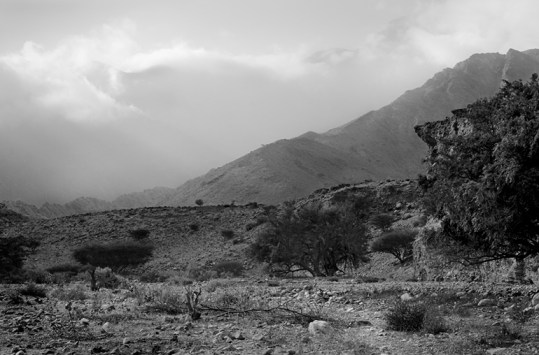
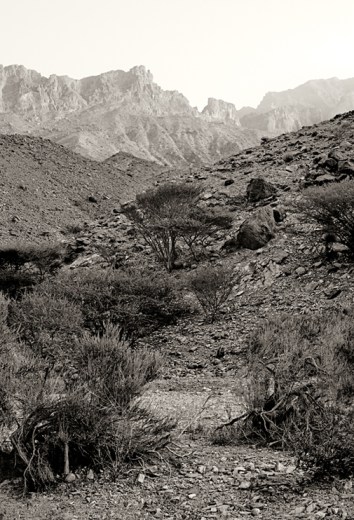
Wadi near Nakhal.

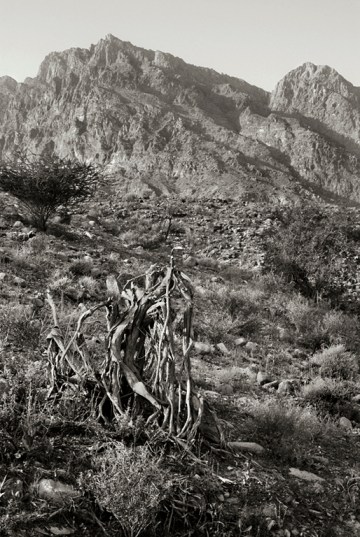
 Wadi near Nakhal – cannot find a name on any of the maps I have.

To quote Donald Rumsfeld.

“there are known knowns; there are things we know we know. We also know there are known unknowns; that is to say we know there are some things we do not know. But there are also unknown unknowns — the ones we don’t know we don’t know.”

I have been searching for why I knew that at the end of this wadi there is an abandoned SAS camp; now occupied by some local families.

But no luck so far and my memory for useless information is good but always let down by source references……….

So I think this wadi is either Wadi Raqim or more likely Wadi Al Hadak.

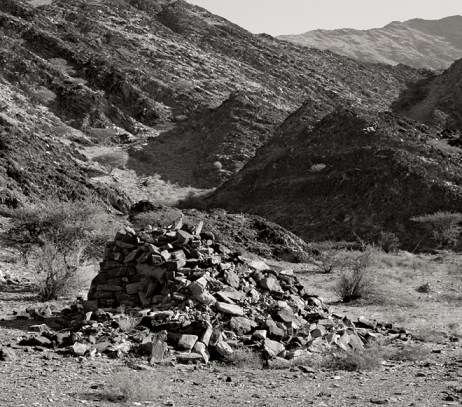
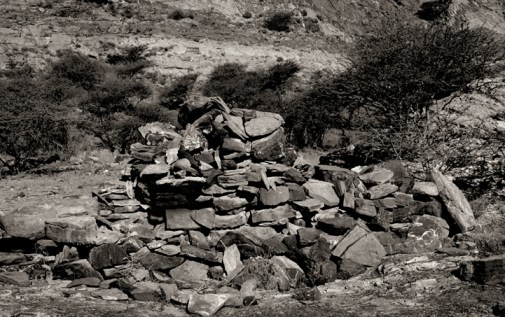
Ho well; either way, it has some nice scenery and the remains of a few Bee-Hive tombs.

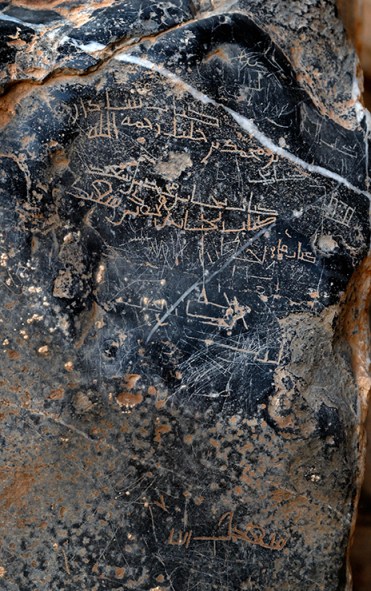
Rock Art at As Suwayh.

Update to the above:

I have been doing a little research on the inscription and with the help of Omani friends and colleagues; we have a fair translation. Please correct me if I have got the translation totally wrong (I don’t think I have but who knows) 3rd of Dhu AlHijjah 1237 H is 23/08/1822 G.

 “On Thursday the 3rd of Dhu AlHijjah 1237 Hijri the scholar father of Nabhan. Jaiid bin Khamis bin Mohammed bin (?) bin Zaid bin Mansour Al Kharoosi Al Abadhi Al Omani has died. Written by his son Khamis”

 But why it was inscribed high up on a rock in the dark entrance to a narrow wadi, we are not sure, it could be that this is where he died….?

 He was a very famous Omani scholar of the Ibadi religion.
Back from holiday.

Although a little late – Happy New Year.

I have just spent a month in wind swept UK: cold wet and windy so nothing new .

The weather is definitely returning to what I remember in the 50’s and 60’s; where is ‘global warming’ – ho sorry climate change… when you want it?

Maybe it is the little ice age that was predicted by the experts during the 1970’s !

I now have the MF 23 for my Nikon F4 and although it was in ‘used condition’ Grays of Westminster  has sent me another Nikon item in mint condition, that can only be described as ‘new’ because one is hard pressed to tell it is not.

I have also decided to keep the D200 that I have been testing (playing with)  for a number of weeks now. I must admit that it is a nice camera to use – once I found my way around the menu settings.   One caveat, there is always one! ‘Blown Highlights’ I MUST watch the histogram.

Set-up as near as I can get to my F4, even down to using the Tokina AT-x 35–70 F2.8 manual zoom lens.

No more chasing around for colour chemicals (well maybe E6, although not much chance here in Oman…….! ) pity I cannot afford (justify) one of those digital to analogue (paper) enlargers that got a mention a couple of years ago.  DE VERE 504DS.

Rock Art near Qabil Al BuSaid.

Update:

This site should come under  the Ministry of Heritage and Cultures  protection, but probably like the one at Hasat Bani Salt; a fence will be put up and the site promptly forgotten!


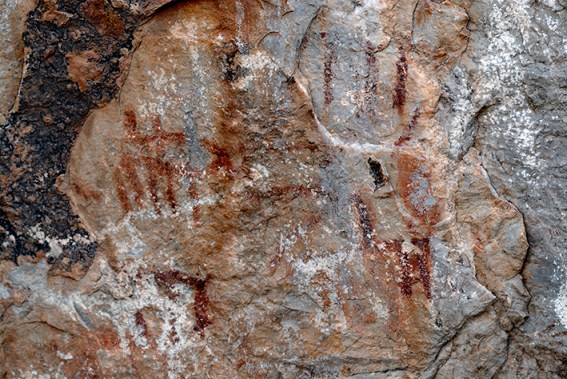
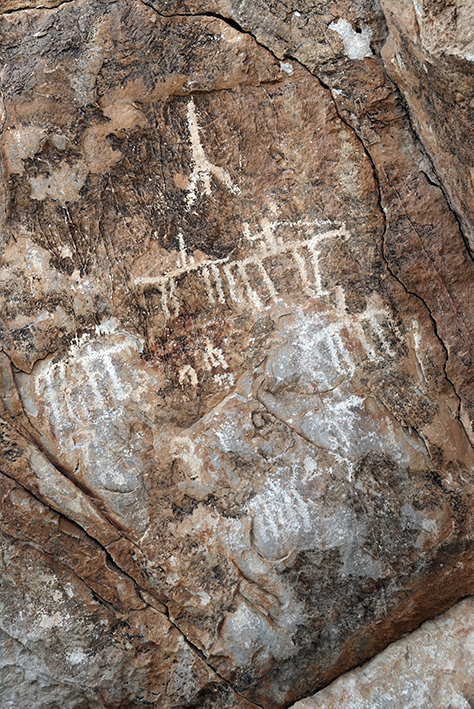
The following series of images are from a rock art site quite close to Qabil Al BuSaid in the Ash Sharqiyah Region.

A friend who lives in Al Mudaybi gave me directions to the area (also thanks to Google Earth which I used to pin-point probable rock outcrops) he said that there is some rock art that I might be interested in: how right he was….

This is the first site where I have seen ‘Finger Painted’ art outside the Salalah area.

I will have to do some more research, because so far I have not come across any reference in the literature that I have, which refers to finger painting, other than in Salalah.

Note the Red Ochre coloured finger painting; some of the images have become very faint with age.

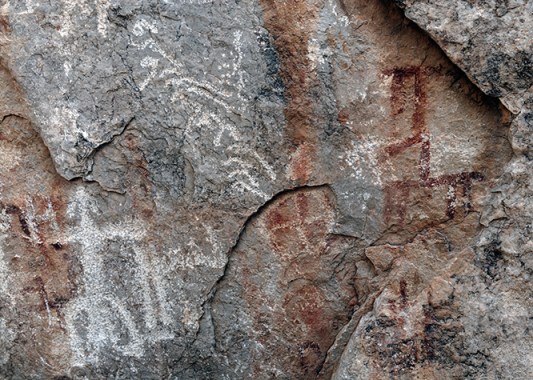
The above image shows a number of ‘Wusum’ or tribal markings: Dr Majeed Khan, a leading authority on Arabian rock art, has produced a book on the subject that is available for download from these two links Wusum-The-Tribal-Symbols-of-Saudi-Arabia-Part-1 and Wusum-The-Tribal-Symbols-of-Saudi-Arabia-Part-2 a very interesting read.

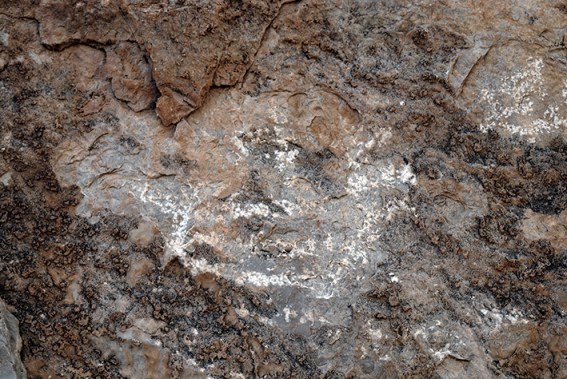
This looks like a 1600’s Galleon, but why would someone peck it out on a rock so far inland?

I need to go back! I did not get the focus quite right on this one…… That will teach me; when working in B&W I always take at least 3 just in case I mess up. Trying to conserve materials is never a good idea.