
 Early morning visit: Wadi Bani Kharus (04:30 alarm clock goes off and no turning over and saying I’ll do it next week) 😉
I escaped early this morning for a visit to Al Elya village in Wadi Bani Kharus. The first time I have been back since a new black-top road was completed from Al Awabi to the village of Al Alya. (did go recently and look at what had been done to the 200 year old Awabi fort since it has been renovated: it’s now actually a new fort built in the style of the old) ho well; I suppose the Ministry of Heritage & Culture know what they are doing. It’s a nice fort but no character and the old one was rather dilapidated so can’t have the tourists hurting themselves.
I must admit that the road makes the journey a lot easier, although far less fun……..
This Wadi is time travel: 600 million years of it in terms of geology; the deeper you go, the older the rocks get.
Tag: AF-S Nikkor 35mm f1.4G
Windows & cooling air vents.
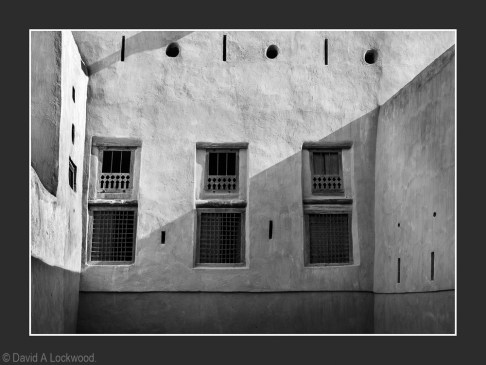
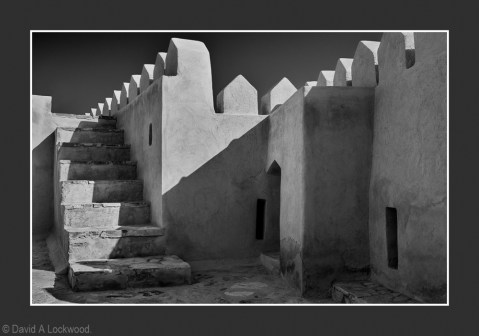
Steps & wall – Rustaq Fort.
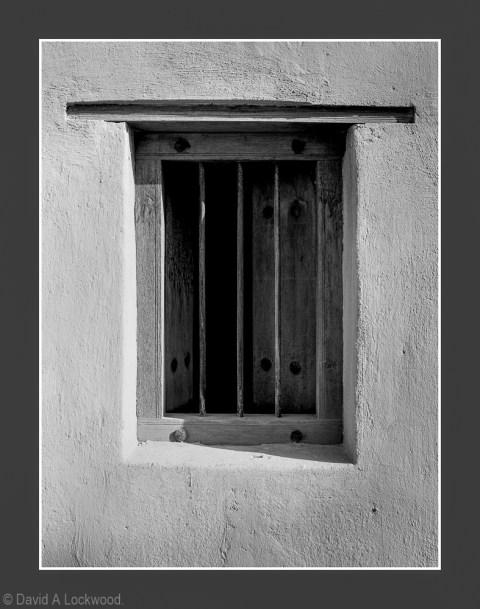
An open window – Rustaq Fort.
One of Rustaq Fort’s Towers.

A locked door – Rustaq Fort.

Rustaq Fort No4.
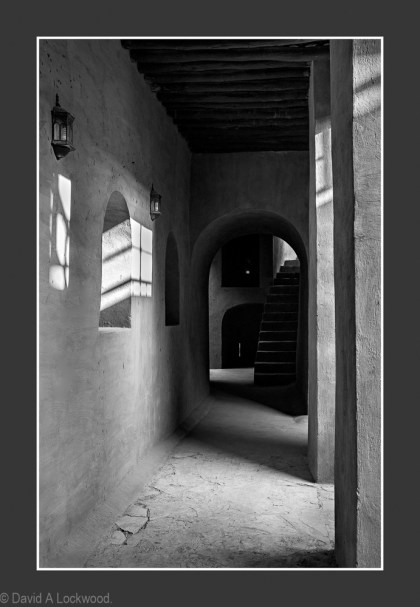
Cannon – Rustaq Fort.
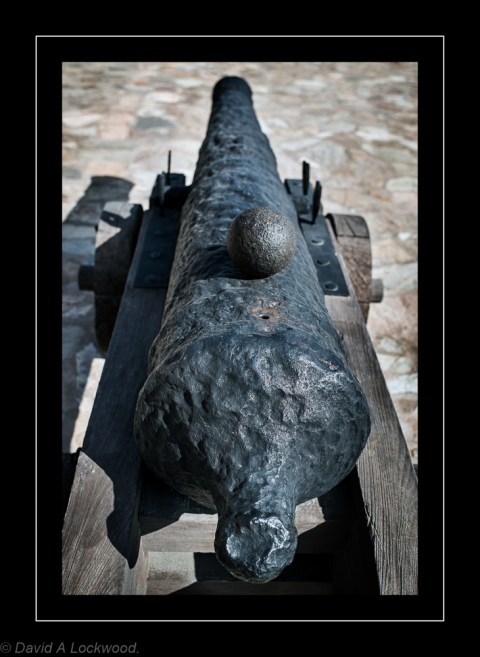
Rustaq Fort.
 Nikon D800 – AF-S Nikkor 35mm f1.4G.
(As usual – where do I find a straight line!)
Another early morning impromptu trip.
Rustaq: once the capital of Oman, during the era of Imam Nasir bin Murshid al Ya’arubi. (The one that suggested in 1620 that the Portuguese should leave Oman – he gave them an offer they could not refuse! by 1650 they were all gone and if the Omanis had their way; never to be seen again)
Rustaq Fort: originally known as Qalat Al Kisra was constructed in the 13th century. Recently refurbished, like many of the more significant forts in Oman.
It has a wall around the inner castle (similar to ‘Norman’ construction in the UK) A falaj runs through the fort to supply water for the inhabitants. Should this become contaminated, they were able to rely on a well, giving them the ability to withstand a long siege. One feature of Rustaq Fort is its four watchtowers: Al Burj Al Ahmar (The Red Tower); Al Burj Al Hadeeth (The Modern Tower); Al Burj Al Reeh (The Wind Tower); and Al Burj Ashiateen (or The Devil’s Tower).
More images to follow 🙂
 David A Lockwood