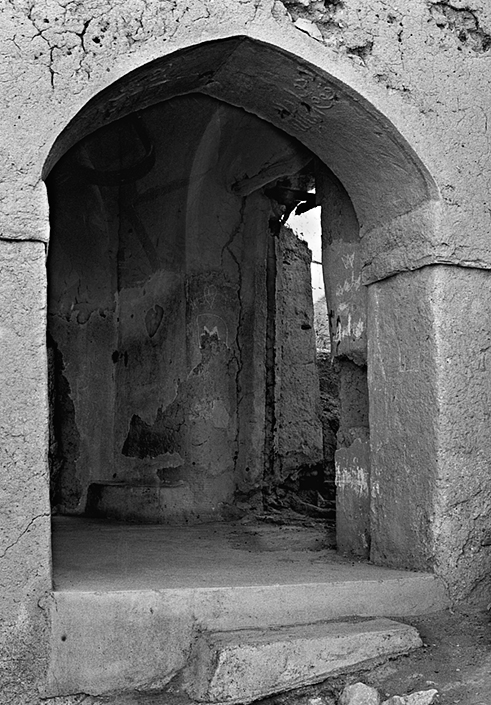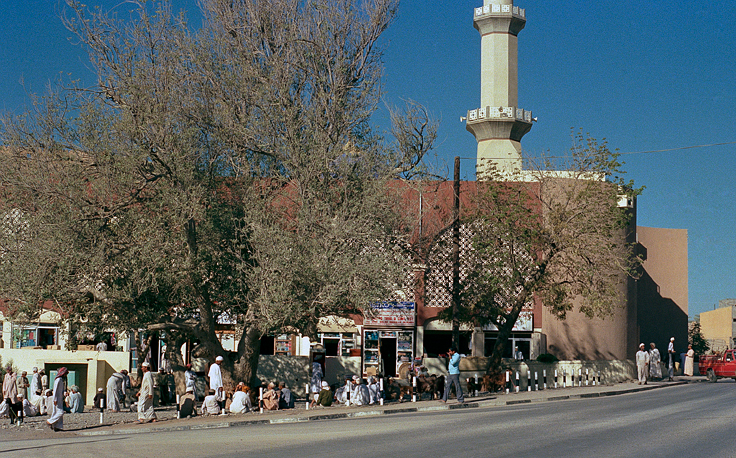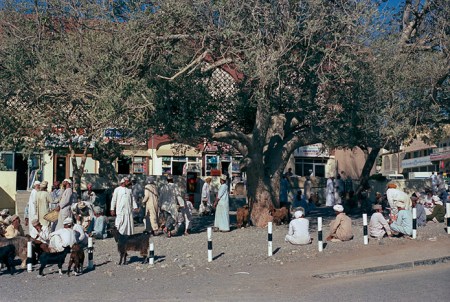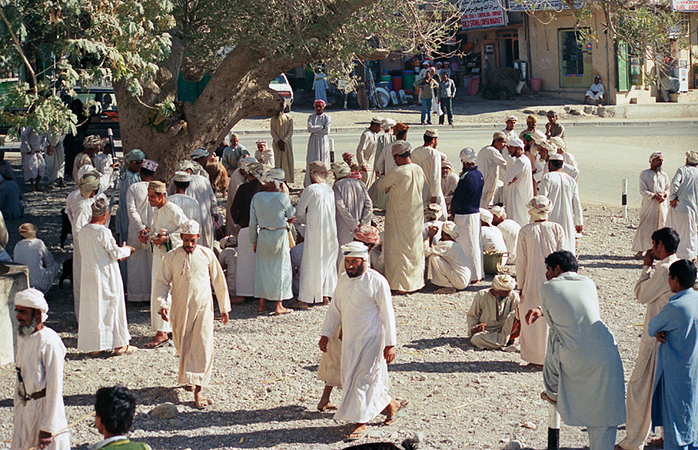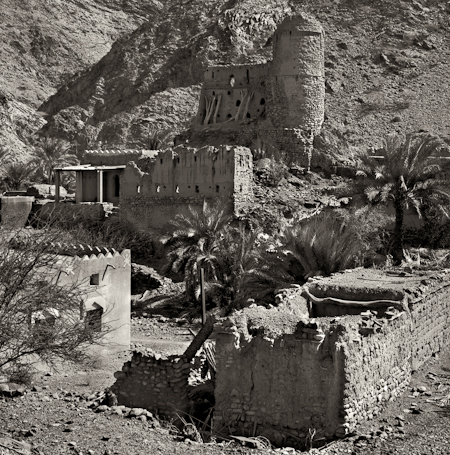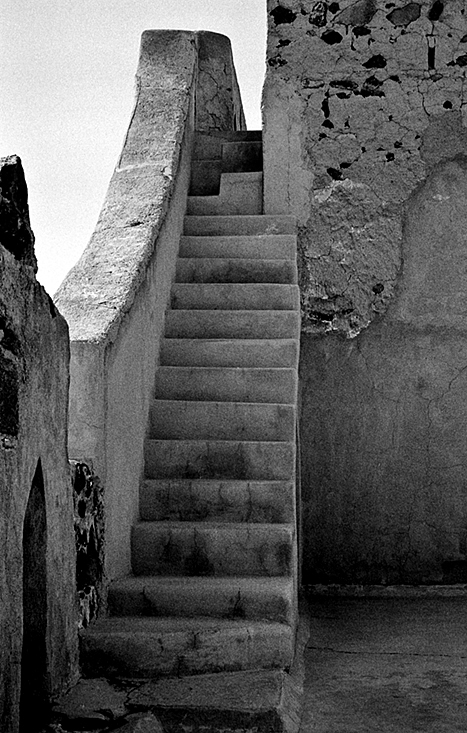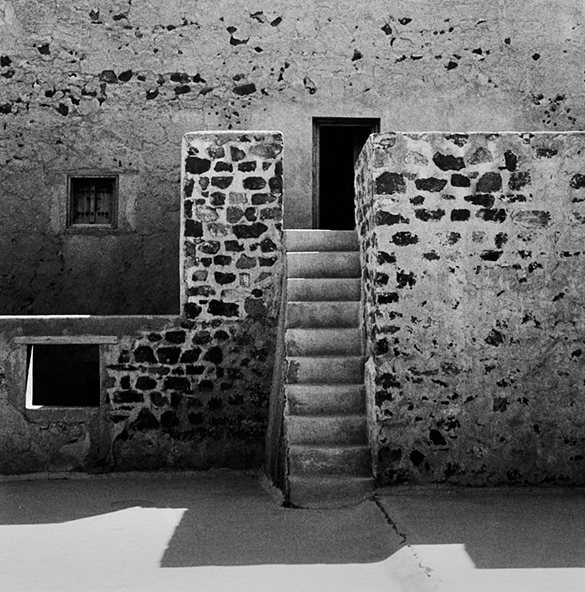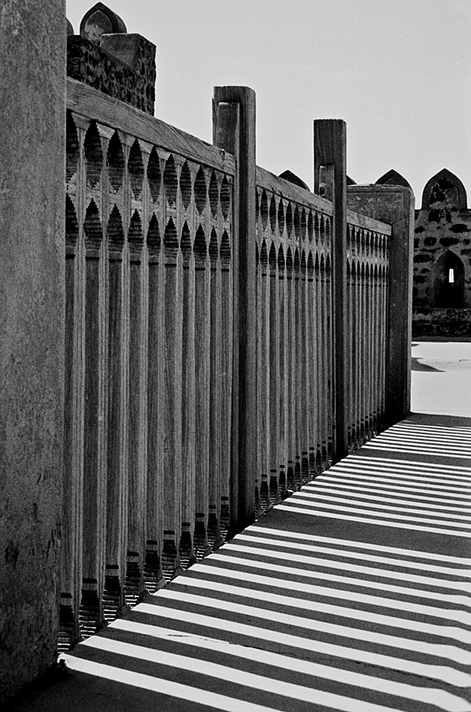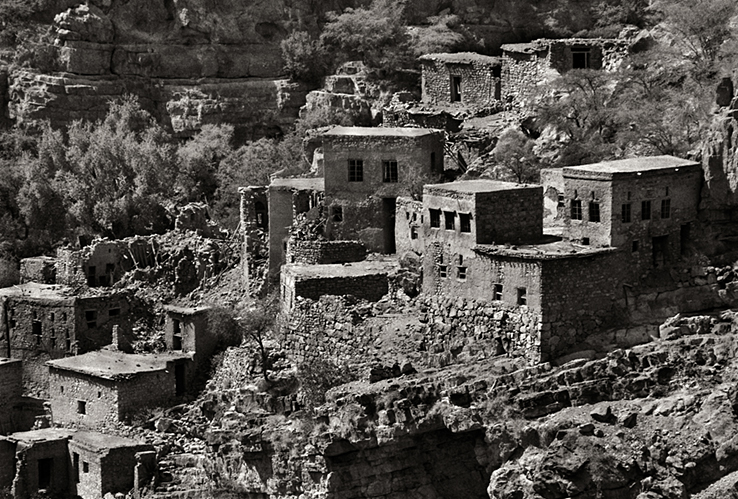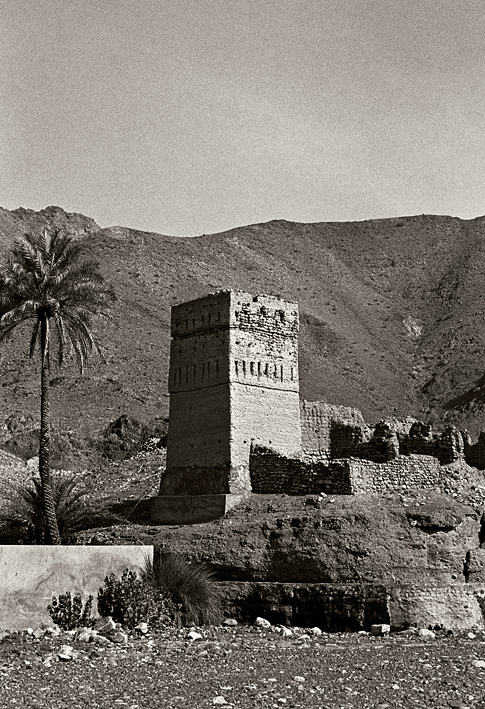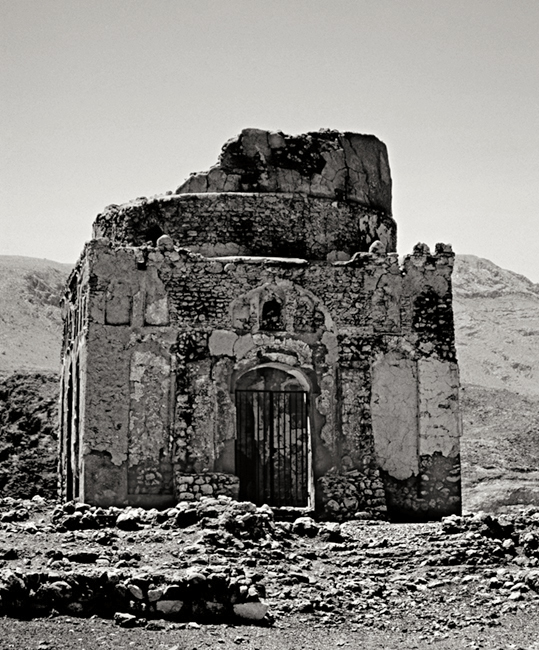
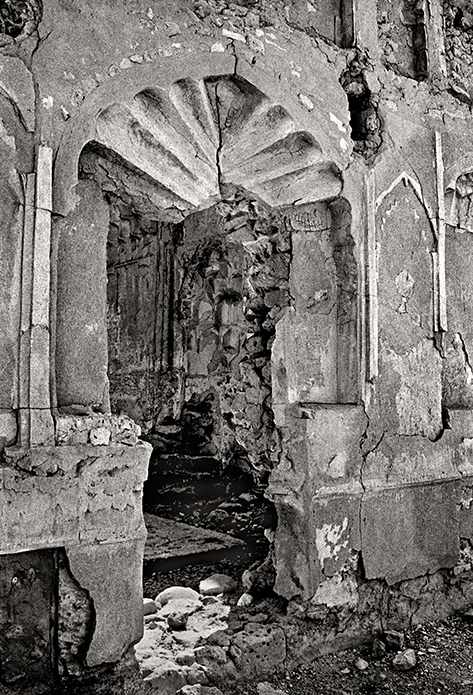
Qalhat.

Mausoleum of Bibi Maryam.

Qalhat is about 20km from Sur, follow the new coastal road from Muscat.

The mausoluem built by the wife of Baha al-Din, Maryam, is thus call the Bibi Maryam mausoleum. Located on the coast near the town of Qalhat, described by Marco Polo and visited by Ibn Battuta in the second quarter of the fourteenth century.

Philip Ward’s Travels in Oman about Qalhat:

At the end of the fourteenth century Qalhat was struck by a heavy earthquake that destroyed many of the city’s buildings and falaj systems. In 1507, the Portuguese arrived in Oman ransacking Quriyat and then in the following year they destroyed Qalhat, killing many of the local population.

Portuguese quote:

“They did not stop to put fire to the building until it was completely burnt down….”

See entry World Heritage Centre from the link below.

http://whc.unesco.org

Hasat Bani Salt in the al-Zahirah Province of Oman.

Anyone interested in more information about the rock carvings depicted in the previous three images can look at this link.

archiv.ub.uni-heidelberg.de/propylaeumdok

when you open the link Click on:  Dokument 1 .pdf (1.455 KB) – it is in English….

For those that have the books, it can be found under: Sacred places in Ancient Oman. Journal of Oman Studies 11: 133-138; Yule, P., 2001. The Hasat Bani Salt in the al-Zahirah Province of the Sultanate of Oman.

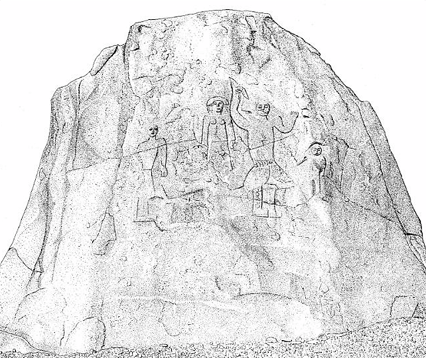
Hasat Bani Salt or (Hasat Bin Sult).

Hasat Bani Salt or (Hasat Bin Sult).

A  block of limestone near Al Hamra; which has four near life-size human figures depicted in relief on its main face, these having been hammered out of the rock.

Age is not certain, but pre-Islamic and probably in excess of 3000 years old.

It has been disfigured at its base by graffiti! Terrible, because it is one of the most important archaeological finds in this part of the Middle East.

The carvings were “found” in the 1970’s by Coleman, a geologist who made contributions to the understanding of local ophiolites. This is why the rock is known also as ‘Coleman’s rock’.

The rock is at:


Drawing taken from Yule.P 2001.


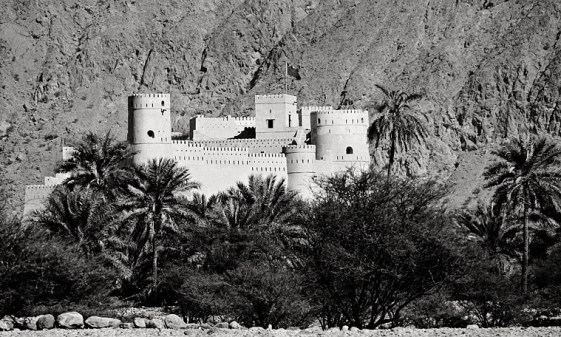
Nakhal Fort.

Nakhal Fort in the Batinah region has pre-Islamic origins, with major contributions by both the Ya’aruba and Al Bu Said dynasties.

In 1995 the fort was repaired; but up until then it was described as the ‘Black’ fort and that is what I saw on my first visit back in 1986. Even in its dilapidated state it was still an impressive building with dark grey almost black walls. Now it is a rather nice honey colour and is somehow  less ominous as it looks down on the surrounding area.

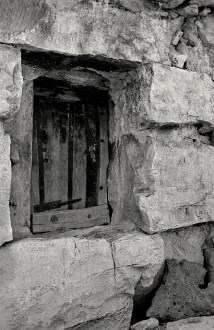
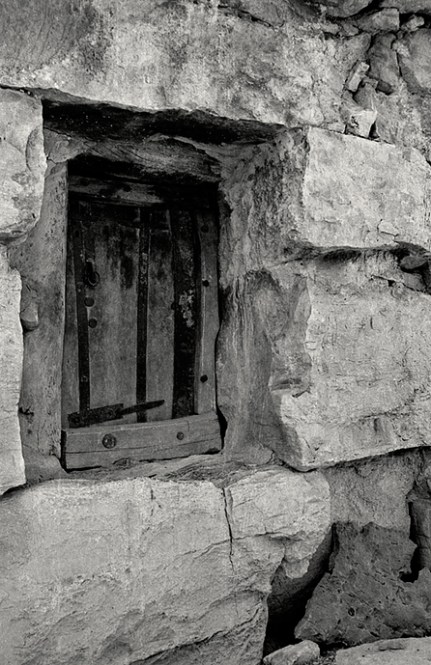
“bait al qufl” Jebel Harim.

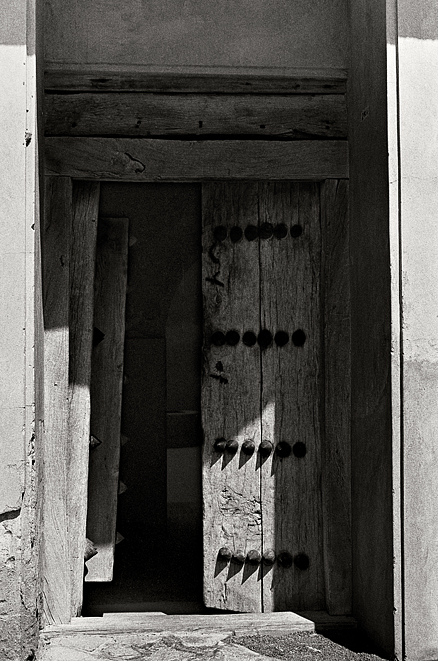
The photograph below shows the door of a building called a “bait al qufl” (house of locks) built for protection from the elements. The floor, a metre or so below ground, has raised stone slabs for eating, sleeping and storage. The recessed door has a double locking system and opens inwards, one does not get in without being asked!

When I first came across one of these while trekking on Jebel Harim; the door was not locked and the place seemed abandoned, so what a shock I had when pushing the door open and stepping from bright sunshine into the dark interior – I fell in! Luckily my camera was on a tripod and not in my hands.