
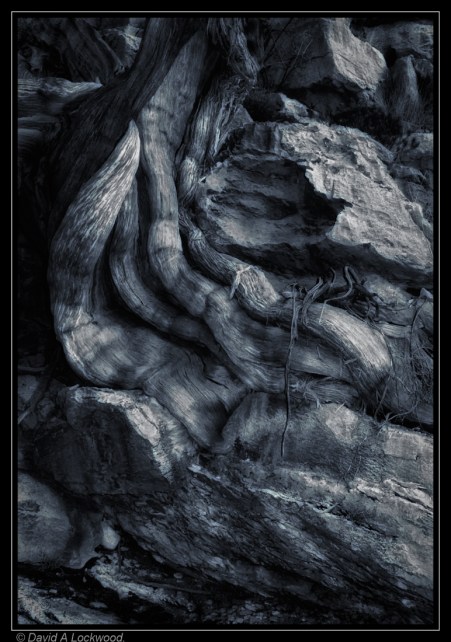
 Roots – diffused & split-toned.
Nikon F4 with Nikkor AF 50mm f1.8D.
Roots – diffused & split-toned.
Nikon F4 with Nikkor AF 50mm f1.8D.
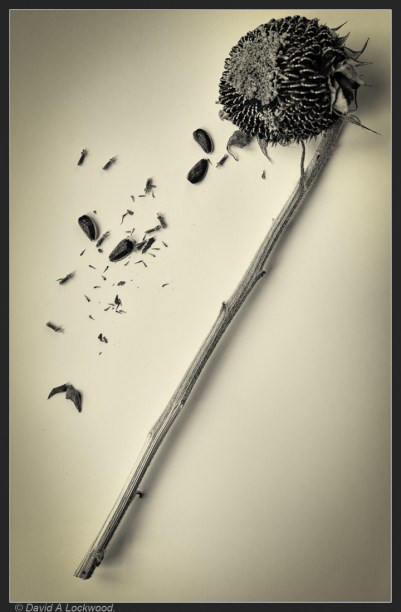 The last stage in the life of those Dwarf Sunflowers I found upon arrival back from my holidays.
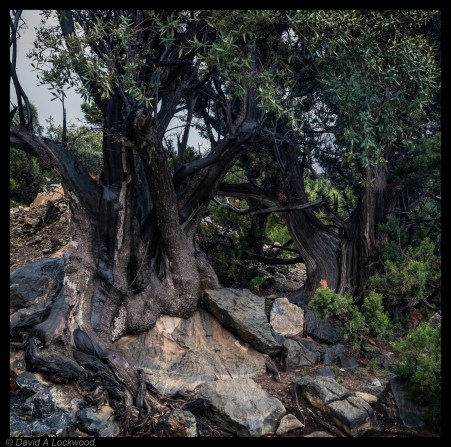 Wild Olive – Jebel Shams @ about 7500ft.
 Fuji X-pro1 with XF. 27mm f2.8 lens.
A very wet & slippery road – 4×4 in low ratio is a must ! as this was made at about 9000ft.
 Fuji X-pro1 with XF. 27mm f2.8 lens.
A few days work at Jebel Shams last week – on the day of return it was fog & rain….. again.
A very moving memoir of a young Holocaust survivor:
 A relatively short book of 112 pages, but very moving & what hit me the most was the comment:
“……….Surviving makes other people’s tears unbearable. You might drown in them “
P.s. I might add that this was one of those books I read from beginning to end over one day – after the first few pages, I just could not put it down.
 Fuji Neopan 400 Professional @ Iso 320 in Kodak Microdol-x 1+3
Nikon F2sb with Micro Nikkor 55mm f2.8 AI-s lens.
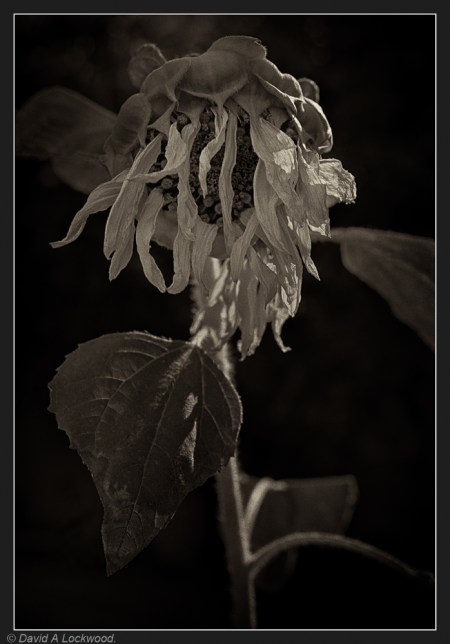 Fuji Neopan 400 Professional @ Iso 320 in Kodak Microdol-x 1+3
Nikon F2sb with Micro Nikkor 55mm f2.8 AI-s lens.
 A rather wet village after a couple of days with prolonged heavy rain.
 A trip cut short by heavy rains and a met-office warning of more….
But it was not enough to stop me making a few quick images of the rain-swept Jebel with all its contours & colours. Although I needed the protection of an umbrella – not for me but the camera 🙄 & yes I carry a small one in the Land Rover: even Oman requires me to use one occasionally.


Bronica S2a with Nikkor P 75mm f2.8 lens: made on Ilford Delta 400 Asa.
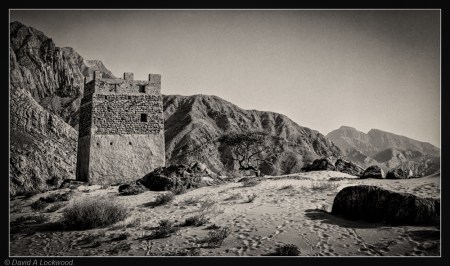 Beach watch tower near Bukhā on the Khasab coastal road.
Yashica 124G on Ilford HP5plus.
This whole section of coastline was (even a little today !) known for its piracy. Mentioned on official maps of the area as The Pirate Coast, recognised as such, all the way back to around 694 BC, when Assyrian pirates attacked traders travelling to and from India via the Persian Gulf.
One of the earliest mentions of piracy by the British came from a letter written by William Bowyear: East India Company Resident at Bushire, and his assistant, James Morley, to Henry Moore, East India Company Agent at Bussora, dated 13 July 1767
It describes a rather brutal Persian pirate named Mīr Muhannā:
“In his day, he was a major source of concern for all those who traded along the Persian Gulf and his exploits were an early factor, beyond purely commercial concerns, that led the East India Company to first become entangled in the politics of the region”
Samuel Marinus Zwemer, while traveling in the area has several interesting references about the safety of travellers: a snippet –
Oman and Eastern Arabia S. M. Zwemer: Journal entry 1907.
It may be of interest to note our mode of travel in this primitive country, where there are no beasts of prey but where every one goes armed for fear of his neighbour. I quote from my diary:
……..Our guides proceeded mounted, but with their rifles loaded and cocked; then followed the baggage-camel, to which mine was towed in Arab fashion by hitching the bridle of the one to the tail of the other; in like manner, my companion rode his beast fastened to the milch-camel, followed by its two colts.
Around 1805, the Wahhabis implemented a system of organized raids on foreign shipping. The vicegerent of the Pirate Coast, Husain bin Ali, compelled the Al Qasimi chiefs to send their vessels to plunder any trading ships of the Persian Gulf without exception. Rather lucrative because he kept at least 1/5th of the plunder for himself.
At the end of the 1809 monsoon season, British authorities in India decided to make an example of the Al Qasimi once and for all. An expedition was sent to destroy the largest of their bases and as many ships as could be found; an added bonus was to counteract French encouragement of these pirates from their embassies in Persia and Oman. By the morning of 14 November, the military expedition was over and the forces returned to their ships, suffering light casualties of five killed and 34 wounded. Arab losses were unknown, but probably significant and the damage done to the Al Qasimi fleets was severe: as a number of their vessels had been destroyed at Ras al-Khaimah.
The Pirate Coast was later called the Trucial Coast after the Treaty of Maritime Peace in Perpetuity was signed in 1853, giving the Royal Navy responsibility for the protection of shipping. It also set the seeds for what would later become the United Arab Emirates.
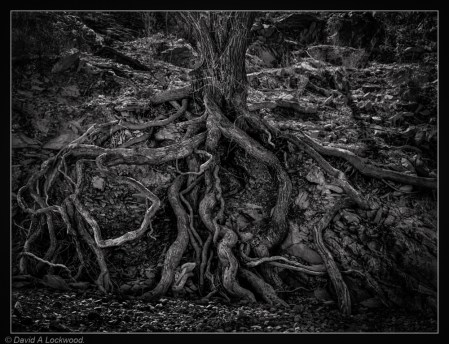 Convoluted tree roots.
Pentax 645 with Smc Pentax-A 75 mm F2.8 lens. Ilford HP5 plus @320 Iso.
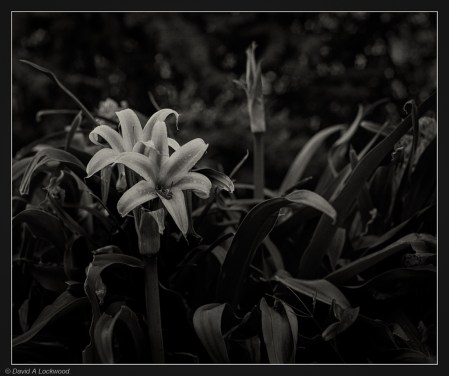 Another garden flower from my files – re-scanned & developed in Lightroom.
Pentax 645 with Smc Pentax-A 75 mm F2.8 lens. Made on Ilford HP5 plus @320 Iso.
And now my memories are fading
Like melting footprints in the snow
It’s a long time since I last listened to John Mayall – very remiss of me ……… but rectified with a complete discography being donated my way 🙂
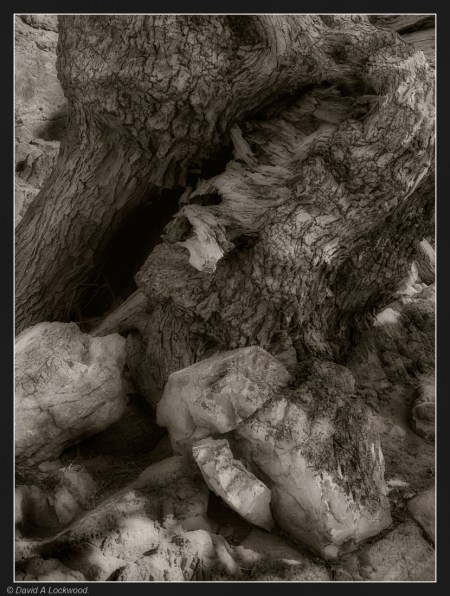 Rock & branch detail No2. (Diffused with lens filter)
Pentax 645 with Smc Pentax-A 75 mm F2.8 lens. Made on Ilford HP5 plus @320 Iso.
 Rock & tree branch detail.
Pentax 645 with Smc Pentax-A 75 mm F2.8 lens. Made on Ilford HP5 plus @320 Iso.
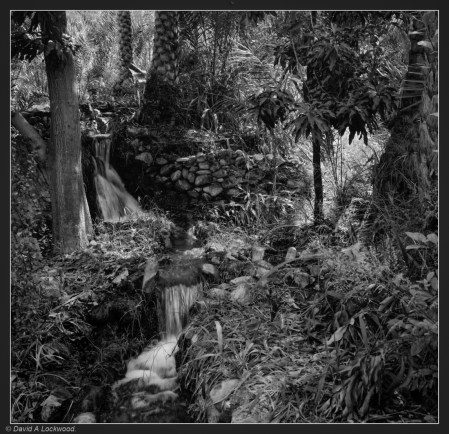 Abandoned garden No2.
Yashica 124G on Ilford FP4 plus @ box speed.
 Abandoned garden.
Yashica 124G on Ilford FP4 plus @ box speed.
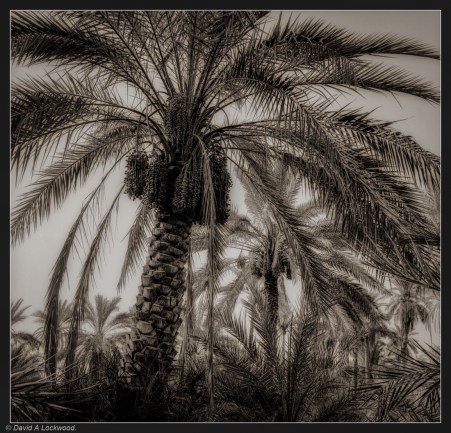 Date palms.
Bronica S2a with Nikkor P 75mm f2.8 lens: made on Ilford FP4 plus @100Asa.
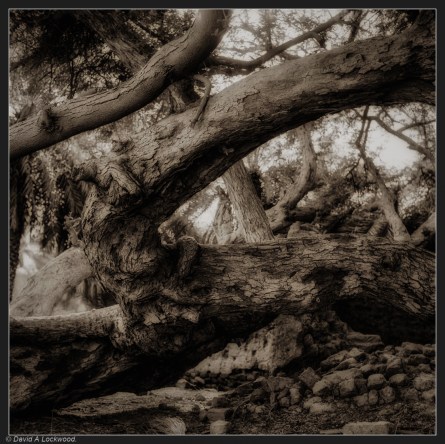 Tree trunk detail.
Bronica S2a with Nikkor P 75mm f2.8 lens. Ilford FP4 plus @100 Asa.
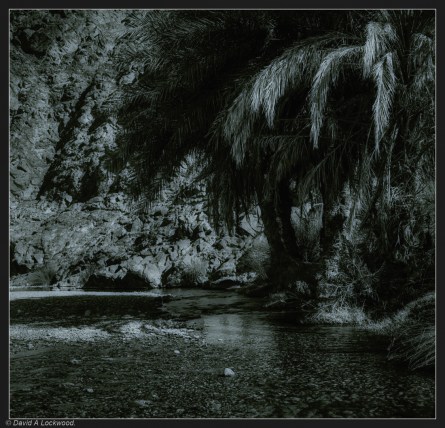 Palms – Wadi Abyad.
Bronica S2a with Nikkor P 75mm f2.8 lens.
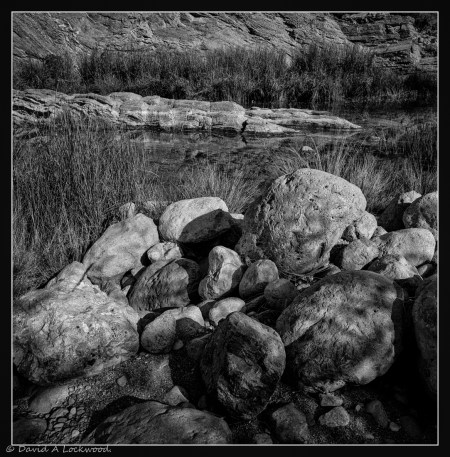 Bronica S2a with Nikkor-O 50mm f2.8 lens. Made on Ilford HP5 plus @ 320 Asa.
Another loss: Umberto Eco died yesterday.
Books are not made to be believed, but to be subjected to inquiry. When we consider a book, we mustn’t ask ourselves what it says but what it means……… Umberto Eco.
Three of his books I really enjoyed.


I don’t normally mention much about politics but could not resist after our dear leader (Cameron) came back from Europe last night, clutching his piece of paper……..
It made me think of a poem by Henry Wadsworth Longfellow: here is the section that seemed to sum up his machinations.
The Masque Of Pandora.
PROMETHEUS (entering.)
Who was it fled from here? I saw a shape
Flitting among the trees.
EPIMETHEUS.
It was Pandora.
PROMETHEUS.
O Epimetheus! Is it then in vain
That I have warned thee? Let me now implore.
Thou harbourest in thy house a dangerous guest.
EPIMETHEUS.
Whom the Gods love they honour with such guests.
PROMETHEUS.
Whom the Gods would destroy they first make mad.
EPIMETHEUS.
Shall I refuse the gifts they send to me?
PROMETHEUS.
Reject all gifts that come from higher powers.
 David A Lockwood