
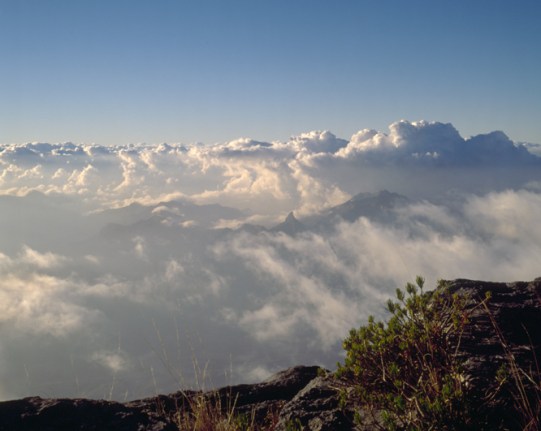
 Nikon F4 – E6 Kodak Professional Ektachrome E100VS. Sadly this is from some of the last in my freezer; gone like a lot of other good film.
Above the clouds.

Dark room printing.
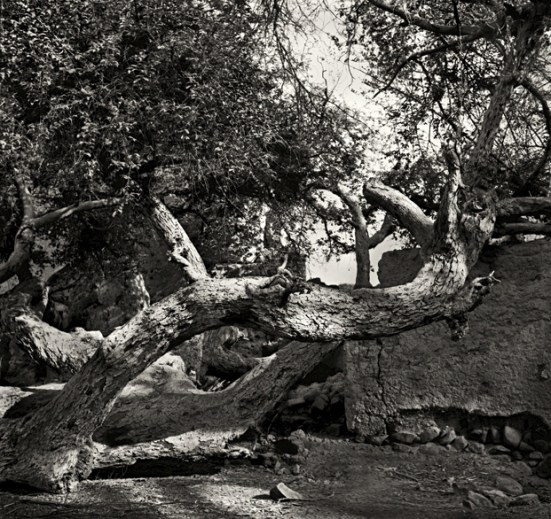
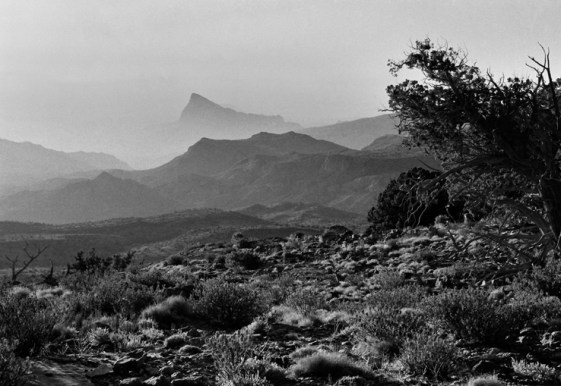
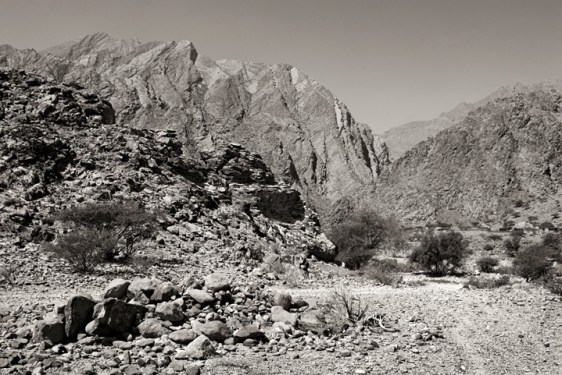
Unbelievably the pile of stones in the foreground of the above is the remains of a 3rd millennium BC cairn tomb. The local description is that they are ‘wolf traps’ but as I know what one of these traps looks like; found on Jebel Shams, this is definitely not such an item.
 Getting my fingers into paper and chemicals……….! scans from my flatbed.
Vivaldi: Le quattro stagioni (Summer) – I Musici.
Arvo Pärt.
I have (am) trying to get a handle on Adobe CS5 – this music keeps me from shouting at my computer…..! it is so much easier in the darkroom.
Some times I wonder why I got the Nikon D200 – don’t get me wrong, the camera is very good but….. it is all that goes with it that I find a pain.
Maybe one cannot teach an old dog new tricks.
Music on a Friday could get a habit!
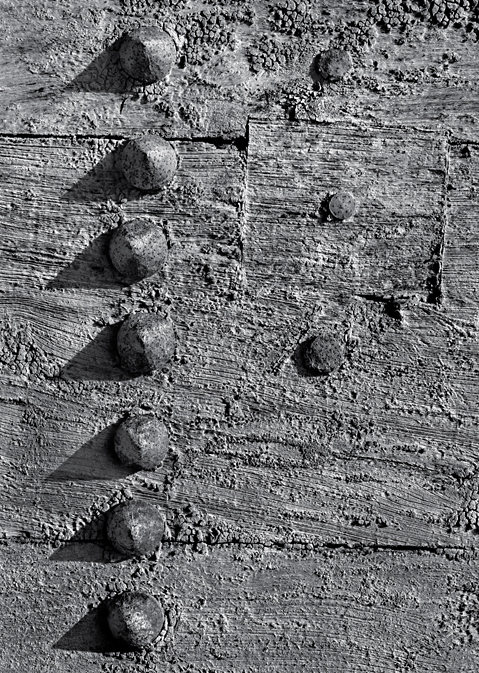
Door Detail.
Wadi Halfayn.

Wadi in full flow.
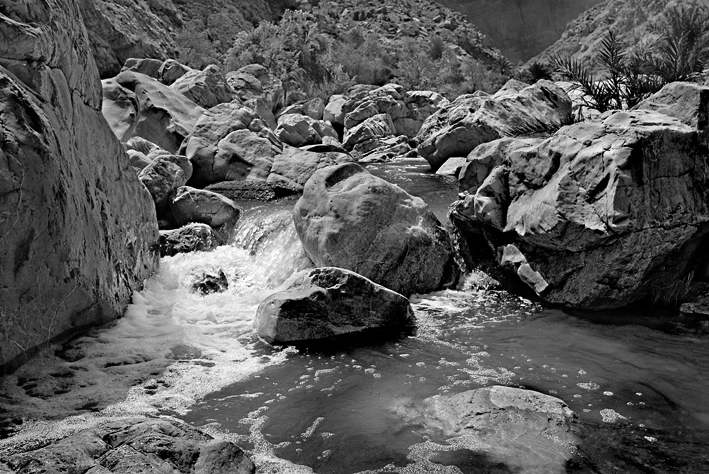
Wet feet for this one…..fortunately I have a Uni-loc tripod with water tight legs!
Two Shells.
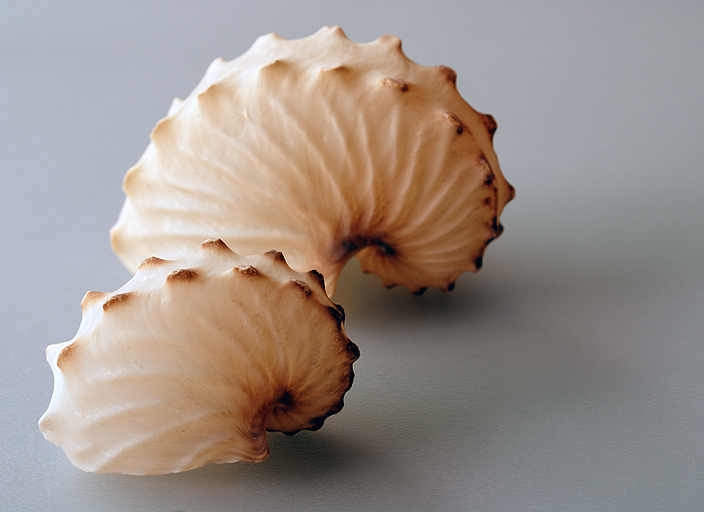
Thanks Chas.
Omani Dates.
 Omani dates being dried in the sun prior to storage.
I have tasted dates from many different countries but none are as nice as the ones here in Oman (for those in England – remember the oval box that gets sold for Xmas, terrible cardboard taste) they would be embarrassed to sell that type here.
Philip Glass.
Some Philip Glass to round off a good week.
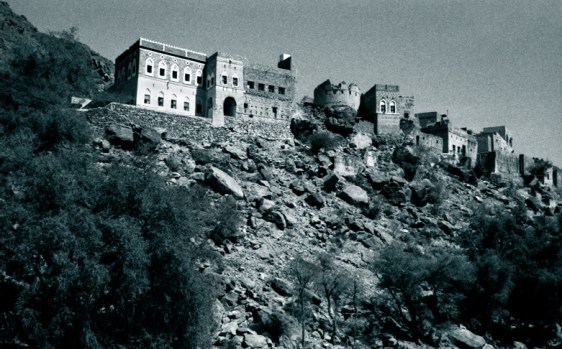
Wadi Ghul.
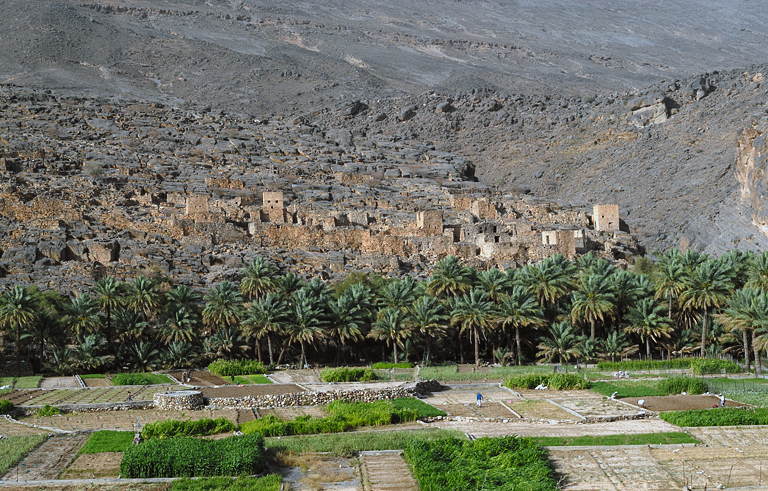
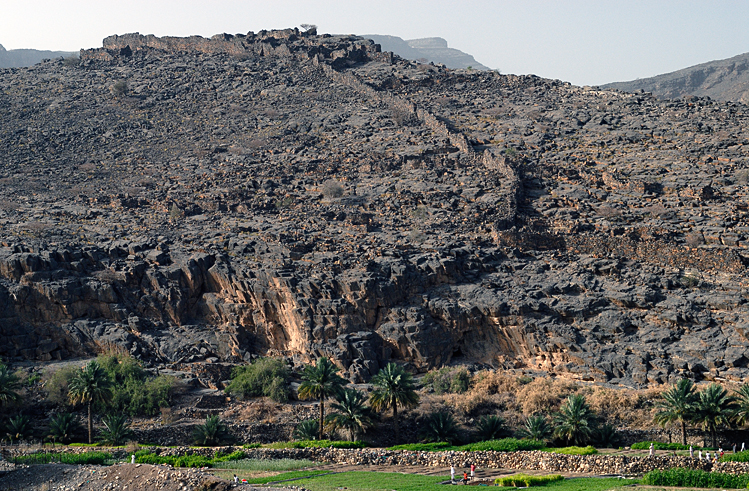

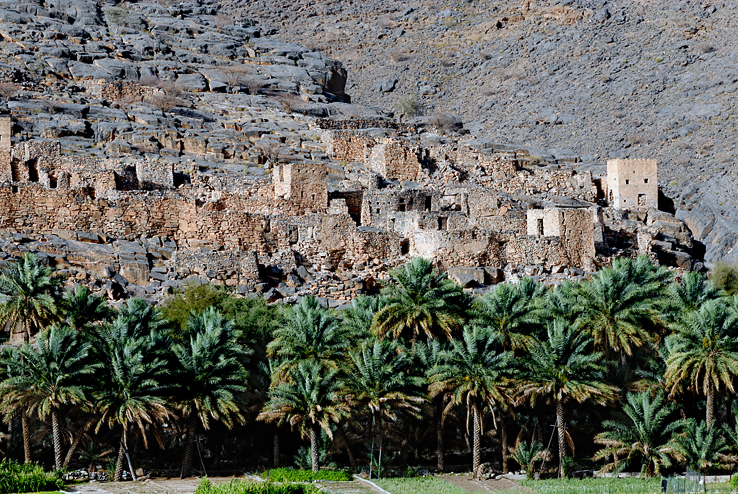
Wadi Ghul has some folklore about it; the first village on the top of the hill is said to have been abandoned due to a snake infestation . Now it so happens that the Omani word for ‘Snake’ is Ghūl. Although in general Arabic it means a demonic being believed to inhabit burial grounds, mountainous areas and other deserted places; belonging to a class of jinn جن (spirits) said to be the offspring of Iblīs, the Muslim nearest equivalent of what Christians would probably refer to as the Devil
There is also another story that the first families to settle here where from Persia.
Whatever the reasons, this village has made four moves over its lifetime, ending up in the new housing on the other side of the wadi.
Tanuf 2.

The old and new – this clearly shows the falaj and the fact that it is open. There are very strict social and cultural rules about aflāj systems as they are communal supplies of water in an arid climate. No one pollutes it; the whole village will have contributed to the cost of construction and up-keep, in most areas the amount of water is divided up between each family on a ‘timed’ basis. A form of sun-dial clock (post in the ground with graduated lines) was and in some cases still is used for this purpose.
In very arid areas, the falaj can travel for many kilometres underground with entrance holes so that it can be maintained; finding water, construction and maintenance is skilled and costly work.
A quote from that well known on-line encyclopædia –
In Oman from the Iron Age Period (found in Salut, Bat and other sites) a system of underground aqueducts called Falaj were constructed, a series of well-like vertical shafts, connected by gently sloping horizontal tunnels. There are three types of Falaj: Daudi (داوودية) with underground aqueducts, Ghaili (الغيلية) requiring a dam to collect the water, and Aini (العينية) whose source is a water spring. These enabled large scale agriculture to flourish in a dry land environment. According to UNESCO, some 3,000 aflaj (plural) or falaj (singular), are still in use in Oman today. Nizwa, the former capital city of Oman, was built around a falaj which is in use to this day. These systems date to before the Iron Age in Oman.
Masirah Ferry – or Hurry up and wait!
 Even the seagull is standing around doing nothing (find it if you can, in fact there are at least 3) there is no sense of urgency anywhere on Masirah……..
Masirah Island fishing Dhows.
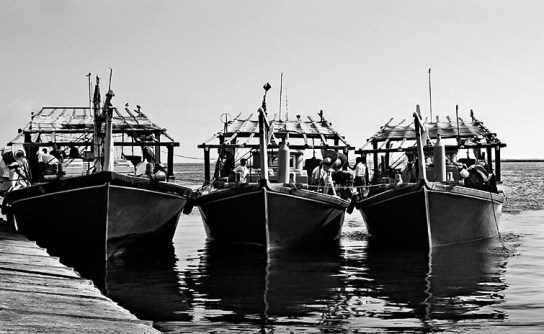 What else is one supposed to do while waiting for the Masirah ferry but take photographs – those that have taken it know how erratic the times are: for those that don’t, let us be kind and say they go when full.
There was a time-table introduced a few years back but no one took any notice of it!
For Both….
….whose limbs were made in England, show us here the mettle of your pasture; let us swear that you are worth your breeding: which I doubt not; for there is none of you so mean and base, that hath not noble lustre in your eyes. I see you stand like greyhounds in the slips, Straining upon the start. The game’s afoot; Follow your spirit: and, upon this charge, Cry – God for Harry! England and Saint George!
Tanuf.
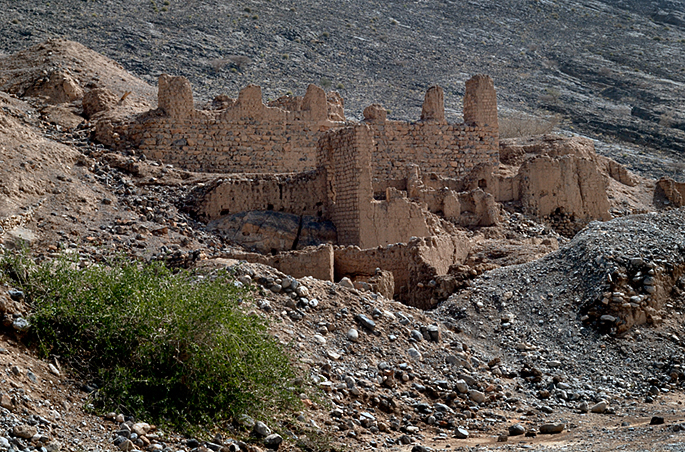
Tanuf ruins (another little altercation with the help of the Brits)

Then around the corner for this one – always a very scenic place after rains.
Just a thought – for those that are not very familiar with water movement in Oman, the wall that can be seen along the cliff face is a ‘Falaj’ basically a trough for carrying water.
Of this type, it is probably one of the best preserved that I know of; maybe because the ‘Tanuf bottled water plant’ is only about a klick away.
From the sublime to the ridiculous!

Continuing my water theme; it was still raining at 5am, the planned trip has been put off for 24 hours. Now this is a very rare thing here in Oman (trips planned, being put off for inclement weather) I know from experience (a rather uncomfortable night was once had due the weather) that there are at least two wadis that will almost certainly be in full flood on the way to Jebel Shams.
Hay ho – there is always tomorrow……..
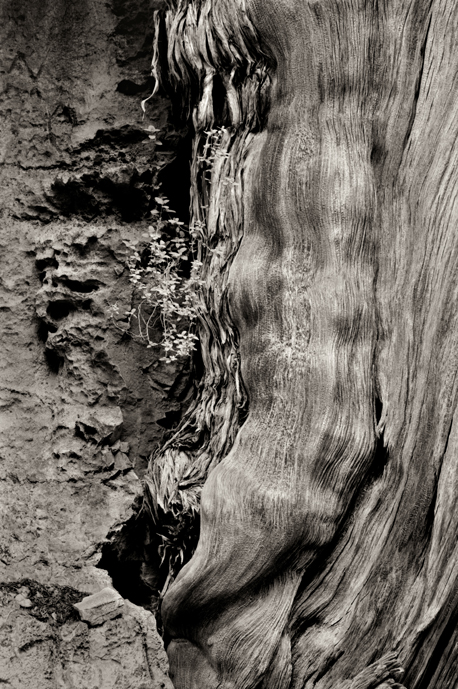
Rock & Rushes 2.

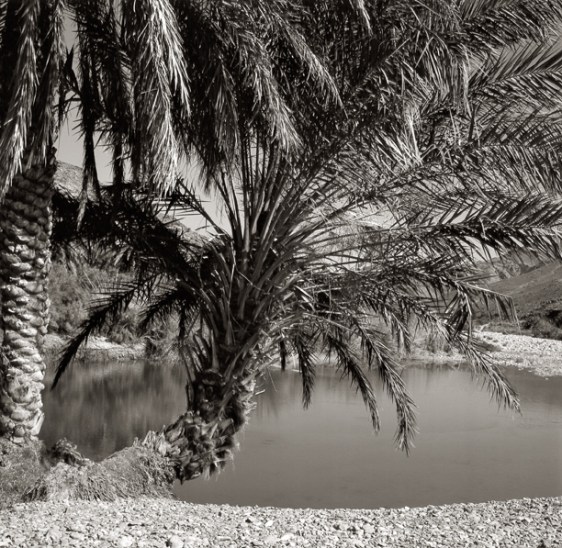
Palm & Rushes.

I seem to be having a run on my stocks of 6×6 film at the moment – using up some of the stuff I have in my freezer!
A few days of rain.

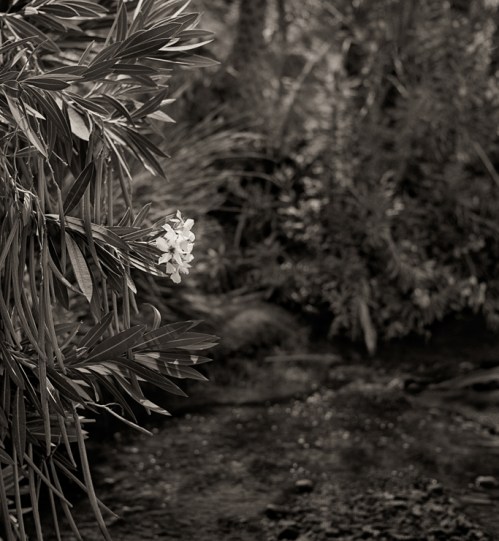
A Flower.
The Hitchhiker’s Guide to the Galaxy.
“It is known that there are an infinite number of worlds, simply because there is an infinite amount of space for them to be in. However, not every one of them is inhabited. Therefore, there must be a finite number of inhabited worlds. Any finite number divided by infinity is as near to nothing as makes no odds, so the average population of all the planets in the Universe can be said to be zero. From this it follows that the population of the whole Universe is also zero, and that any people you may meet from time to time are merely the products of a deranged imagination.” Douglas Adams.
I have just been re-reading – Douglas Adams: The Hitchhiker’s Guide to the Galaxy, a “trilogy” of five books published between 1979 and 1992,
I first heard about this series in 1978 when the BBC announced the start of a new science fiction comedy on the wireless (radio for those of less advanced years 🙂 ) and was instantly hooked on the rather madcap humour tinged with some quite cutting edge science.
The story revolves around the adventures of our heroes after the earth has been destroyed by Prostetnic Vogon Jeltz, during the construction of an intergalactic highway. Along with the ‘Guide’ an electronic guidebook of the Milky Way galaxy that is being edited and updated by Ford Prefect.
Do not watch the film…..! Dreadful & the TV series was not much better: read the books and/or listen to the radio series. The Hitchhiker’s Guide to the Galaxy
Wadi Dayqah.

After the rain.


