
 Door detail – Zikki.
Tag: Doors Oman
Another broken door – Zikki.
 Another broken door – Zikki.
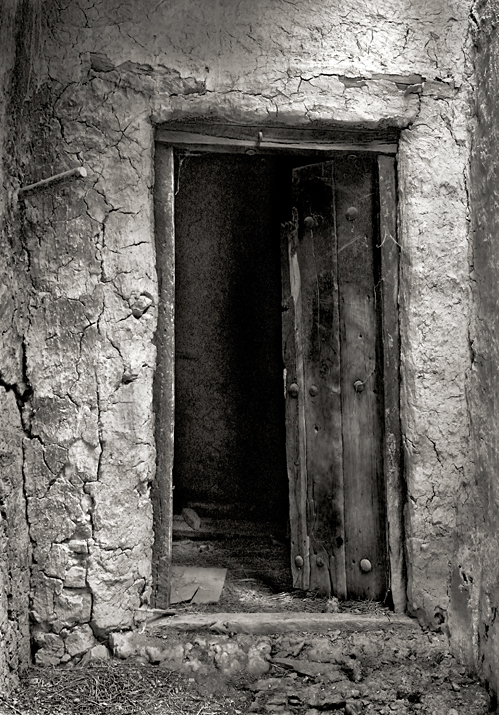
The remains of a door – Muti.
 The remains of a door in the abandoned village of Muti.
Doors in the old village of Muti (now Imti).


A selection of doors in the old abandoned village of Muti (behind what is now Imti) starting with the newest & working back to the very old.
Door with shadows.
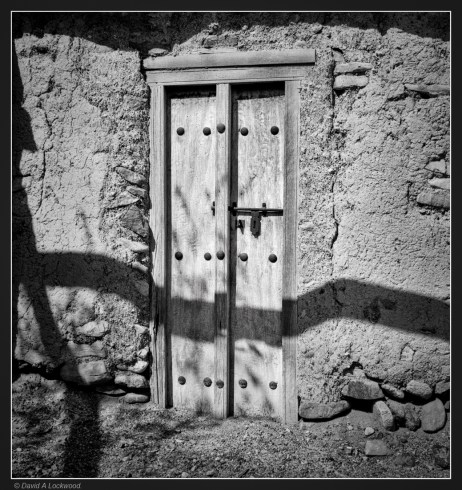 Door with shadows.
Yashica 124G on Ilford FP4 Plus.
Remains of a once fine door.
 Remains of a fine door.
 Remains of a fine door No2.
Continuing derelict building theme.


Where does this go ?
 Where does this go ? another venture into the unknown.
Kodak Tri-x (Original ISO 400 pre 2007 emulsion) with Nikon F2sb.
Door detail.
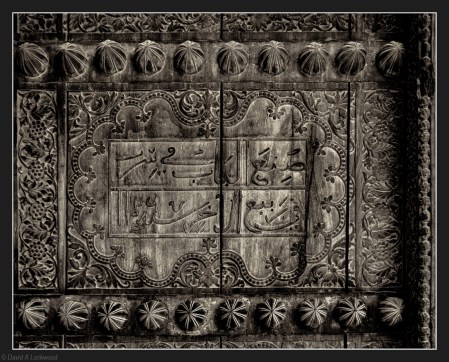 Another door 🙂
Door with Studs No 2.
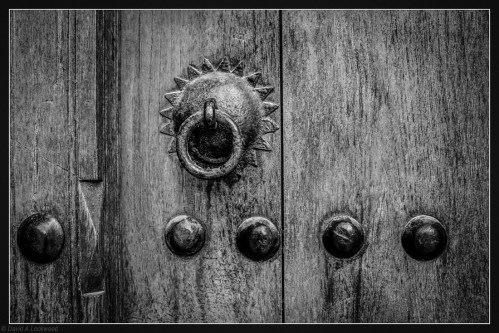 Door fittings.
It’s hot outside !
 It’s hot outside – not as bad as it has been but there is about 75% humidity so going nowhere today………
Will stay comfortable and maybe forced into quenching my thirst ! 
Beyond the Door – Samail Fort.
 Beyond the Door.
“It’s a dangerous business, Frodo, going out your door.
You step onto the road, and if you don’t keep your feet, there’s no knowing
where you might be swept off to.”
J.R.R. Tolkien, The Lord of the Rings.
Come in said the spider to the fly.
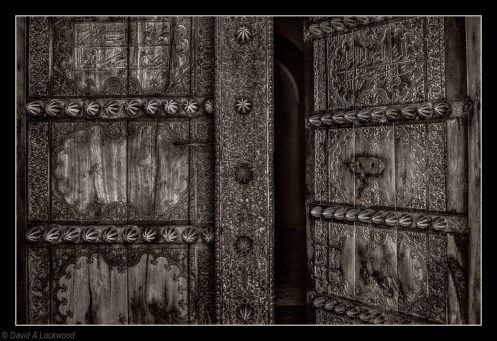 Come in said the spider to the fly 🙂
“Will you step into my parlour?” said the spider to the fly;
“’Tis the prettiest little parlour that ever you did spy.
The way into my parlour is up a winding stair,
And I have many pretty things to show when you are there.”
“O no, no,” said the little fly, “to ask me is in vain,
For who goes up your winding stair can ne’er come down again.”
Part of a poem by Mary Howitt (1829)
Another Old Door.
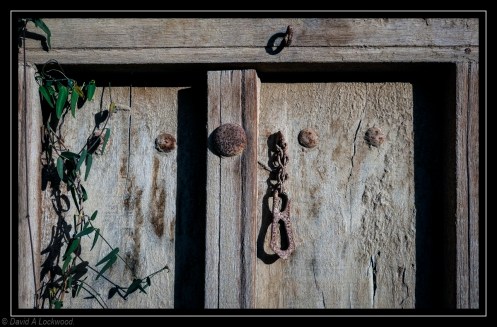 This is what comes of visiting old abandoned villages – doors & more doors 🙂
Old door fittings.
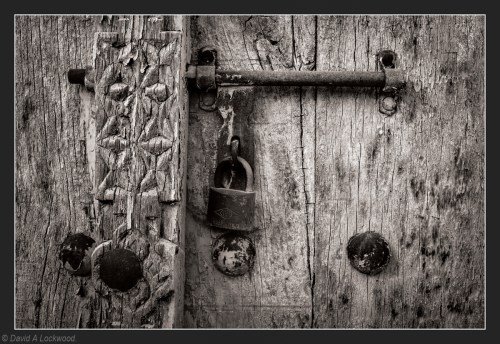 Old door fittings.
Ornate door.
 Ornate door – Abandoned building: Nakhal.
Door Catch.

Old Door – Wadi Bani Habib.
 An old door from one of the two major abandoned villages at Wadi Bani Habib.
Intricately Carved Door.
 Nikon D800 – converted in Photoshop C/Mixer. AF Nikkor 50mm f1.8 D.
Another Door.
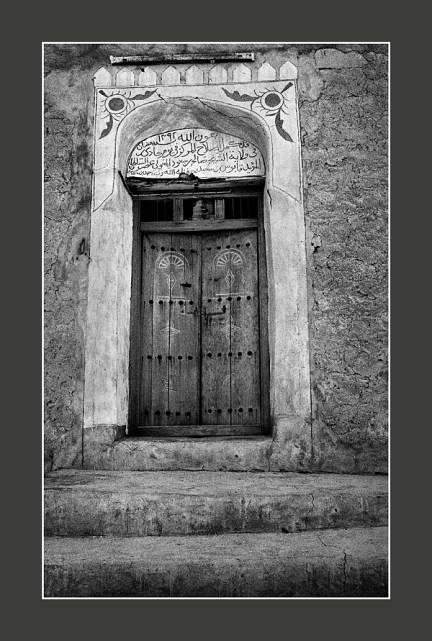 Nikon F2sb. Tokina AIs 35-70 AT-X f2.8 Tri-x @ 400 in D76 1+1.
Another one of those images that I could not find a straight area that looked good – so gave up and used the steps and no I do not have a ’tilt & shift’ lens.
I did a print of this negative back in about 2010; but recently I have been working on a new print that has been ‘painstakingly re-touched’ with spotone retouching dyes.
I never liked the mains cable down the left-hand side of the door on the original and think the owners would have been a little miffed if I’d removed it 🙂 This could have easily been accomplished with Photoshop but……… back in the days when there was no such thing, the only way to remove distractions from an image was using retouching inks.
The technique was very simple in theory; mix the ink to the required colour and with a small artists brush, apply to the print using only the very tip of the brush, dotting the dye onto the paper.
But theory is great until one puts it into practise; it requires a good sable hair brush (the best for holding liquids and obtaining a very fine point) an almost dry brush and lots of patience!!!
If done correctly it is almost indistinguishable from the surrounding area of the print; not possible with colour prints I might add. Ilford Matt or semi-matt fiber papers are my medium of choice because they absorb the ink rather than it sit on the surface. These dyes came in sets of six pre-mixed colours which used together gave an infinite range of shades. Unfortunately (that word again) they are no longer available but, Ansel Adams in his book ‘The Print’ mentions Edward Weston used an India ink and gum arabic mixture. I have modified this slightly by using the Japanese ink blocks which are available in a variety of colours, mixed with gum Arabic and distilled water; it works very well. So when my inks run out I will use this method instead.
Now all this may be an anathema to the purists among you but, I am not making ‘documentary’ images.
Door at Jabrin Castle.
 Nikon F2sb. Tokina AIs 35-70 AT-X f2.8
Door into Room.

Door in Abandoned Room.
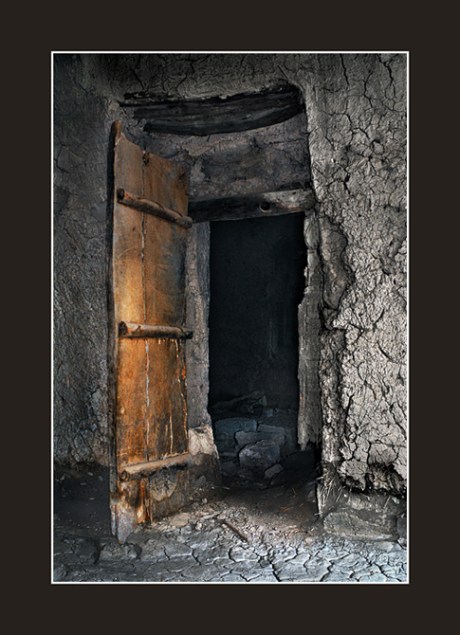
This has seen better days!
 Muti ruins.
Another from my Muti series.
 David A Lockwood