
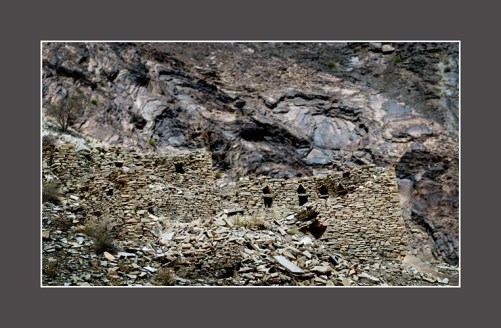
 Muti (Imti) Ruins.
Category: colour.
Old Scales.
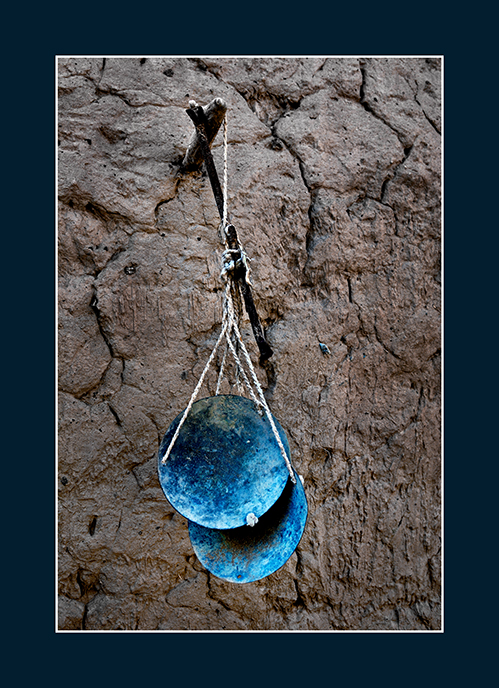

Masirah Shell.

You don’t step on one of these and walk away…..!
Another old Falaj System.
 Old Falaj structure.
They are not all in black.

Another Sunset! Masirah.

Ho no not another sunset I hear some say………………. but I liked the cloud formation on this one.
Jebel Misht – the final rays.

Nikon F4: Kodak Ektachrome E100VS.
Green Wadi.
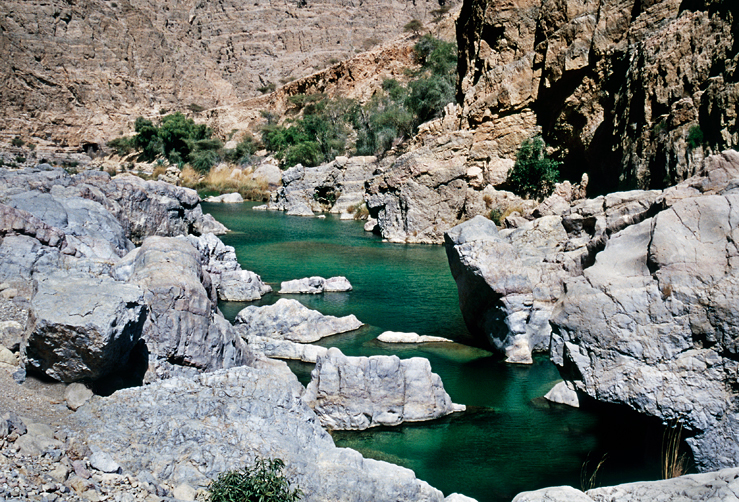
Nikon F4 – E6 Kodak Professional Ektachrome E100VS.
The green water is not algae growth; the water is up to 3 metres deep but crystal clear, so the green is actually weed growing on the bottom.
Another from Jebel Shams.
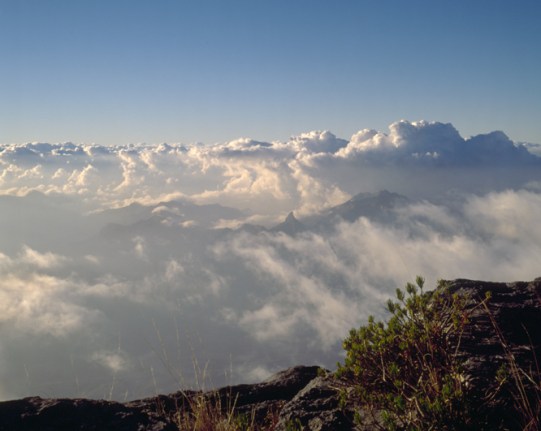 Nikon F4 – E6 Kodak Professional Ektachrome E100VS. Sadly this is from some of the last in my freezer; gone like a lot of other good film.
Wadi Halfayn.

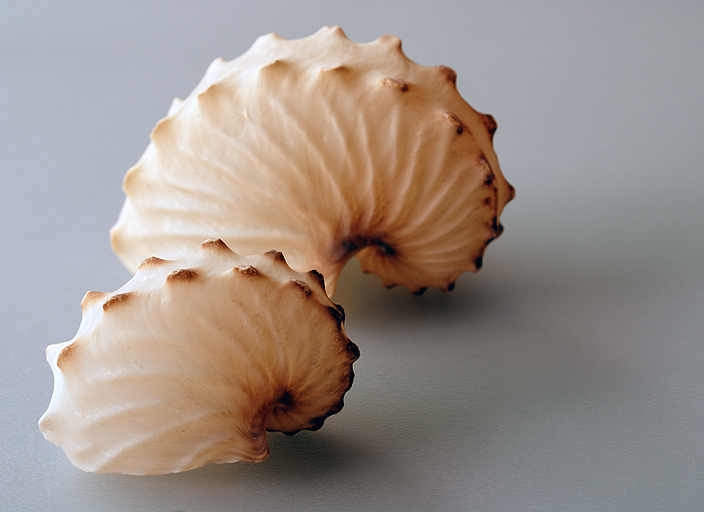
Two Shells.
Thanks Chas.
Wadi Ghul.
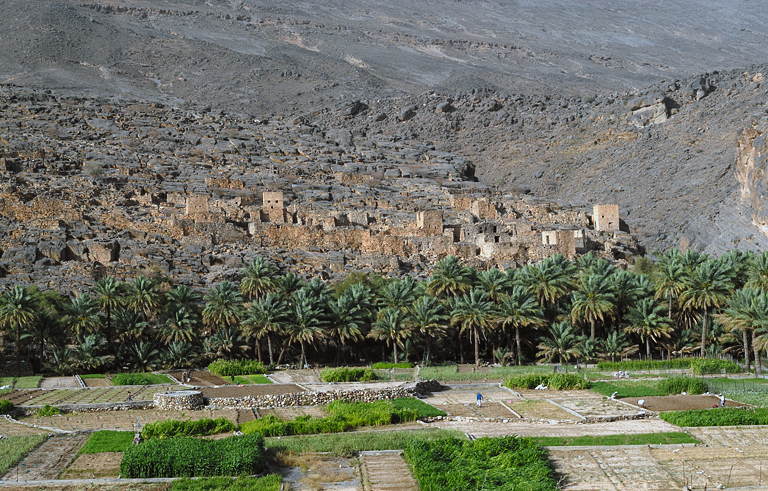
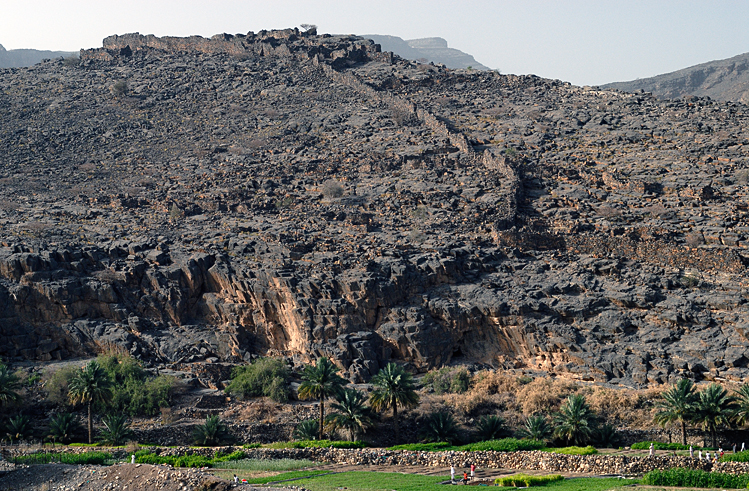

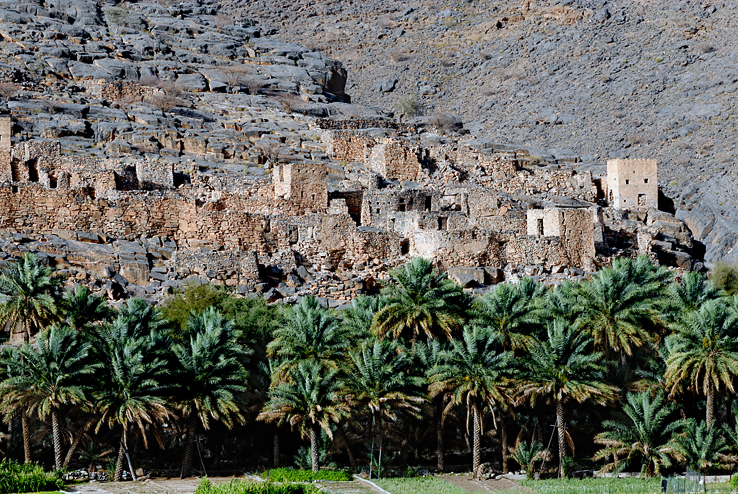
Wadi Ghul has some folklore about it; the first village on the top of the hill is said to have been abandoned due to a snake infestation . Now it so happens that the Omani word for ‘Snake’ is Ghūl. Although in general Arabic it means a demonic being believed to inhabit burial grounds, mountainous areas and other deserted places; belonging to a class of jinn جن (spirits) said to be the offspring of Iblīs, the Muslim nearest equivalent of what Christians would probably refer to as the Devil
There is also another story that the first families to settle here where from Persia.
Whatever the reasons, this village has made four moves over its lifetime, ending up in the new housing on the other side of the wadi.
Tanuf 2.

The old and new – this clearly shows the falaj and the fact that it is open. There are very strict social and cultural rules about aflāj systems as they are communal supplies of water in an arid climate. No one pollutes it; the whole village will have contributed to the cost of construction and up-keep, in most areas the amount of water is divided up between each family on a ‘timed’ basis. A form of sun-dial clock (post in the ground with graduated lines) was and in some cases still is used for this purpose.
In very arid areas, the falaj can travel for many kilometres underground with entrance holes so that it can be maintained; finding water, construction and maintenance is skilled and costly work.
A quote from that well known on-line encyclopædia –
In Oman from the Iron Age Period (found in Salut, Bat and other sites) a system of underground aqueducts called Falaj were constructed, a series of well-like vertical shafts, connected by gently sloping horizontal tunnels. There are three types of Falaj: Daudi (داوودية) with underground aqueducts, Ghaili (الغيلية) requiring a dam to collect the water, and Aini (العينية) whose source is a water spring. These enabled large scale agriculture to flourish in a dry land environment. According to UNESCO, some 3,000 aflaj (plural) or falaj (singular), are still in use in Oman today. Nizwa, the former capital city of Oman, was built around a falaj which is in use to this day. These systems date to before the Iron Age in Oman.
Tanuf.
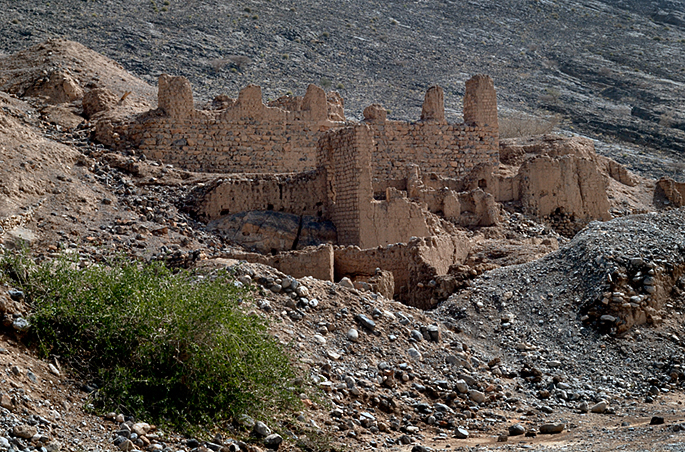
Tanuf ruins (another little altercation with the help of the Brits)

Then around the corner for this one – always a very scenic place after rains.
Just a thought – for those that are not very familiar with water movement in Oman, the wall that can be seen along the cliff face is a ‘Falaj’ basically a trough for carrying water.
Of this type, it is probably one of the best preserved that I know of; maybe because the ‘Tanuf bottled water plant’ is only about a klick away.
Another from my Rock & plant series.
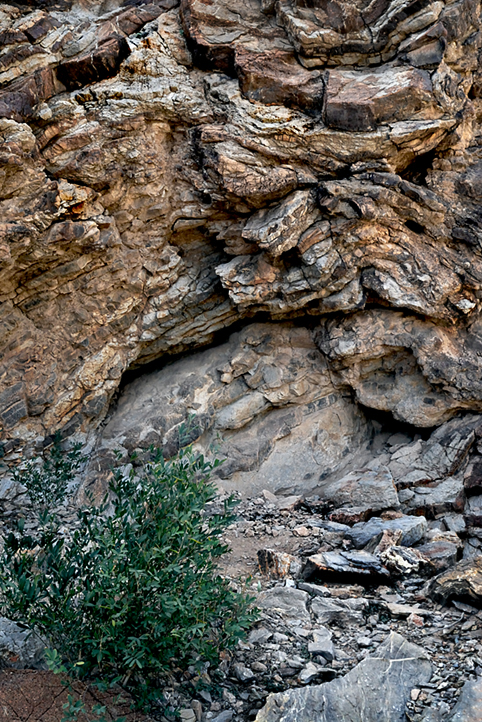
Tombs at Manal.
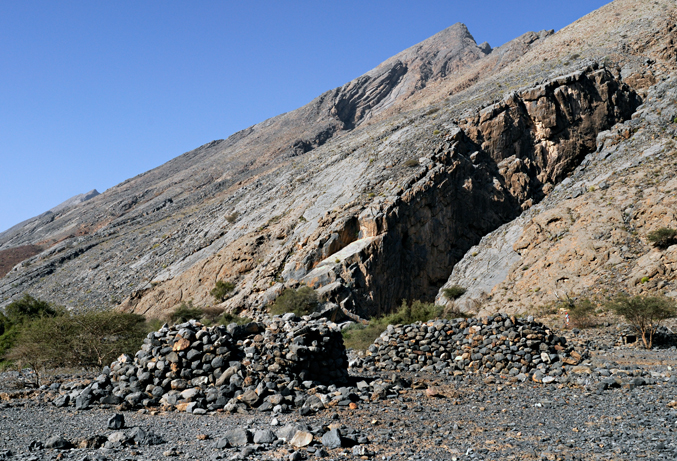
I am fairly certain that these are the remains of a form of Bee-Hive tomb; the doubt is because they could be a type of ‘round-house’ were the stones have just been robbed from tombs.
Todays Trek near Manal.


Rocks & plant.

Rocks & more rocks….

Wadi Bani Habib.
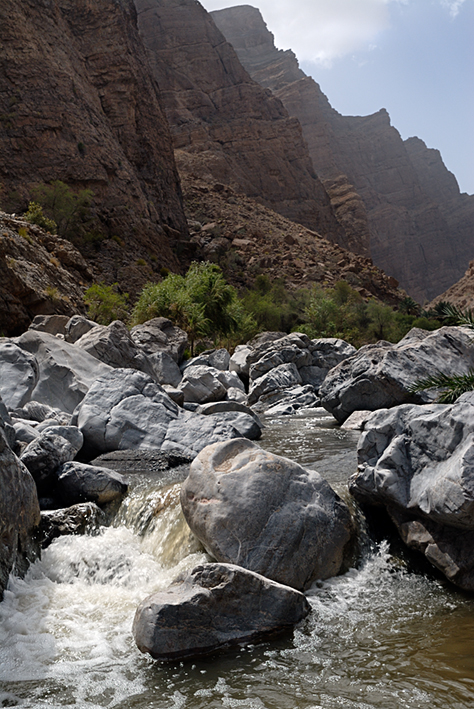
Wadi Bani Habib.
This was made after a trek from the Birkat Al Mauz end.
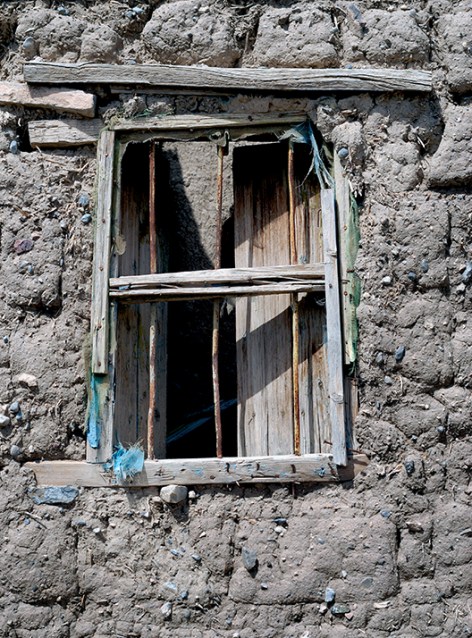
Window at Ziki.
Todays Walk.
Today has seen a wind blowing in from the desert with temperatures reaching 360c that’s a change of 16 degrees in a week!
A good walk though; because the gorge I was in gets quite narrow in places, the sun does not reach right in until around midday so keeping the heat lower.
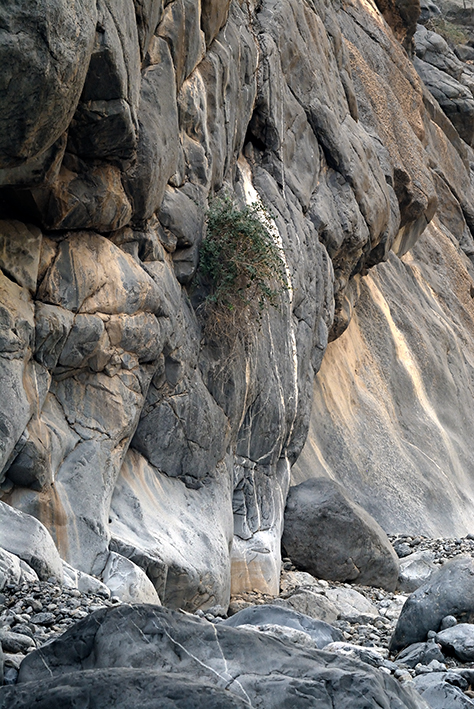
Lots of rock art and pottery shards, eventually reaching the abandoned habitation that I was heading for.
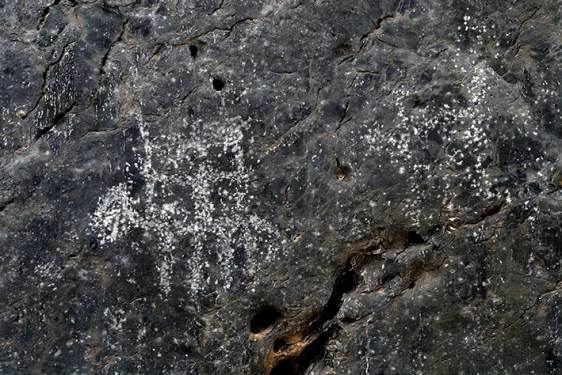

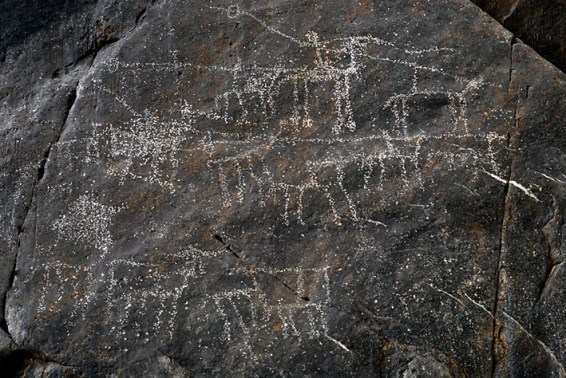 This looks like herding cattle?
 Looks like ‘antlers’? So I do not have a clue!
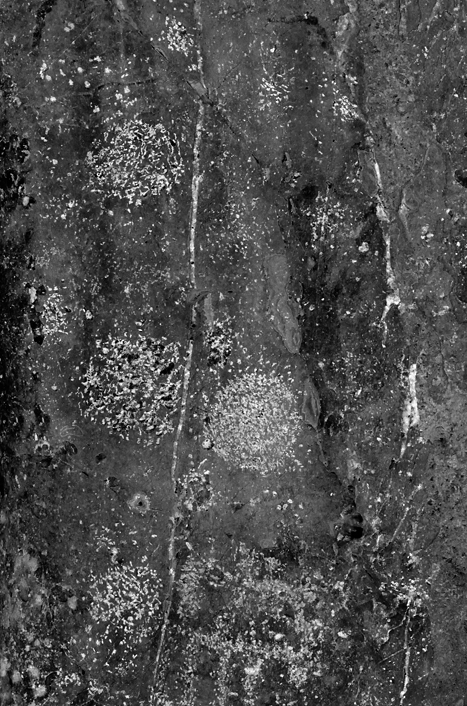 I think these are symbols for the sun not ‘Wusum’ or tribal markings.
 This one is well endowed!……




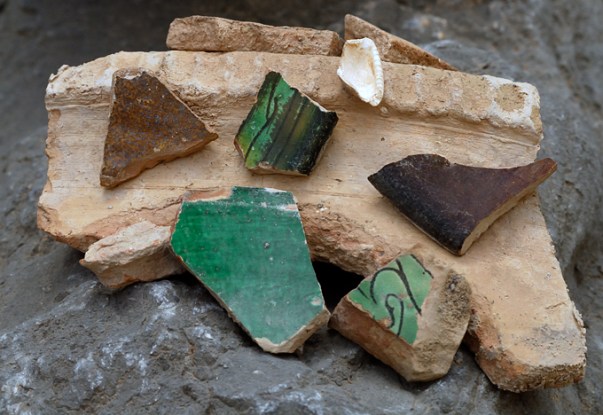 The broken cowrie shell – used in some cultures as currency, but in this case was probably a decorative item. Still, quite unusual so far from the sea. All found at the abandoned site in the next two images.


Doors in the abandoned village of Ziki (Izki).
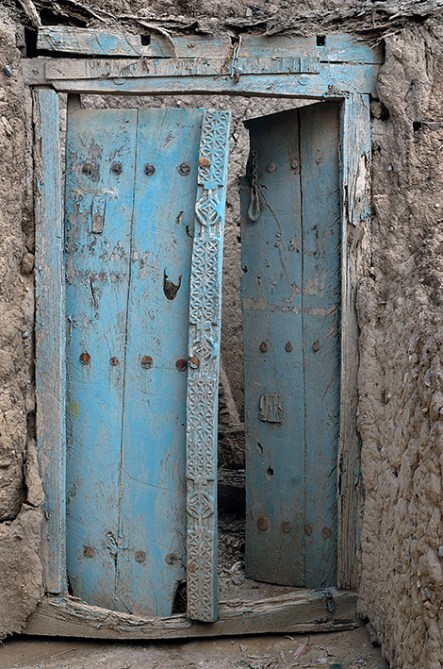


Ziki (Izki).
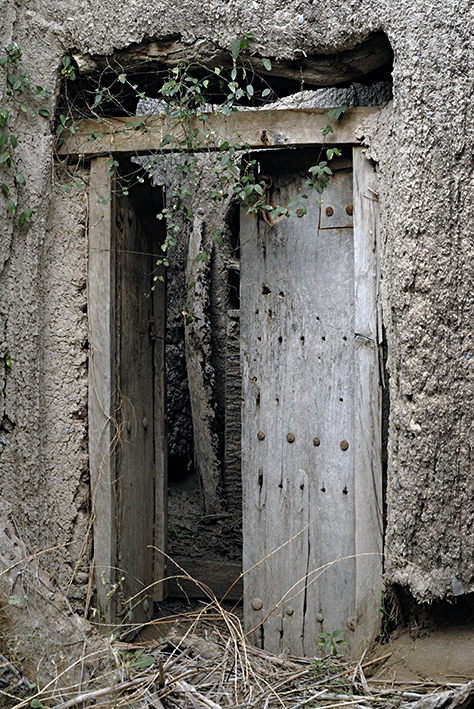
A Garden Flower.


Click image for slide show.
 David A Lockwood