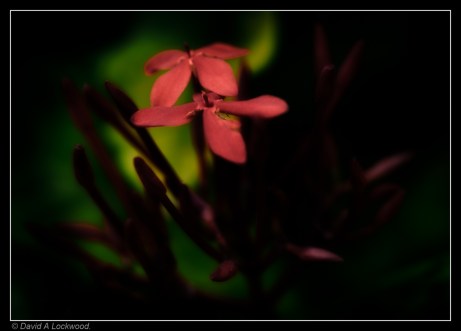
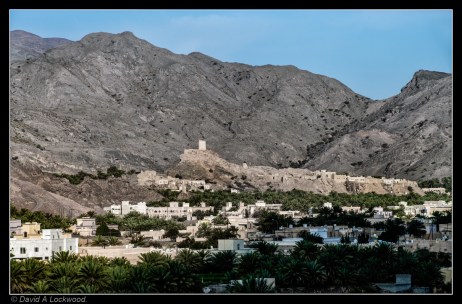
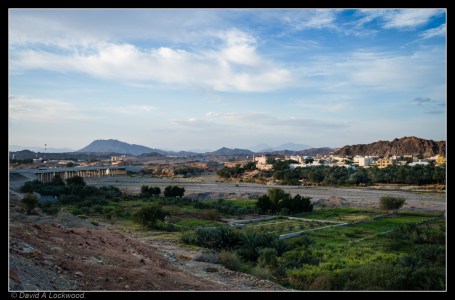
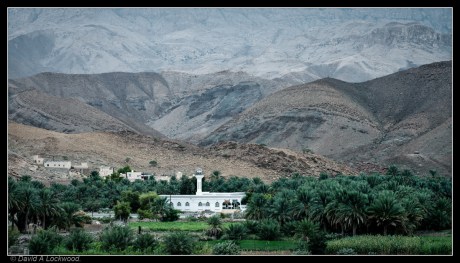
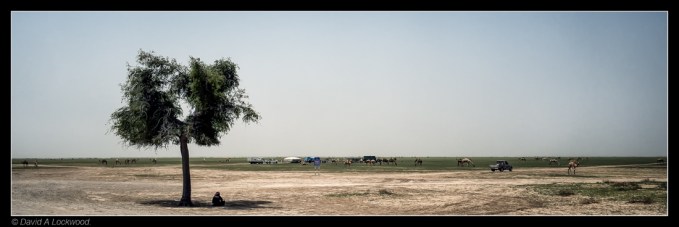
Testing a Nikon Df at night – Muttrah.

I have been testing a Nikon Df with its D4 sensor: these images were taken with the Nikkor 50mm f1.8AF G lens set @ f5.6.
All hand held at Iso 3200 apart from the water feature which was 10000 Iso (that is the correct number of zeros !) other than a little noise reduction & a small amount of sharpening, nothing else was done.
Raw NEF images converted to Tiff Adobe RGB then Jpeg s.RGB but no colour correction; the white balance was set on Auto 1.
All taken last night and never again, far more people than I like when out with my camera.

I don’t think I could do this using a film camera without many trials & tribulations.

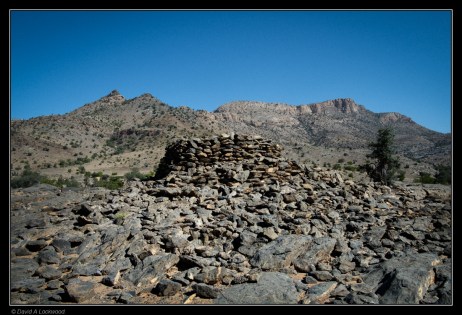
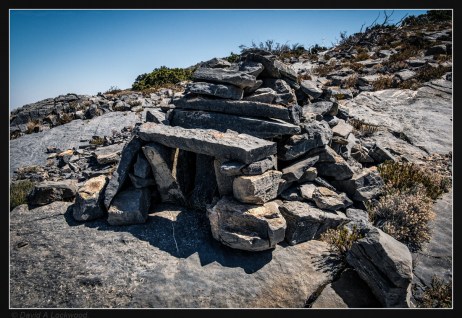
Stone Wolf trap – Jebel Shams.

stone-wolf-trapStone Wolf trap: Jebel Shams.

      These traps are quite common on the Jebel but very few are in perfect working order. This one on the other hand would only need the front drop-stone lifting and supported by a stick:  it would then be ready for the unfortunate wolf.

In case anyone is interested: it’s at about 9500ft & unfortunately for most people, in the restricted area.

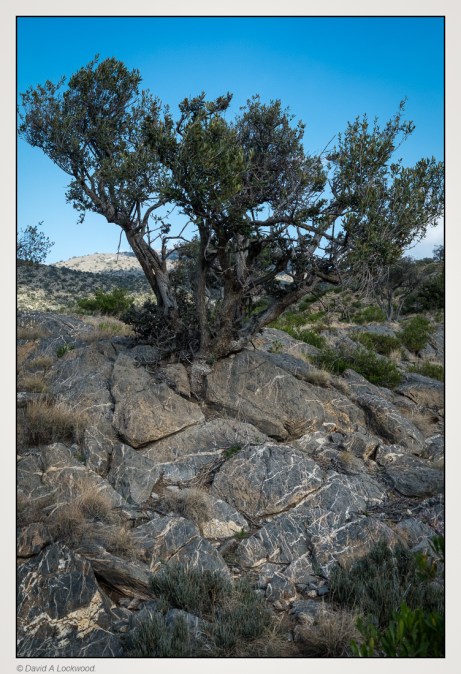
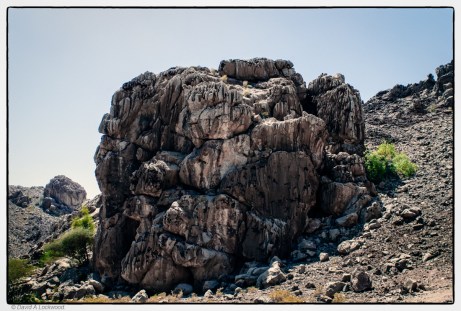
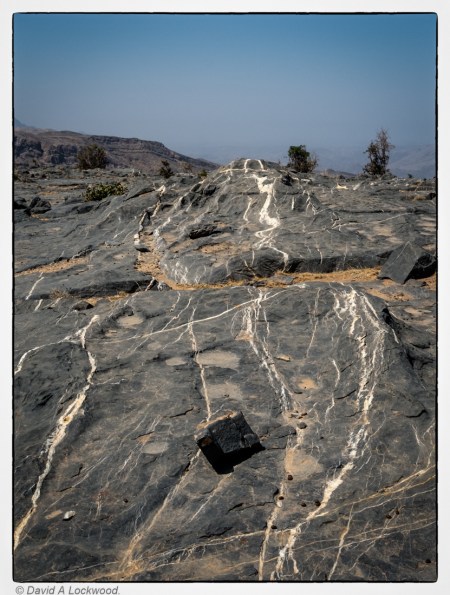
Quartz striations.

quartz-striationsQuartz striations – Jebel Shams.

An update – these could be hard Calcite crystals given their luminosity: reading a couple of technical papers (see link below) on the geological structure of Jebel Shams would seem to indicate this.
I have limited knowledge on the subject of geology.

A pdf paper from GeoArabia: click the link & click again on the new page for document.
Evolution of fractures in a highly dynamic thermal

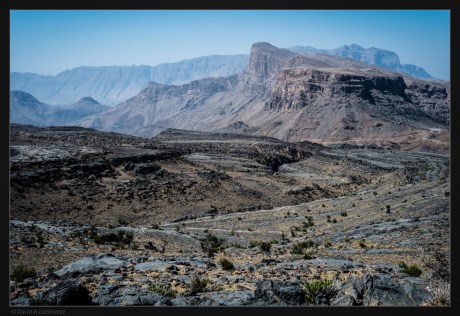
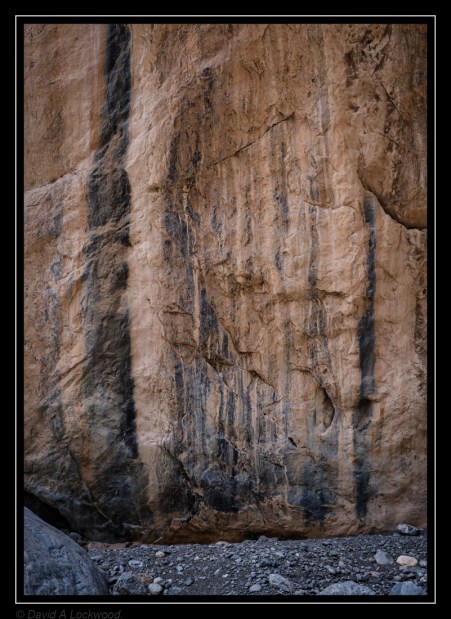
Wadi Al hoqain.

Wadi Al HoqainWadi Al hoqain.

I left early this morning for Wadi Al hoqain: unfortunately, when I stepped out of the car & looked at the temperature, it was in the upper 30’s C.
with rather high humidity.
Not as enjoyable as I though it would be…. hay ho, cooler days will be here soon.  😎

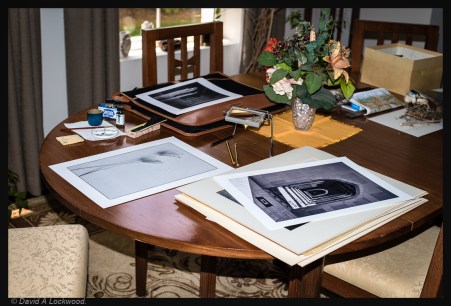
Retouching prints.

retouching-imagesRetouching prints.

As you can see, I have a bad habit of taking over the dinning room table when retouching photographs: side light from the windows is good (my excuse anyway) which is a must.

As most of my work is on matte fibre papers (even my inkjet prints are matte papers mostly) I can use a number of different spotting mediums.
Spotone dyes are (were) the best IMHO but Marshalls are now the only archival liquid dye I know of. Two other methods can be used with good results: a range of artist quality pencils & the Edward Weston use of ink & gum arabic.  For this I use Japanese ink stick and varying amounts of the gum arabic; depending on how glossy the paper surface is.

Ink jet prints will sometimes get the odd white or pale spot that went unnoticed on the screen (especially in high-key images) they can be retouched using the same methods used for fibre prints. Yes I know I could just reprint, but sometimes I won’t notice the fault for several days.
It could also be that I have developed a parsimonious reason; the cost of Ilford fibre paper is not cheap now, neither is good inkjet paper. If the retouching is done well enough, it will never be noticed when the print is behind glass.

Two things from the above: a tip from my wife (an artist who uses both watercolour & oils) is, look at the image upside down in a mirror. The other being, leave a print where you can see it on a daily basis: both remove the image from the minds eye, one then looks at it with a fresh mind-set.

New lens – Nikkor 25-50mm f4 zoom.

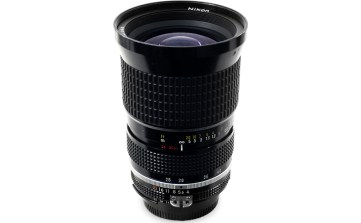
Nikkor 25-50mm f4.Nikkor Ai 25-50mm f4.

A new addition to my manual focus Nikkor collection: The Nikkor Ai 25-50 f4 zoom lens.

Click lens image below for Nikon site.
As of May 2017: Nikon seems to have taken down their Nikkor 1001 Nights Tales – this is very sad because it had so much interesting information about the design and production of many lenses. I hope this is just for the duration of their 100th anniversary; it would be very short-sighted of them if it is gone for good.
Update 20 Aug 2017: it looks like all the tales ending with No.60 are back.

One of Nikon’s early professional zoom lenses, which should complement my ‘F’ camera quite nicely. This lens was manufactured in 1981 and by the end of that year was changed by Nikon to an Ai-s version. For some reason the second-hand price for the Ai-s version is more expensive than the Ai, there is no real reason for buying the later version unless one owns a Nikon FA camera, even then it is questionable as the internal construction of both lenses is exactly the same. All Ai / Ai-s lenses fit on every Nikon SLR camera, be they manual or AF with one caveat; some of the cheaper AF cameras will not meter with manual focus lenses (check your instruction manual). The only warning I would add here is ‘non Ai lenses’ made for the Nikon ‘F’ will damage most other cameras, with the exception of the F3, F4 & the Df !

See this link for camera compatibility: https://www.nikonians.org/reviews/nikon-slr-camera-and-lens-compatibility

This lens has some very nice qualities;  although long discontinued, it is without colour aberrations and images are sharp from corner-to-corner, light fall-off being very low even wide open. It will attain peak sharpness at f/5.6 and holds well even when stopped down to f/16 which delivers very good results.
Looking forward to cooler weather  😎 so that I can get out & about with it fitted on both film and digital cameras.