Ubar ?

Ubar ?
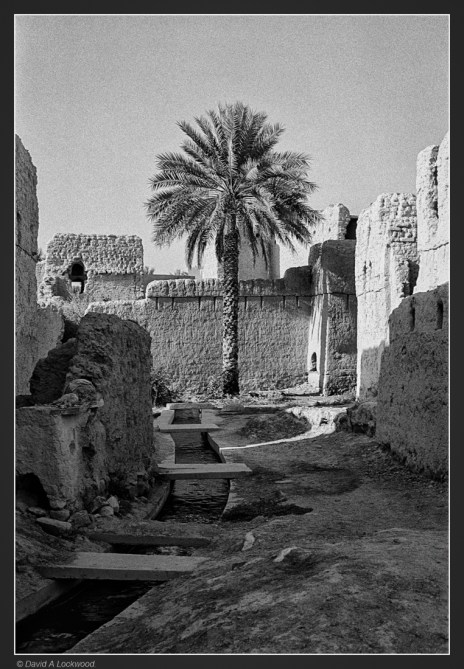
Ubar again.I have another post somewhere about this place they claim is The lost City of Ubar: known by various other names (Wubar, Wabar, Iram of the Pillars and Atlantis of the Sands mentioned by Lawrence of Arabia) but the more I visit, the more I think it lives by reputation & reality is something quite different.

It certainly held some significance for the Frankincense trade route but; looking at the site with mark one eyeball, it is small compared to Khor Rorī or Al Balid on the coast: a lot of wishful thinking going on me thinks.
Freya Stark sums it up.

When the explorer Freya Stark consulted the works of Arab geographers, she found a wide range of opinions as to the location of Wabar: “Yaqut says: “In Yemen is the qaria of Wabar.” El-Laith, quoted by Yaqut, puts it between the sands of Yabrin and Yemen. Ibn Ishaq… places it between “Sabub (unknown to Yaqut and Hamdani) and the Hadhramaut. Hamdani, a very reliable man, places it between Najran, Hadhramaut, Shihr and Mahra. Yaqut, presumably citing Hamdani, puts it between the boundaries of Shihr and San’a, and then, on the authority of Abu Mundhir between the sands of B.Sa’d (near Yabrin) and Shihr and Mahra. Abu Mundhir puts it between Hadhramaut and Najran.”

I paraphrase:   With such evidence, it seems quite possible  to find Wabar in opposite corners of Arabia.
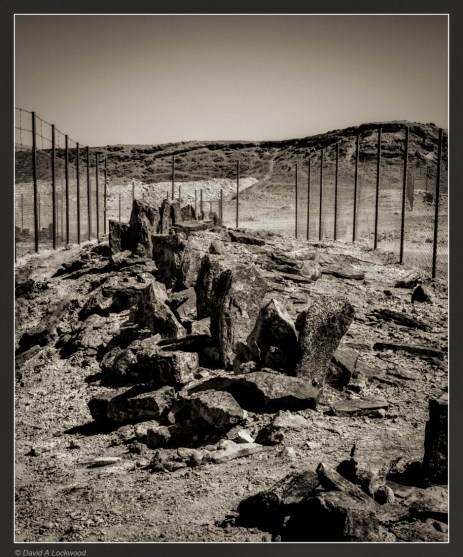
Bronze Age Trilith – Dhofar.

Trilith - Dhofar.Bronze Age Trilith – Dhofar.

This unusual row of stones is one of Oman’s more enigmatic archaeological finds: found in eastern Yemen & South West Oman,  C.400 B.C.E – 300 C.E.
The stones are usually found in groups of 3 to 15 (although longer rows have been seen) about 2 or 3 foot high and standing on end, forming a tripod structure with sometimes a capstone. Placed along side & parallel with Wadis or tracks; mostly stood on bedrock.
They are not burial places because they seem to be always placed on a hard rocky surface and that is about all anyone can be certain of. The construction period has been reasonably well confirmed by Carbon-14 dating, from ash remains of wood fires that seem to have been used within the structures.

The fence has been placed for their protection; a lot of sites can get damaged through ignorance or just basic theft of the stone as building material.

P.S I can thank Freyja my daughter who noticed these while we were driving some way off on the main road.

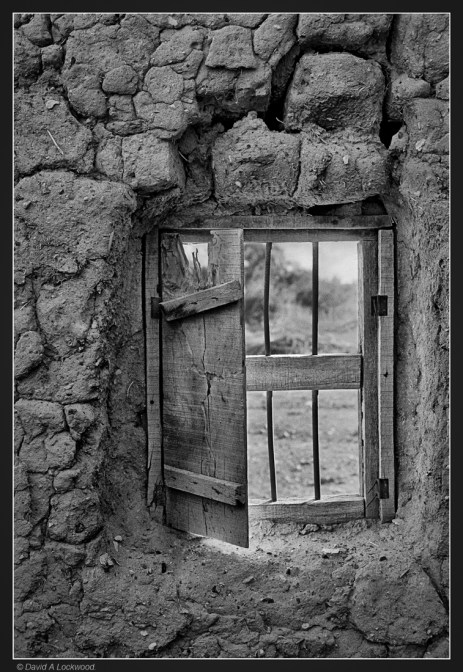
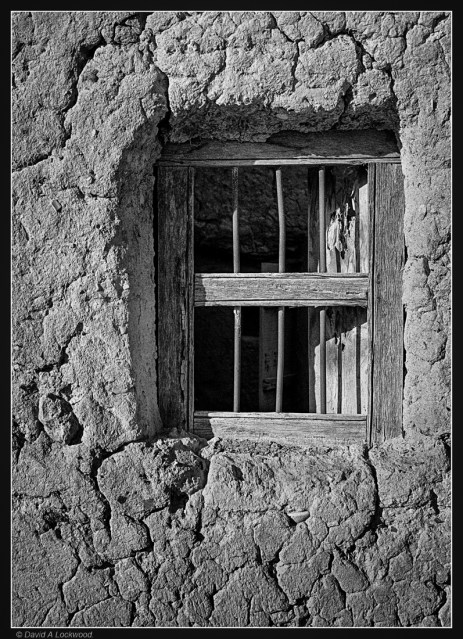
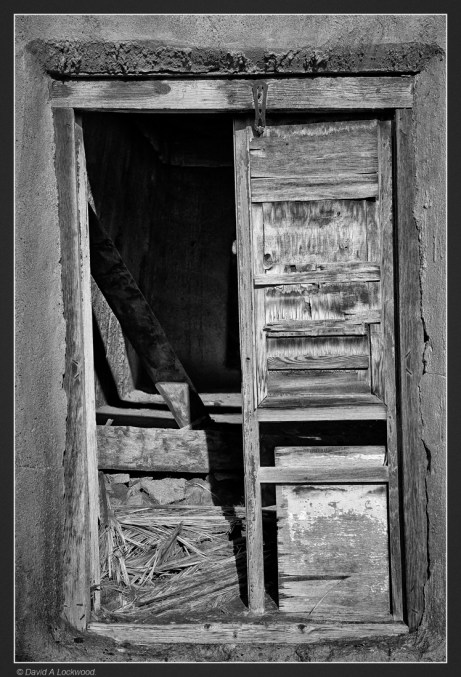
A window in Ibri.

window-ibriWidow – abandoned village of Ibri.
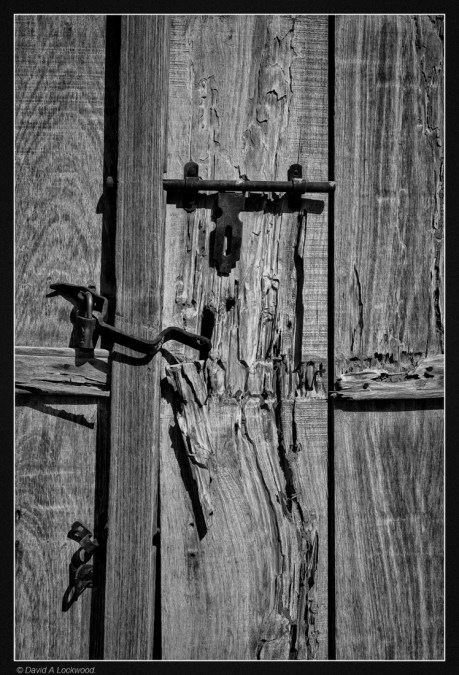
Nikon F2sb with Nikkor 25-50mm f/4 Ai lens.

P.S.
I have just answered a comment by Jane & realised that this image was taken with a camera that was produced between 1976-1977, a lens that was made in 1979, Kodak Microdol-x  from a bag dated 2007 & film with a use by date of 2010.
At least the distilled water I used for development, was only 6 months old   🙂

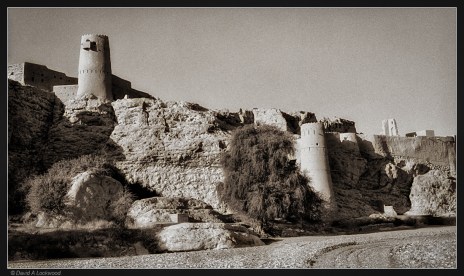
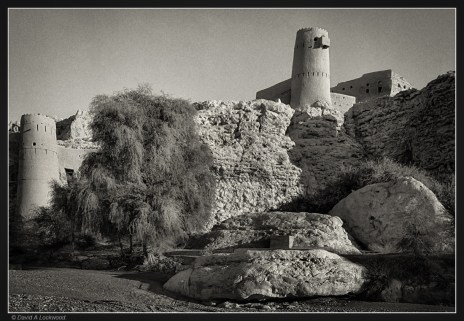
As Sulayf fort.

As-Sulayf-castleBuilt by Al Immam Sayf bin Sultan Al Y`aribi in 1718 & overlooking As Sulayf Valley.
Nikon F2sb with Nikkor 25-50mm f/4 Ai lens

An early morning visit that proved to be rather a waste of time in some ways – the place has been touristified: isn’t open all the time and has a guide !! now the last thing I wanted was a guide……. but to be fair, he was only doing his job.
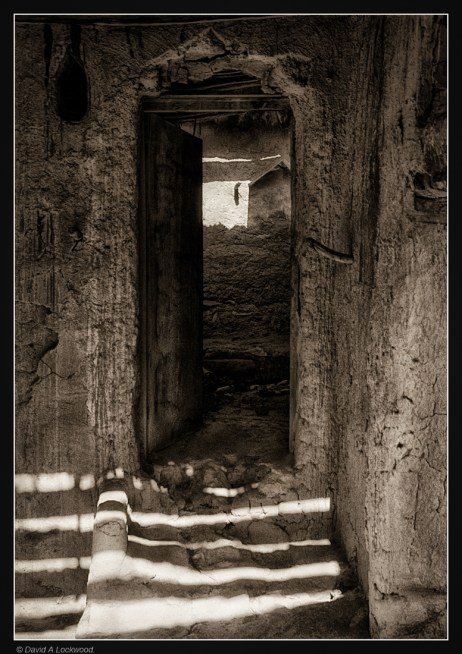
I did not need someone leading me by the hand and telling me things I already knew, he did not seem to understand that all I wanted to do was make photographs: I gave up in the end. Hay-ho, it did make me go the extra couple of Kilometres and visit the old town of Ibri.

Thank you.

I am on holiday at a place near Castle Howard in North Yorkshire and the internet it very bad.
I have tried to answer all the comments from the last few days but: I only have a small Samsung phone so any errors in spelling or things that do not make sense are my fat fingers on very small letters (that is my excuse anyway 😉 )
So thank you all very much for visits, comments & likes in 2016.
Have a grreat 2017.