
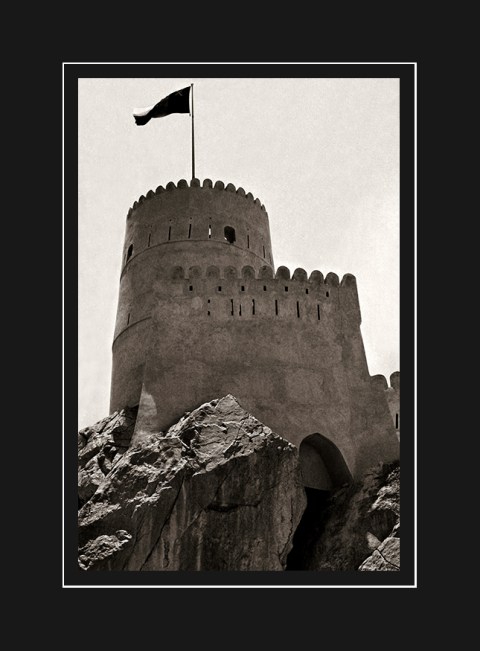
 Nikon F4: Ilford Xp2 normal C41 process.
Nikon F4: Ilford Xp2 normal C41 process.
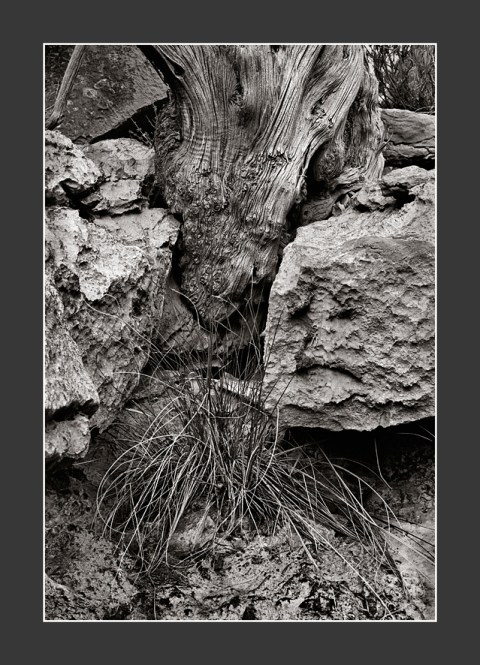 Nikon F4: Kodak Plus-x 125 in T-max 1+4.
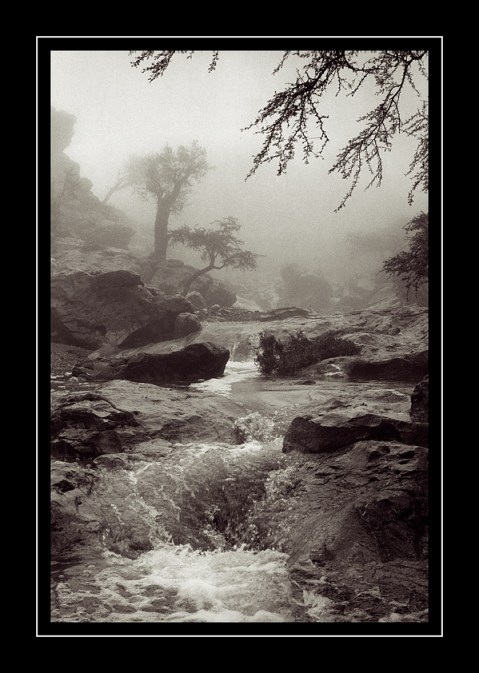 Nikon F4: T-max 400 at 320. Kodak D76 1+1.
You could be forgiven for thinking this was the Yorkshire moors near where I live when in UK; but it was made on a very wet day at Jebel Shams.
I remember, because there had been a rock fall and a late friend of mine suggested we go and see if it was possible for us to depart the mountain. No such luck.
I was now faced with a trip on a helicopter and that is one form of transport I do not like …! well I also include the C130 (if I wanted to fly those I’d have joined the paratroops) but at least I will get on one if needs must .
But a helicopter at 10,000 ft is pushing the limits………
 This was a colour image taken with Nikon D800 50mm f1.8D lens
converted with ‘channel mixer’ in Photoshop.

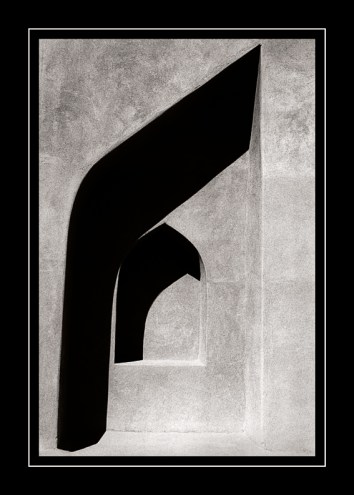 Two more prints that I have been asked for – well what else is one supposed to do when it is in the high 30’s outside. I originally posted these some months back as straight scans .
Printed on:
ILFORD MULTIGRADE IV FB Fiber
With a slight Sepia tone.
 Yashica 124G – made on Ilford Fp4+.
 Bronica S2a with Nikkor – 75mm P f2.8 lens: made on Ilford HP5 +
Cropped and brown toned.
I used a very slight diffusion filter to emphasise the mist and give a slight glow.

 Bronica S2a – Nikkor 50mm f2.8.
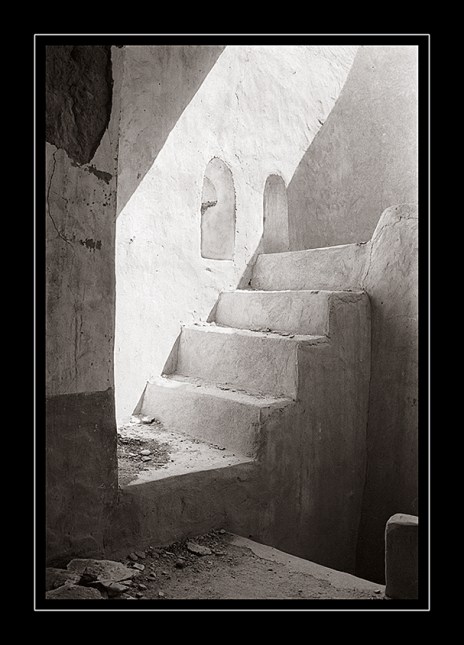
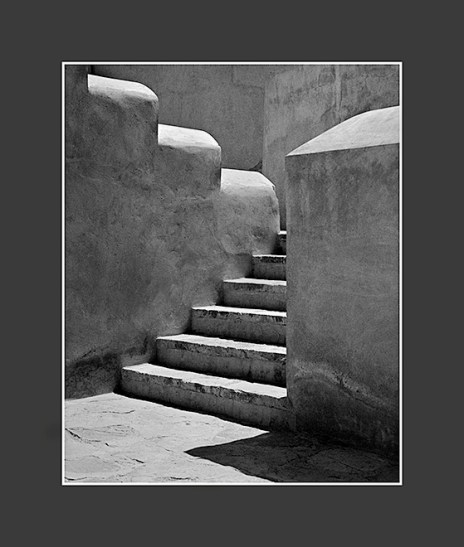 Ilford Multigrade FB gloss (Air Dried) from HP5+ at ISO 320 Nikon F4.
Two prints I am lucky enough to get asked for 🙂

Oman’s historical military arms from Matchlock muskets of Portuguese origin (although some experts now think that many are of European-German origin: open to debate) along with Martini-Henry lever-action types. Combined with muzzle-loading cannon from the Iberian Peninsula and at least one that may have come from the English Commonwealth era, circa 1649 to 1660. Not to mention the vast number of ‘sharp pointy’ weapons; makes Oman a treasure trove for military historians.

 On the above image: note the horse lower left with the classic characteristic of the tail being held high.
From Wikipedia:
Arabians are one of the oldest human-developed horse breeds in the world. The progenitor stock, the Oriental subtype or “Proto-Arabian” was a horse with oriental characteristics similar to the modern Arabian. Horses with these features appeared in rock paintings and inscriptions in the Arabian Peninsula as far back as 2500 BC. In ancient history throughout the Ancient Near East, horses with refined heads and high-carried tails were depicted in artwork, particularly that of Ancient Egypt in the 16th century BC.
 Nikon F4 Nikkor AF D f2.8 20mm
Made at about 9900ft as the sun comes up.
 Yashica 124G – negative slightly cropped.
One thing that can be said about Jebel Shams is that the weather never fails to impress, although getting the right exposure can be a real pain sometimes…. 🙂
I will not go into the scanning problems.
 Juniper – Jebel Shams.


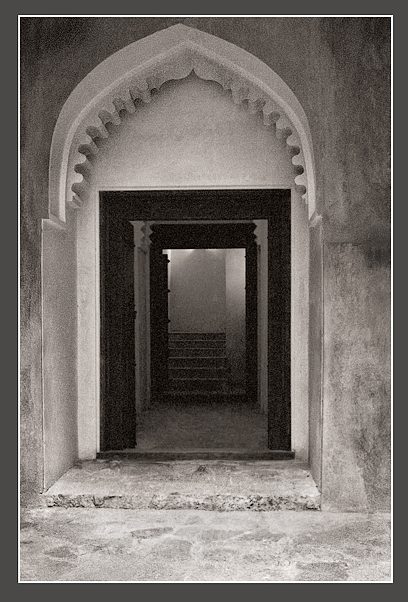 I wanted this to look like some of the old Near East images that I have come across, so I really messed up some Tri-x in old D76 developer.
Nikon F2SB with Nikkor 55mm f2.8 Micro.
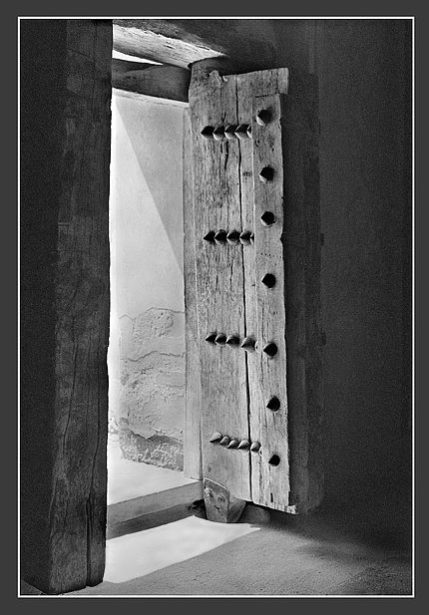 Nikon F2SB with Nikon Nikkor 55mm f2.8 AIs Micro Lens.
 Nikon F4 with 50mm f1.8D - Old style T-max 400 @ 320.
T-Max developer 1+4.
Nikon F4 with 50mm f1.8D - Old style T-max 400 @ 320.
T-Max developer 1+4.

Nikon F4 with 50mm f1.8D - Old style T-max 400 @ 320.

The above image shows what is almost certainly a Wusum found at a number of rock art sites and camping places: it gave the tribe a method of transmitting information about land and animal ownership.
The other interesting feature about the above depiction is the very obvious sign of someone’s attempt at adding their bit to an early image. (In many it is not so obvious and therein shows some of the difficulties ageing this art)
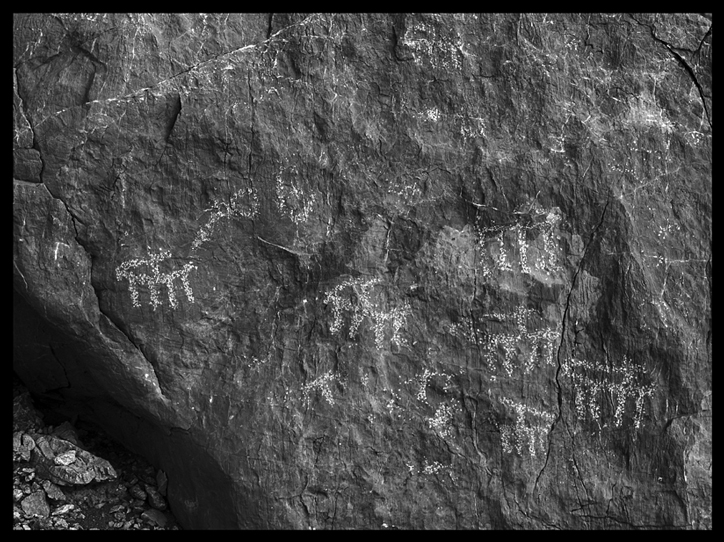
Another difficulty with these images is age, they can be very faint and so extreme side lighting is often required – for that read a ‘early start in the morning’ one thing I am not good at……..!

Old style Kodak T-Max 400 pushed to 1000 in T-Max developer 1+8 (Edit: Just checked my notes as I thought 1+3 was wrong)
Nikon F4 & Tokina 35-70 f2.8 AT-x AIS lens.

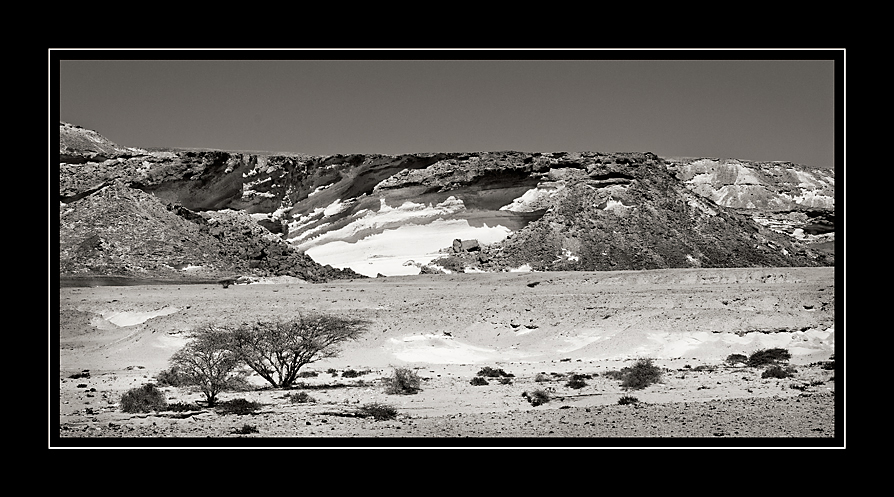
The Huqf.
Nikon D200, AF-D Nikkor 20mm f/2.8 – converted to B & W with CS5 channel mixer.
 David A Lockwood