
I love this film – never get tired of watching it.
I love this film – never get tired of watching it.
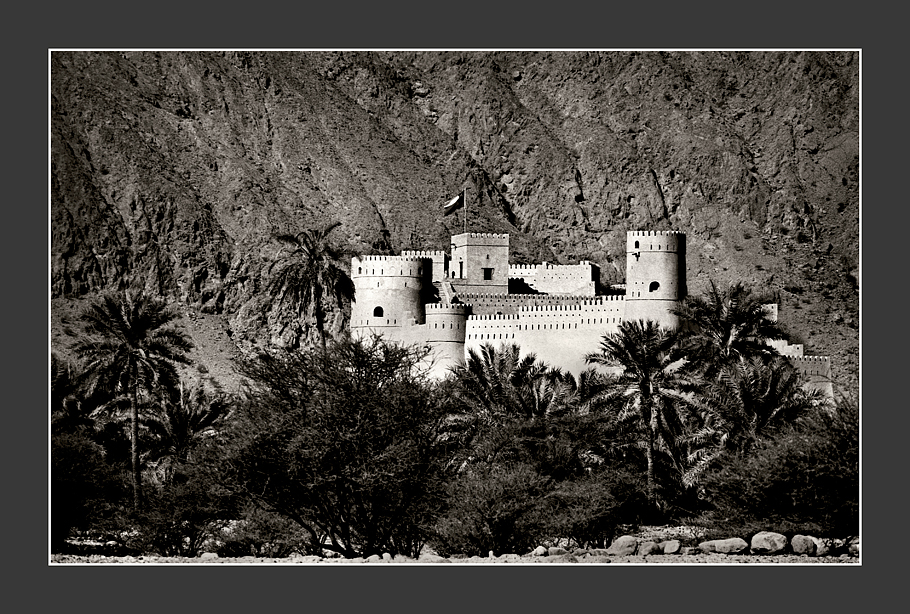 A slight change to the crop & framing from the previous one, I also burned in the fort a little more.
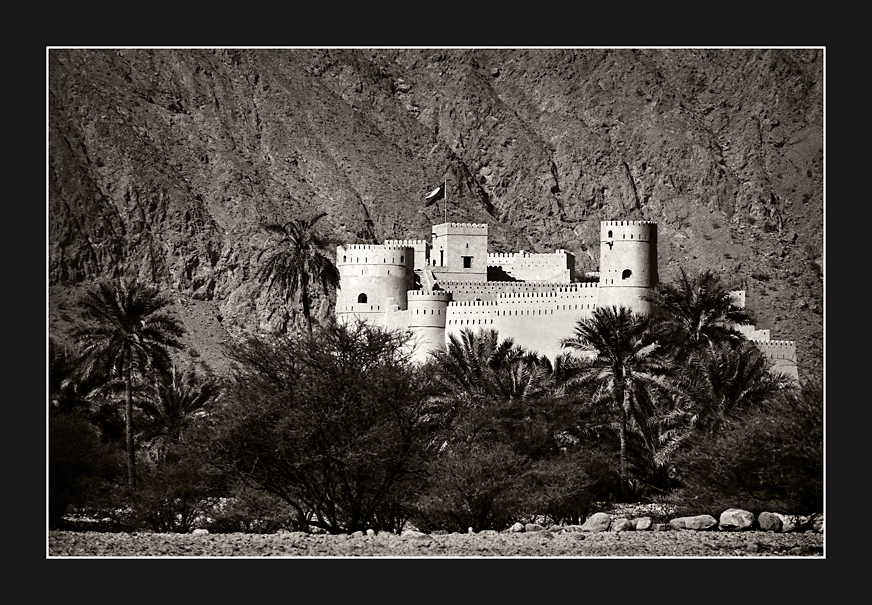
Husn Al Heem (Nakhal Fort)
Nikon F4 & Micro-Nikkor f 4 AI 200 mm lens (That is not a misprint, it functions very well as a telephoto lens as well as a macro) T-max 400 @ 320 in T-max developer 1+4.
Husn Al Heem (Nakhal Fort) The origins of which probably date to pre-Islamic times, the structure being continuously remodelled over the centuries; this included a substantial rebuild in the mid-seventeenth century. The present gateway and towers were apparently added about 1834 during the reign of imam Said bin Sultan.
It would seem debatable when Nakhal (or Nakhl ) had its first fort at this location, but there is growing evidence that there has been some sort of fortified structure on the rocky outcrop for a very long time. So it is not inconceivable that it was strengthened or remodelled during the Ya’aruba Dynasty.
The Ya’aruba Dynasty (1624 – 1744): Ya’aruba Imams introduced a period of renaissance in Oman’s fortunes both at home and abroad, by uniting the country and bringing it a great deal of prosperity. It was under the Ya’aruba dynasty that many of the imposing castles in Oman were built.
This is what some of the fort looked like before the substantial refurbishment was started in about 1990.
 The above is made from a similar position to the one in the previous post – Traditional Omani Fort.
 Unfortunately this has a slight colour cast in the sky: this is an old Kodak C41 negative processed by a local shop as I did not have the means to do it my self in those days. could probably remove in Photoshop but hay-ho……..
I am not sure why there is this desire for what is substantially a rebuild; even if all the materials and building practises follow the old traditional ways. but it does generate a lot of interest from visitors so maybe it is just me.
I tend to think castles should be stabilised and left as they are, such as is the case in the UK with the ones mostly built by that ‘Jumped-up Norman’
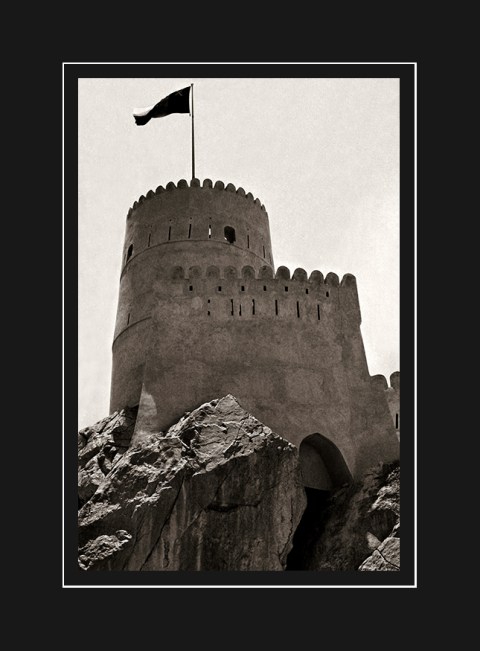 Nikon F4: Ilford Xp2 normal C41 process.
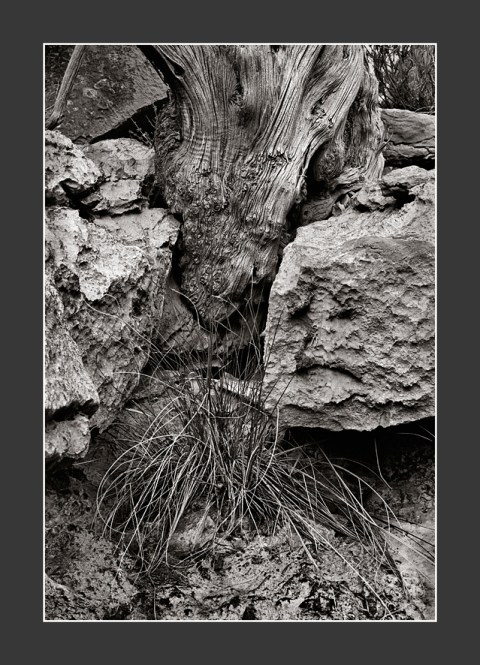 Nikon F4: Kodak Plus-x 125 in T-max 1+4.
Acquainted with the Night
I have been one acquainted with the night.
I have walked out in rain — and back in rain.
I have outwalked the furthest city light.
I have looked down the saddest city lane.
I have passed by the watchman on his beat
And dropped my eyes, unwilling to explain.
I have stood still and stopped the sound of feet
When far away an interrupted cry
Came over houses from another street,
But not to call me back or say good-bye;
And further still at an unearthly height,
A luminary clock against the sky
Proclaimed the time was neither wrong nor right.
I have been one acquainted with the night.
Robert Frost
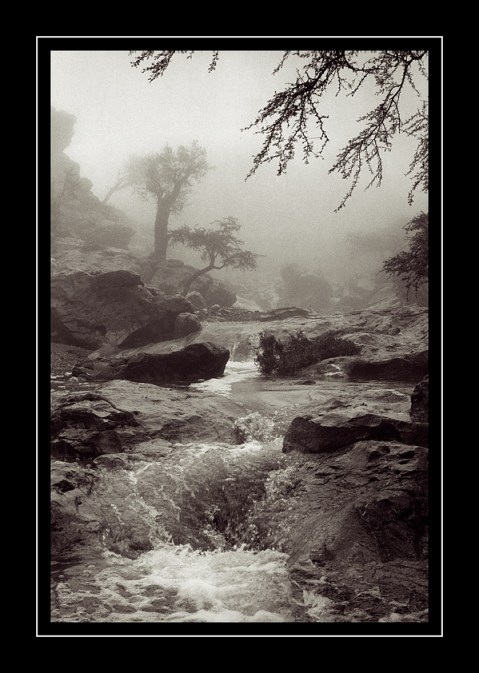 Nikon F4: T-max 400 at 320. Kodak D76 1+1.
You could be forgiven for thinking this was the Yorkshire moors near where I live when in UK; but it was made on a very wet day at Jebel Shams.
I remember, because there had been a rock fall and a late friend of mine suggested we go and see if it was possible for us to depart the mountain. No such luck.
I was now faced with a trip on a helicopter and that is one form of transport I do not like …! well I also include the C130 (if I wanted to fly those I’d have joined the paratroops) but at least I will get on one if needs must .
But a helicopter at 10,000 ft is pushing the limits………
A Saudi Arabia Rock Art information site that I have just been given:
This is an amazingly detailed and informative web-site for anyone interested in rock art and a must see.
Their introduction page says it all.
This Web site is designed to give scientists and the public an opportunity to explore rock art in the remote landscape of Saudi Arabia. Take a tour and learn about the ancient people who carved the petroglyphs and the animals they hunted and herded. We have chosen some exciting imaging techniques to best depict this dramatic art. Some of our Web pages are interactive, allowing you to zoom in on specific figures or navigate around an image (GigaPans), or change the lighting on an image to see more (PTMs).
If you look then I hope you have an hour or two spare…. 🙂
 This was a colour image taken with Nikon D800 50mm f1.8D lens
converted with ‘channel mixer’ in Photoshop.
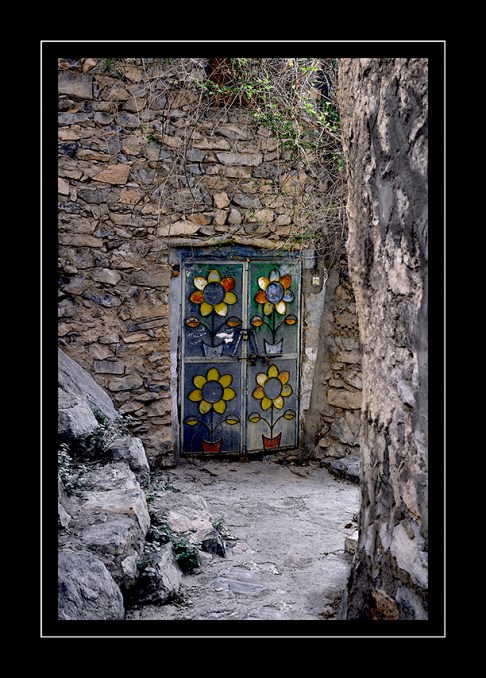 Nikon D800 50mm f1.8D lens.
 Nikon D800 50mm f1.8D lens.
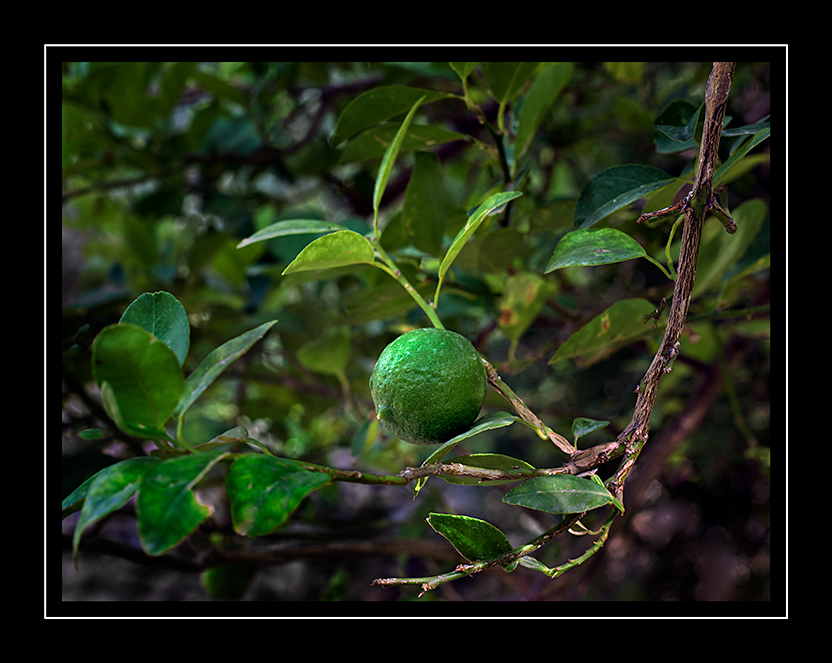 Nikon D800 – 50mm f1.8 D lens.
 Nikon D800 50mm f1.8D lens.
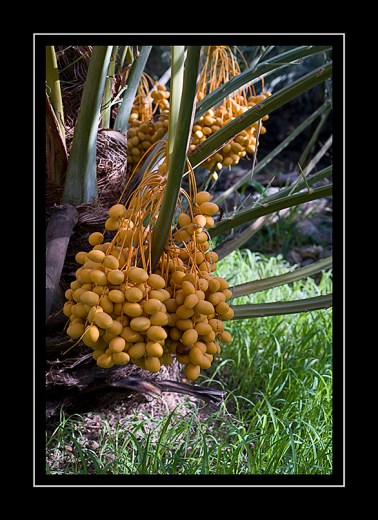
 Nikon D800 50mm f1.8 AF D lens.
Misfat Al Abreen is a traditional mountain village perched on the jebel above Al Hamra on the way to Jebel Shams. When I first visited in about 1986, it was very secluded and certainly didn’t get many, if any visitors from outside the local area.
It has now embraced tourism (all be it in a very limited way) as one can stay in a converted traditional village house. I think it was a case of ‘if you can’t beat them then join them’ which helps with the local economy.
There is an abundance of water which allows the growing of bananas, dates, mango, papaya and vegetables in spite of the dry vegetation elsewhere in the summer months.
Sorry: this is beginning to sound like a tourist guide, but it is such a lovely and welcoming village I needed to say more.
A project this winter is to spend time in the visitors house and take pictures……….
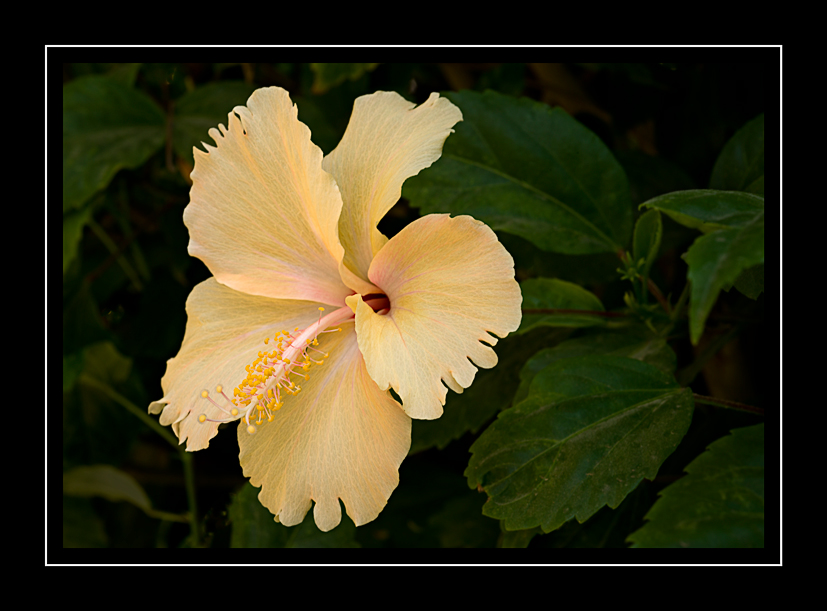 I thought all my flowers would be gone by now, but no…….
I was passing through Nizwa this morning, there was a slight fog and the temperature was 42c !!!
See this weather link. www.wunderground Nizwa weather

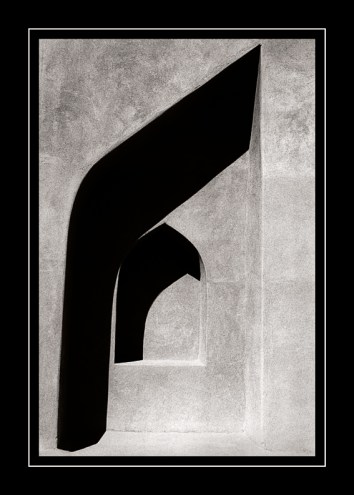 Two more prints that I have been asked for – well what else is one supposed to do when it is in the high 30’s outside. I originally posted these some months back as straight scans .
Printed on:
ILFORD MULTIGRADE IV FB Fiber
With a slight Sepia tone.
For those that might be interested, here are some links to what was probably one of the most heroic battles fought in Oman during recent times – nine men of 22 Squadron SAS fight off an enemy force of over 250 communist insurgents, called the “Adoo”, who attacked the town of Mirbat in southern Oman.
The political consequences of this battle has probably helped to make Oman the modern progressive country it is today
The following SAS soldiers were present at Mirbat on 19th July 1972:
Captain Mike Kealy
Sergeant Talaiasi Labalaba (Killed in action)
Sergeant Bob Bennett
Corporal Roger Cole
Corporal Jeff Taylor (Believed to be an alias)
Lance Corporal Pete Warne
Trooper Sekonaia Takavesi
Trooper Tommy Tobin (Died of wounds)
Austin “Fuzz” Hussey
July 1972, Mirbat Southern Oman, the BATT team of 22 SAS showed courage, tenacity and sheer refusal to give in under the weight of overwhelming forces.
Also look at these links for more information:
Unfortunately I see the videos on YouTube have closed as of 2020. Will see if I can re-establish the links.
 Yashica 124G – made on Ilford Fp4+.
 Bronica S2a with Nikkor – 75mm P f2.8 lens: made on Ilford HP5 +
Cropped and brown toned.
I used a very slight diffusion filter to emphasise the mist and give a slight glow.
As you can see, I am back from holiday and for once the weather in UK was mixed, no change there. Left 300c and with a brief stop in Doha, guess what the early evening temperature was, 310c. But I now see that those temperatures are ‘life threatening’ poor old Brits, always something to worry about. 🙂
Our visit to London went well, although after over 20 years of absence there was some ‘culture shock’ …….! We got given Oyster Cards that are used as pre-payment for travel on the Under Ground (Metro) excellent idea once one knows how to use them. I must get out more often me thinks. 🙄
Saw the ‘Mouse Trap‘ (Agatha Christie) yes I know it has run for many years but if you don’t visit the great metropolis……. Good fun and well worth the visit. In fact played the tourist throughout with a trip to the Tower of London and the British Museum.
One thing I did buy while home was two Op/tech straps for my F2 & F4 those being the heaviest 35mm cameras I have.
Here is a link (Op/Tech) as they are probably the best straps I have ever owned. Being made of neoprene they make a heavy camera instantly feel lighter and very much more comfortable. Not a bad thing when walking in the mountains or just having a camera on the shoulder for several hours
It’s now time to catch-up with all the posts that I have missed while away.
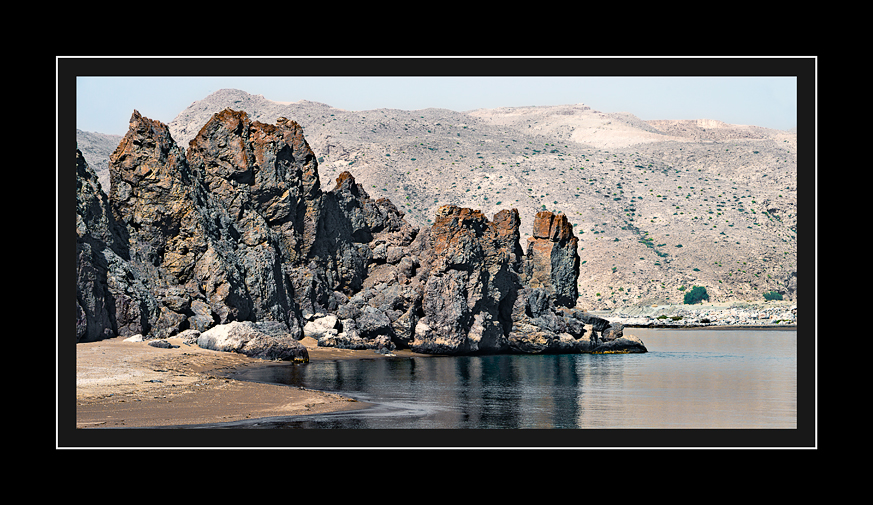

On holiday for a month – if I close my eyes then maybe I can be beamed – up ! holidays are lovely it’s the two flights between that spoil it. These days long haul flights and the airports that go with them are designed to be a terrible experience.
Fortunately I do not need to go anywhere near Heathrow – now that would be punishment…….
I am sure I will have lots of posts to read when I get back, thank you for all the ‘likes & comments’ over the last six months.
David.
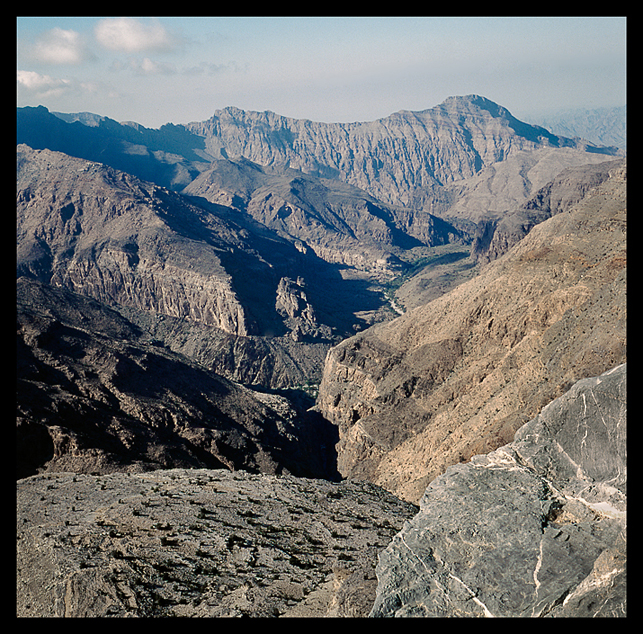 For those interested – this is an indication of the different topography that can be seen when getting up high in the mountains. Made from about 7500ft – note the wadi winding through the valley.
From Wiki:
The Hajar Mountains in north-eastern Oman and also the eastern United Arab Emirates are the highest mountain range in the eastern Arabian Peninsula. They separate the low coastal plain of Oman from the high desert plateau, and lie 50–100 km inland from the Gulf of Oman coast.
The mountains begin in the north, forming the Musandam peninsula. From there, the Northern Hajjar (Hajjar al Gharbi) runs southeast, parallel to the coast but moving gradually further away as it goes.
 David A Lockwood